THE ADVENTURE COLLECTIVE® · Independent discovery and booking for outdoor travel

A two-week journey that links Peru’s Inca heartland with Bolivia’s otherworldly salt flats. Expect archaeological giants, desert coasts, high Andean wetlands and significant altitude transitions.
A two-week journey that links Peru’s Inca heartland with Bolivia’s otherworldly salt flats. Expect archaeological giants, desert coasts, high Andean wetlands and significant altitude transitions.
You step off the early-morning flight into Cusco’s thin air or watch pink flamingos mirror themselves in a crater lake at sunset — this itinerary stitches together two countries’ highland dramas into a single, continuous adventure. From colonial Lima’s baroque churches to the wind-swept white plain of Uyuni, the landscape keeps changing like chapters in a field guide.
Verified experiences and guided adventures in the surrounding area.
Operated by Grand America · Lima, Lima
You step off the early-morning flight into Cusco’s thin air or watch pink flamingos mirror themselves in a crater lake at sunset — this itinerary stitches together two countries’ highland dramas into a single, continuous adventure. From colonial Lima’s baroque churches to the wind-swept white plain of Uyuni, the landscape keeps changing like chapters in a field guide.
The route threads through ancient Andean engineering — the Nasca aqueducts, Inca terraces at Moray, and the stonework of Ollantaytambo — then climbs to sacred peaks: Machu Picchu’s solar temples at 2,430 m and Vinicunca’s colorful strata above 5,000 m. Geology and climate explain the scenery: coastal fog and desert in Paracas, flaking salt crusts and high-altitude lagunas in southwest Bolivia, and glaciated ridgelines where puna grass gives way to rocks.
Culturally the tour balances living communities and archaeological sites: Taquile’s textiles, Chinchero weaving, and small highland markets reveal continuity of Andean lifeways. Wildlife appears in specific moments — sea lions and Humboldt penguins around Ballestas, vicuñas and viscachas on altiplano salt flats.
Practical guidance: this is a high-altitude, logistics-heavy program — acclimatize in Cusco and pace yourself, carry layers and hydration systems, and expect long bus transfers and early departures. Bring altitude meds if you react easily; pack sun protection and sturdy footwear for short hikes and uneven salt surfaces. With planning and respect for altitude, the trip delivers immersive natural spectacles and archaeological highlights across Peru and Bolivia.
Visa requirements depend on your nationality; confirm entry rules and carry your passport — the tour requires travelers to manage visas before border crossings.
Altitude effects vary; many sites exceed 3,500 m and Vinicunca reaches ~5,200 m — acclimatization, hydration, slow pace and medical advice are important.
The itinerary includes panoramic (Vistadome) train segments and entrance fees as listed, but verify specific inclusions at booking and reserve permits early in peak season.
Yes—but weather and road conditions vary by season; rainy months affect mountain visibility and high-altitude roads, while dry season offers clearer skies.
Grand America operates guided outdoor trips and adventures with an emphasis on safety, stewardship, and memorable experiences.
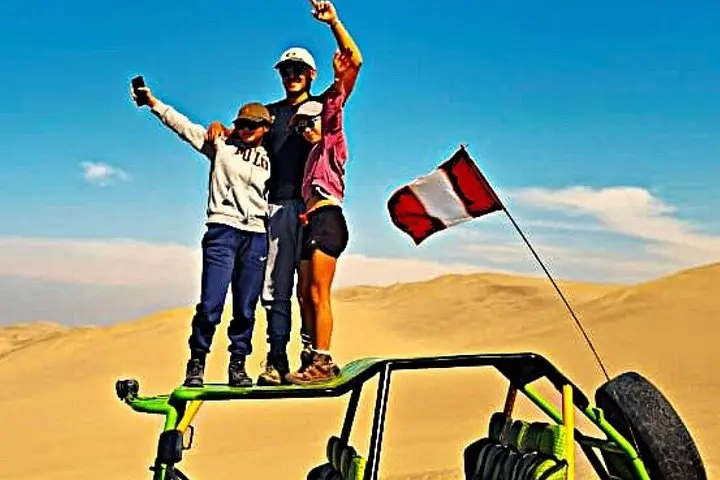
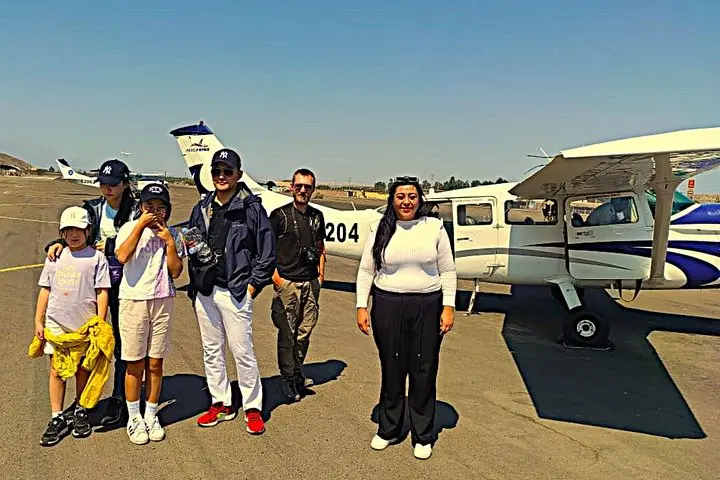
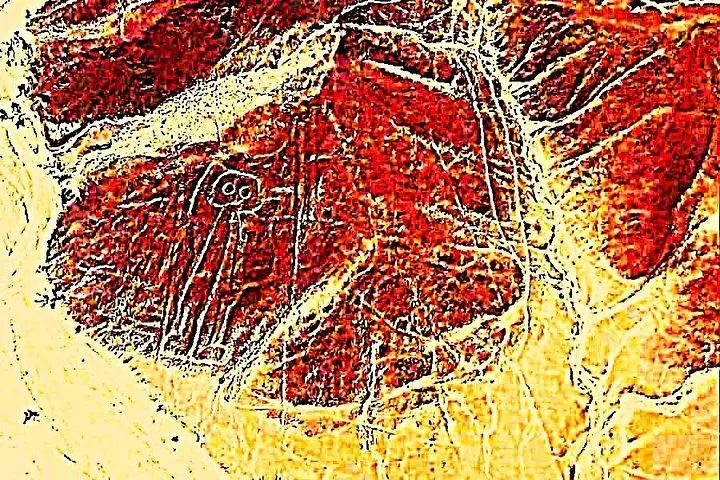
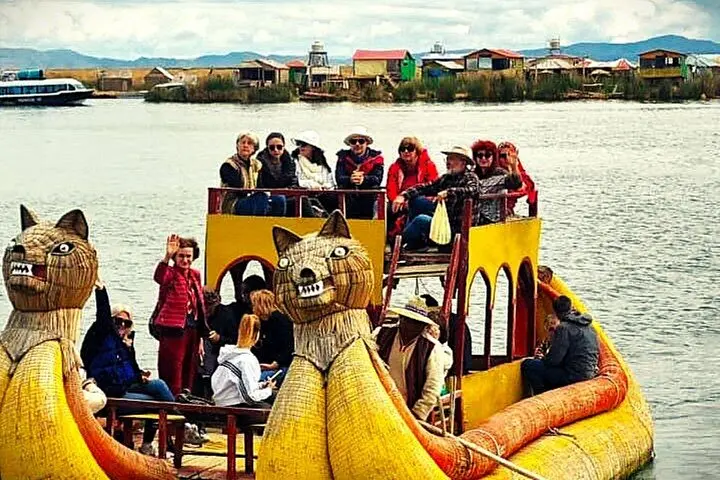
You step off the early-morning flight into Cusco’s thin air or watch pink flamingos mirror themselves in a crater lake at sunset — this itinerary stitches together two countries’ highland dramas into a single, continuous adventure. From colonial Lima’s baroque churches to the wind-swept white plain of Uyuni, the landscape keeps changing like chapters in a field guide.
You step off the early-morning flight into Cusco’s thin air or watch pink flamingos mirror themselves in a crater lake at sunset — this itinerary stitches together two countries’ highland dramas into a single, continuous adventure. From colonial Lima’s baroque churches to the wind-swept white plain of Uyuni, the landscape keeps changing like chapters in a field guide.
The route threads through ancient Andean engineering — the Nasca aqueducts, Inca terraces at Moray, and the stonework of Ollantaytambo — then climbs to sacred peaks: Machu Picchu’s solar temples at 2,430 m and Vinicunca’s colorful strata above 5,000 m. Geology and climate explain the scenery: coastal fog and desert in Paracas, flaking salt crusts and high-altitude lagunas in southwest Bolivia, and glaciated ridgelines where puna grass gives way to rocks.
Culturally the tour balances living communities and archaeological sites: Taquile’s textiles, Chinchero weaving, and small highland markets reveal continuity of Andean lifeways. Wildlife appears in specific moments — sea lions and Humboldt penguins around Ballestas, vicuñas and viscachas on altiplano salt flats.
Practical guidance: this is a high-altitude, logistics-heavy program — acclimatize in Cusco and pace yourself, carry layers and hydration systems, and expect long bus transfers and early departures. Bring altitude meds if you react easily; pack sun protection and sturdy footwear for short hikes and uneven salt surfaces. With planning and respect for altitude, the trip delivers immersive natural spectacles and archaeological highlights across Peru and Bolivia.