THE ADVENTURE COLLECTIVE® · Independent discovery and booking for outdoor travel

Ten days across Peru compress diverse Andes landscapes into a single itinerary: colonial Arequipa, Colca Canyon condors, Lake Titicaca homestays, the Sacred Valley and Machu Picchu. This guide outlines what to expect physically and culturally on the route.
Ten days across Peru compress diverse Andes landscapes into a single itinerary: colonial Arequipa, Colca Canyon condors, Lake Titicaca homestays, the Sacred Valley and Machu Picchu. This guide outlines what to expect physically and culturally on the route.
Early morning fog lifts off the Pacific as the tour begins in Lima, then the group moves inland through volcanic highlands and salt flats, a string of landscapes that push and pull at the senses. Travelers find themselves trading ocean breeze for thin, dry air as the itinerary climbs to plateaus above 3,800 meters where condors ride thermal drafts and alpacas crop on the puna.
Verified experiences and guided adventures in the surrounding area.
Operated by AMERICAN TRAVEL PERU · Cusco, Cusco
Early morning fog lifts off the Pacific as the tour begins in Lima, then the group moves inland through volcanic highlands and salt flats, a string of landscapes that push and pull at the senses. Travelers find themselves trading ocean breeze for thin, dry air as the itinerary climbs to plateaus above 3,800 meters where condors ride thermal drafts and alpacas crop on the puna.
The route follows roads shaped by geology and empire. Arequipa’s white volcanic sillar recalls Spanish colonial stonework carved from nearby volcanoes. Colca Canyon reveals a slice through the Andes where rivers have gouged one of the planet’s deepest chasms. Lake Titicaca—high, expansive, and culturally dense—hosts Uros reed islands and Taquile’s cooperative-weaving villages, living links to pre-Hispanic lifeways.
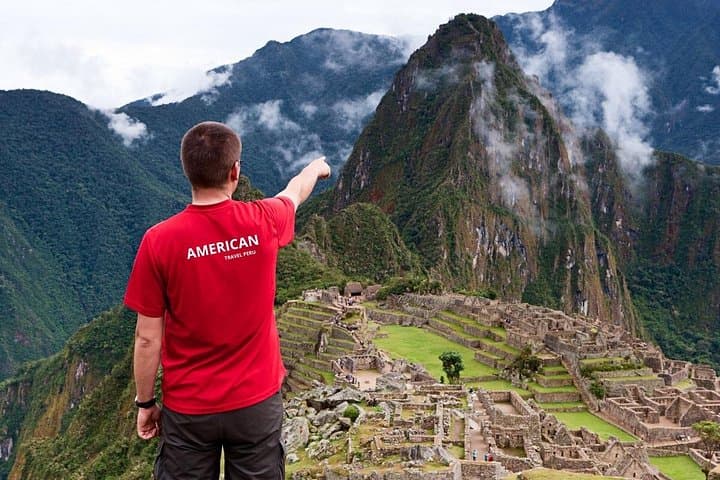
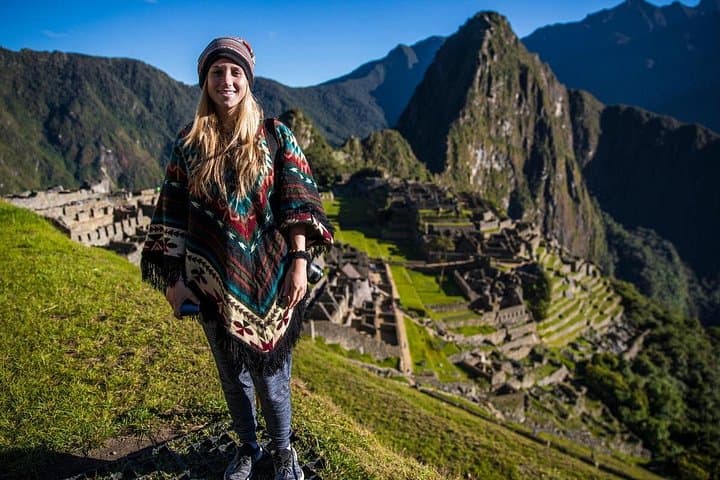
Cusco and the Sacred Valley sit atop Inca planning: terraces, irrigation lines and hilltop fortresses that read like a map of social engineering. Machu Picchu appears as a disciplined assembly of masonry and microclimates, an engineered place that rewards patient observation.
Practically, expect long travel days, guided site entries, a homestay on Amantani and moderate hikes like Vinicunca where steep trails and altitude demand pacing. Carry layers for sun and wind, hydrate deliberately, and allow two days of gentle activity on arrival to adjust. Footwear with ankle support and a small daypack will matter more than guidebook gear; the trip trades extreme technicality for sustained altitude and cultural immersion.
Yes—many stops exceed 3,800 m. Drink water, avoid alcohol, eat lightly on arrival and report symptoms early; guides can advise and adjust activities.
The citadel has uneven stone surfaces and stairs; limited-mobility travelers may use buses to the site but should expect restricted access to some areas.
Most breakfasts and lunches are included per the itinerary; some dinners and personal expenses are not covered—check the daily inclusions.
Trains have luggage limits; pack a smaller overnight bag for the Machu Picchu segment and confirm size limits with the operator.
AMERICAN TRAVEL PERU operates guided outdoor trips and adventures with an emphasis on safety, stewardship, and memorable experiences.

Early morning fog lifts off the Pacific as the tour begins in Lima, then the group moves inland through volcanic highlands and salt flats, a string of landscapes that push and pull at the senses. Travelers find themselves trading ocean breeze for thin, dry air as the itinerary climbs to plateaus above 3,800 meters where condors ride thermal drafts and alpacas crop on the puna.
Early morning fog lifts off the Pacific as the tour begins in Lima, then the group moves inland through volcanic highlands and salt flats, a string of landscapes that push and pull at the senses. Travelers find themselves trading ocean breeze for thin, dry air as the itinerary climbs to plateaus above 3,800 meters where condors ride thermal drafts and alpacas crop on the puna.
The route follows roads shaped by geology and empire. Arequipa’s white volcanic sillar recalls Spanish colonial stonework carved from nearby volcanoes. Colca Canyon reveals a slice through the Andes where rivers have gouged one of the planet’s deepest chasms. Lake Titicaca—high, expansive, and culturally dense—hosts Uros reed islands and Taquile’s cooperative-weaving villages, living links to pre-Hispanic lifeways.
Cusco and the Sacred Valley sit atop Inca planning: terraces, irrigation lines and hilltop fortresses that read like a map of social engineering. Machu Picchu appears as a disciplined assembly of masonry and microclimates, an engineered place that rewards patient observation.
Practically, expect long travel days, guided site entries, a homestay on Amantani and moderate hikes like Vinicunca where steep trails and altitude demand pacing. Carry layers for sun and wind, hydrate deliberately, and allow two days of gentle activity on arrival to adjust. Footwear with ankle support and a small daypack will matter more than guidebook gear; the trip trades extreme technicality for sustained altitude and cultural immersion.