THE ADVENTURE COLLECTIVE® · Independent discovery and booking for outdoor travel

A full-day, guided trip from Aqaba that reaches Petra’s iconic highlights in about three hours on-site. Expect the Siq, the Treasury, Roman theater and carved tombs, with transport, lunch and an English guide included.
A full-day, guided trip from Aqaba that reaches Petra’s iconic highlights in about three hours on-site. Expect the Siq, the Treasury, Roman theater and carved tombs, with transport, lunch and an English guide included.
You round a low limestone ridge before the valley opens and the Siq’s narrow throat appears — a ribbon of shadow cut through sandstone where light and time have carved a city. Walking the roughly 1.2 km Siq toward the Treasury, the rock changes color with every step: ochre, rust and the deep pink that gave Petra its modern nickname. The first reveal is sudden and electric; the Treasury’s carved façade holds a crowd of shutter-clicking visitors and the slow swirl of local Bedouin offering brief guided insight and mule or carriage rides.
Verified experiences and guided adventures in the surrounding area.
Operated by Aqaba Moments Travel · Wadi Musa, Ma'an Governorate
You round a low limestone ridge before the valley opens and the Siq’s narrow throat appears — a ribbon of shadow cut through sandstone where light and time have carved a city. Walking the roughly 1.2 km Siq toward the Treasury, the rock changes color with every step: ochre, rust and the deep pink that gave Petra its modern nickname. The first reveal is sudden and electric; the Treasury’s carved façade holds a crowd of shutter-clicking visitors and the slow swirl of local Bedouin offering brief guided insight and mule or carriage rides.
Petra sits at about 800–900 m above sea level and was the Nabataean capital from the 4th century BCE, later modified by Roman builders who added a theater and colonnaded streets. Geology explains the showmanship — wind and water sculpted sandstone cliffs into narrow gorges, towering tombs and intricately carved facades. Culturally, the site still carries Bedouin presence and local crafts sold near the entrance.
On a six-hour day tour from Aqaba you can expect hotel pickup, an English-speaking guide, air-conditioned transport and a one-day entrance ticket, with roughly three hours to visit the main sights: the Siq, Treasury, Roman theater and nearby tombs. Terrain is mostly packed stone and occasional steep steps; expect uneven ground and short climbs.
Practical guidance: wear supportive shoes, bring 2–3 liters of water, sun protection and some local currency for tips or a short donkey ride. Start early to beat heat and crowds; if you want the Monastery, plan an overnight stay in Wadi Musa—three hours in Petra focuses on the highlights.
Yes — the tour includes hotel pickup and drop-off in Aqaba with air-conditioned transport.
The itinerary provides roughly three hours inside Petra, sufficient for the Siq, Treasury, theater and nearby tombs but not for distant sites like the Monastery.
The tour listing indicates accessibility and some flat areas and services are accessible, but many trails include uneven stone and steps; travelers with mobility concerns should contact the operator for specific accommodations.
Short horse or carriage rides are commonly offered by local providers at additional cost; consider the animals’ welfare and negotiate price beforehand.
Aqaba Moments Travel operates guided outdoor trips and adventures with an emphasis on safety, stewardship, and memorable experiences.
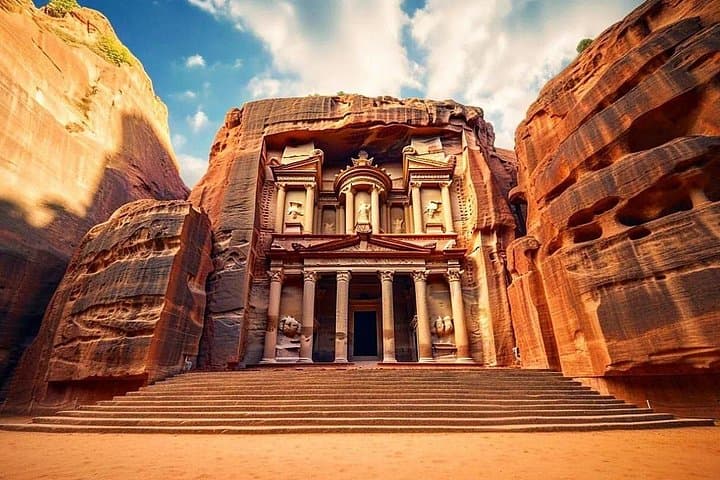


You round a low limestone ridge before the valley opens and the Siq’s narrow throat appears — a ribbon of shadow cut through sandstone where light and time have carved a city. Walking the roughly 1.2 km Siq toward the Treasury, the rock changes color with every step: ochre, rust and the deep pink that gave Petra its modern nickname. The first reveal is sudden and electric; the Treasury’s carved façade holds a crowd of shutter-clicking visitors and the slow swirl of local Bedouin offering brief guided insight and mule or carriage rides.
You round a low limestone ridge before the valley opens and the Siq’s narrow throat appears — a ribbon of shadow cut through sandstone where light and time have carved a city. Walking the roughly 1.2 km Siq toward the Treasury, the rock changes color with every step: ochre, rust and the deep pink that gave Petra its modern nickname. The first reveal is sudden and electric; the Treasury’s carved façade holds a crowd of shutter-clicking visitors and the slow swirl of local Bedouin offering brief guided insight and mule or carriage rides.
Petra sits at about 800–900 m above sea level and was the Nabataean capital from the 4th century BCE, later modified by Roman builders who added a theater and colonnaded streets. Geology explains the showmanship — wind and water sculpted sandstone cliffs into narrow gorges, towering tombs and intricately carved facades. Culturally, the site still carries Bedouin presence and local crafts sold near the entrance.
On a six-hour day tour from Aqaba you can expect hotel pickup, an English-speaking guide, air-conditioned transport and a one-day entrance ticket, with roughly three hours to visit the main sights: the Siq, Treasury, Roman theater and nearby tombs. Terrain is mostly packed stone and occasional steep steps; expect uneven ground and short climbs.
Practical guidance: wear supportive shoes, bring 2–3 liters of water, sun protection and some local currency for tips or a short donkey ride. Start early to beat heat and crowds; if you want the Monastery, plan an overnight stay in Wadi Musa—three hours in Petra focuses on the highlights.