THE ADVENTURE COLLECTIVE® · Independent discovery and booking for outdoor travel

Cross the Red Sea by ferry then follow the rose-red canyon into Petra’s carved heart. This long day trip from Sharm El Sheikh combines a scenic boat crossing with a guided walk through the Siq to the iconic Treasury.
Cross the Red Sea by ferry then follow the rose-red canyon into Petra’s carved heart. This long day trip from Sharm El Sheikh combines a scenic boat crossing with a guided walk through the Siq to the iconic Treasury.
Before the sun clears the Red Sea horizon you’re already moving: a modern air-conditioned van slips out of Sharm El Sheikh toward the Taba ferry terminal, the road cutting across ochre desert that seems to push travelers forward.
Verified experiences and guided adventures in the surrounding area.
Operated by This is Egypt Tours · Wadi Musa, Ma'an Governorate
Before the sun clears the Red Sea horizon you’re already moving: a modern air-conditioned van slips out of Sharm El Sheikh toward the Taba ferry terminal, the road cutting across ochre desert that seems to push travelers forward.
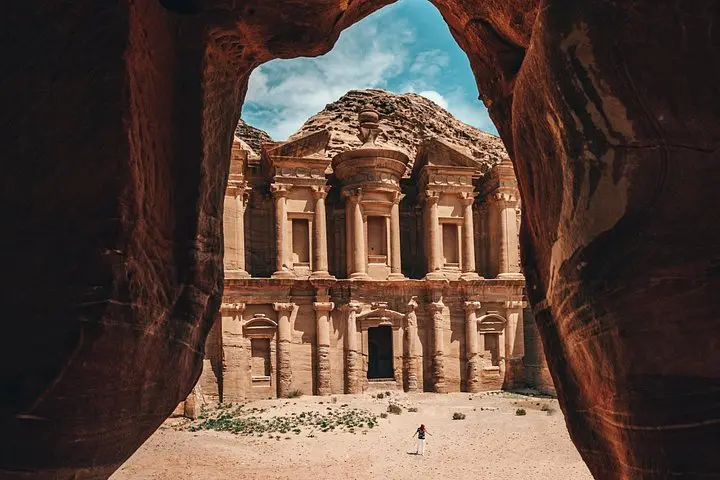
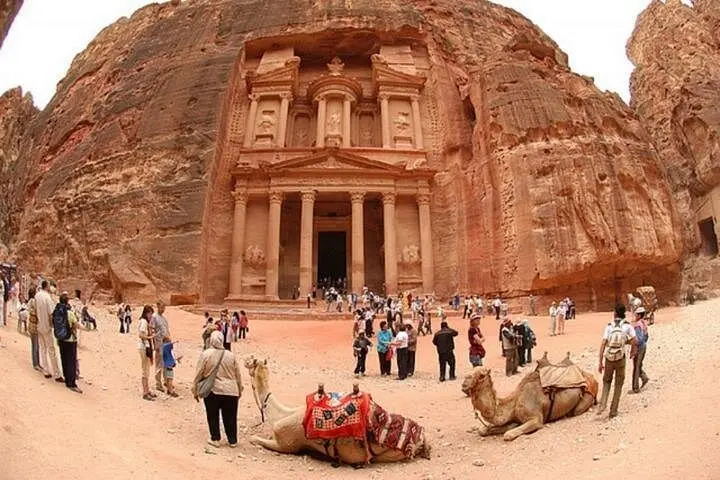
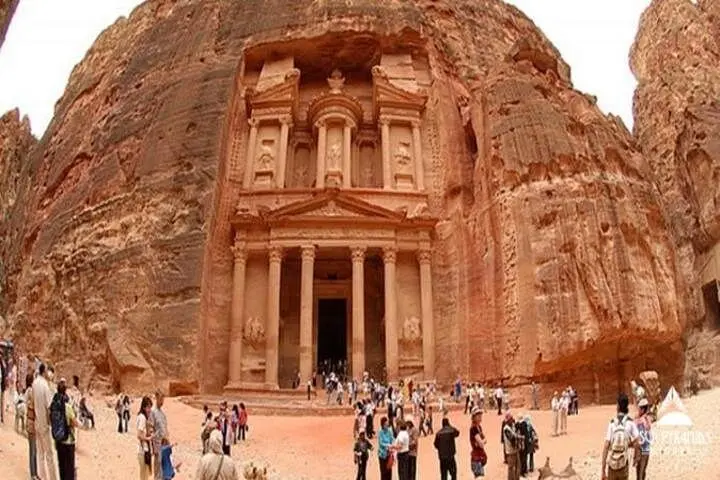
By midmorning the boat eases into Aqaba and the landscape changes from coastal flat to rust-red cliffs. Petra arrives as a carved city and a theatrical reveal: a horse ride into the Siq, a 1.2 km natural crack in the sandstone that funnels you toward Al-Khazneh — the Treasury — basking in angled light that highlights two millennia of craftsmanship.
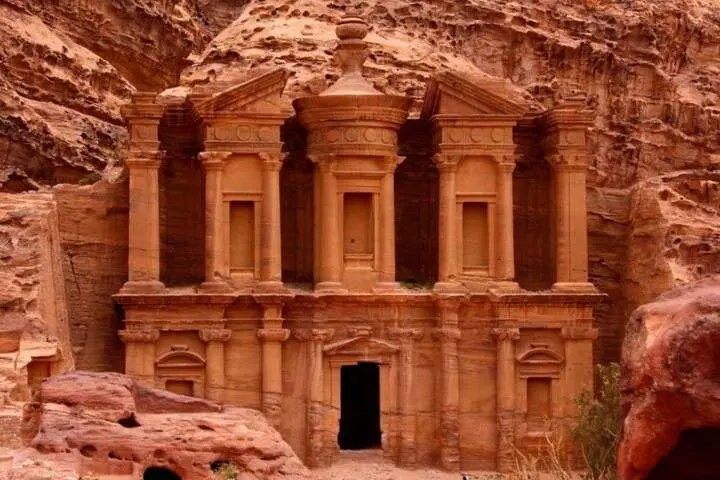
Petra was the Nabataean capital, carved from sandstone with façades, tombs and a Roman colonnaded street layered into a canyon-scoured landscape. The geology is honest: soft, stratified sandstone that glows pink, orange and deep red, weathered into grooves, niches and sculpted facades. Local Bedouin culture meets modern tourism in small cafés and lunch spots nearby; expect simple Jordanian fare and friendly service.
Practical edge: this is a long, full-day excursion (roughly 18 hours door-to-door) with border crossings by ferry; the operator includes the Jordan visa, ferry tickets, Petra entrance and lunch. Wear sturdy shoes for uneven rock and steps, carry 2–3 liters of water, and plan for sun—shade is limited. If mobility is a concern, parts of the site are accessible, but many highlights require walking or short horseback rides through uneven ground. Early starts and a steady pace let you see the Treasury, Street of Facades, Royal Tombs and portions of the trail toward the Monastery without rushing.
Expect about 3.5 hours by road to Taba, a short ferry crossing to Aqaba, then a full day in Petra—roughly 18 hours door-to-door for the full excursion.
This tour includes the Jordan entry visa, Petra entrance fees, and ferry tickets between Taba and Aqaba as listed in the inclusions.
Some areas are wheelchair accessible, but many highlights require walking on uneven surfaces or short horseback rides; contact the operator for specific accessibility options.
Lunch is included, but bring small cash (Jordanian dinars) for tips, snacks, souvenirs, and any optional services.
This is Egypt Tours operates guided outdoor trips and adventures with an emphasis on safety, stewardship, and memorable experiences.
Before the sun clears the Red Sea horizon you’re already moving: a modern air-conditioned van slips out of Sharm El Sheikh toward the Taba ferry terminal, the road cutting across ochre desert that seems to push travelers forward.
Before the sun clears the Red Sea horizon you’re already moving: a modern air-conditioned van slips out of Sharm El Sheikh toward the Taba ferry terminal, the road cutting across ochre desert that seems to push travelers forward.
By midmorning the boat eases into Aqaba and the landscape changes from coastal flat to rust-red cliffs. Petra arrives as a carved city and a theatrical reveal: a horse ride into the Siq, a 1.2 km natural crack in the sandstone that funnels you toward Al-Khazneh — the Treasury — basking in angled light that highlights two millennia of craftsmanship.
Petra was the Nabataean capital, carved from sandstone with façades, tombs and a Roman colonnaded street layered into a canyon-scoured landscape. The geology is honest: soft, stratified sandstone that glows pink, orange and deep red, weathered into grooves, niches and sculpted facades. Local Bedouin culture meets modern tourism in small cafés and lunch spots nearby; expect simple Jordanian fare and friendly service.
Practical edge: this is a long, full-day excursion (roughly 18 hours door-to-door) with border crossings by ferry; the operator includes the Jordan visa, ferry tickets, Petra entrance and lunch. Wear sturdy shoes for uneven rock and steps, carry 2–3 liters of water, and plan for sun—shade is limited. If mobility is a concern, parts of the site are accessible, but many highlights require walking or short horseback rides through uneven ground. Early starts and a steady pace let you see the Treasury, Street of Facades, Royal Tombs and portions of the trail toward the Monastery without rushing.