THE ADVENTURE COLLECTIVE® · Independent discovery and booking for outdoor travel

Walk the Siq and witness the Great Treasury rise from rose-red stone on a full-day Petra excursion from Sharm El Sheikh that crosses the Gulf of Aqaba. Expect long walks on uneven sandstone, dramatic viewpoints, and practical border formalities between Egypt and Jordan.
Walk the Siq and witness the Great Treasury rise from rose-red stone on a full-day Petra excursion from Sharm El Sheikh that crosses the Gulf of Aqaba. Expect long walks on uneven sandstone, dramatic viewpoints, and practical border formalities between Egypt and Jordan.
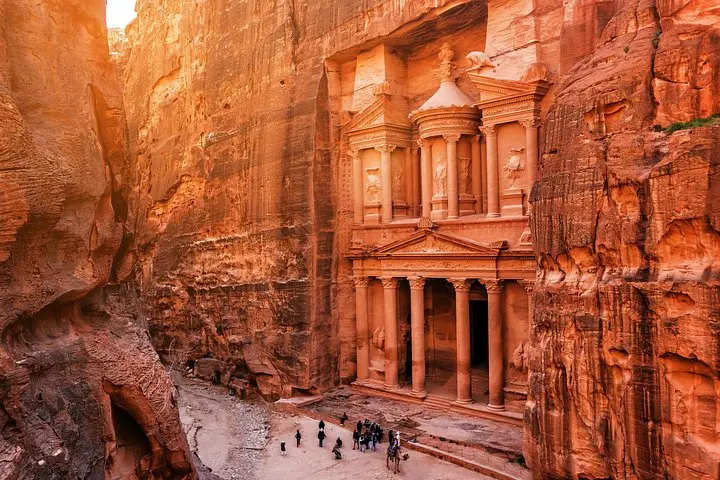
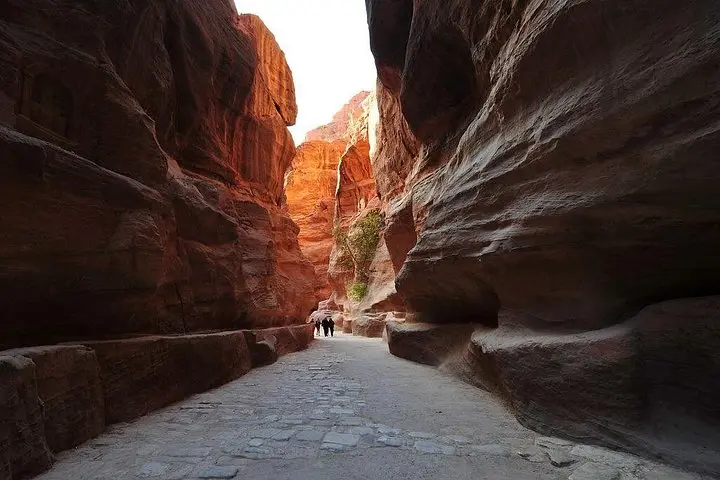
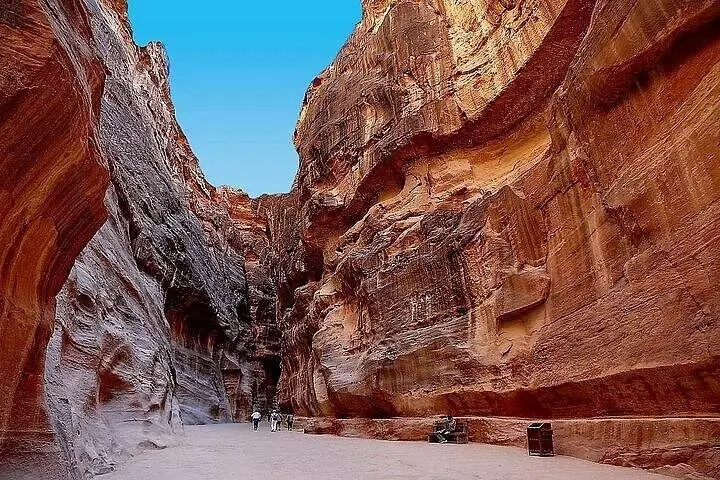
You enter Petra the way many travelers do: through a cool, narrowing throat of sandstone. The Siq funnels you past sheer walls that glow warm as the sun climbs, and then the Great Treasury steps into view—stone facades carved with the precision of an ancient city that still feels alive.
Verified experiences and guided adventures in the surrounding area.
Operated by Stepway Tours · Wadi Musa, Ma'an Governorate
You enter Petra the way many travelers do: through a cool, narrowing throat of sandstone. The Siq funnels you past sheer walls that glow warm as the sun climbs, and then the Great Treasury steps into view—stone facades carved with the precision of an ancient city that still feels alive.
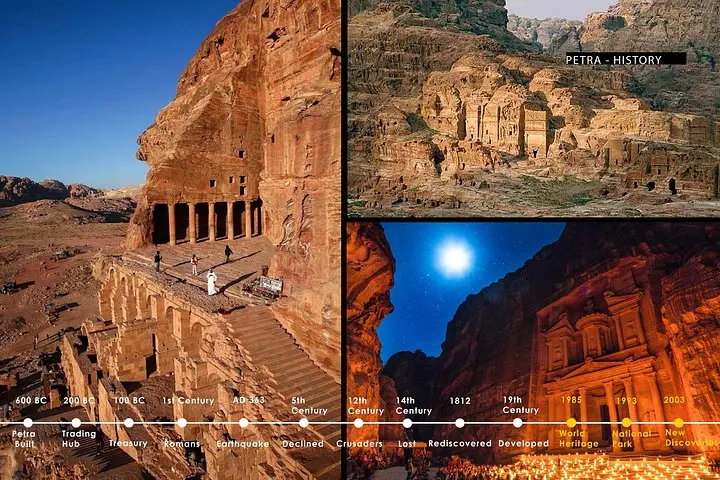
Petra was the economic and cultural heart of the Nabataeans from about the 4th century BCE, carved into Cambrian sandstone that shifts from ochre to deep red as light changes. The Roman theatre and Royal Tombs speak to successive layers of occupation; the Byzantine church mosaics nearby hint at later community life. Geologically, the slot canyons and tafoni weathering here are prime examples of wind-and-water sculpted sandstone—bright bands and unexpected hollows that reward close inspection.
Locals in Wadi Musa keep Petra’s rhythms: early morning arrivals, midday siesta, and sellers waiting near the main drag. Visit Al-Habis hill for a broad sweep of gullies and colored strata that photographers prize, and duck into quieter side passages where birds and rock hyrax claim ledges.
Practical notes: expect several kilometers on uneven packed-sand and stone; many sections are flat but some climbs (to the Monastery or viewpoints) are steep and unshaded. Bring sun protection, a full water bottle, and comfortable, grippy shoes. Start early to avoid crowds and midday heat; guides can streamline access and point out architectural details easily missed. Border formalities at Aqaba/Taba require your passport—keep it handy. With planning, a day trip from Sharm El Sheikh becomes a long, concentrated immersion in one of the Levant’s most compelling open-air sites.
Visa requirements depend on your nationality; some travelers can obtain a Jordanian visa on arrival at Aqaba, but check current regulations and ensure passport validity before travel.
Expect several kilometers of walking on uneven surfaces; the main Siq to the Treasury is relatively flat, but optional climbs (e.g., the Monastery) add steep, sustained steps.
This tour lists entrance fees as included, but confirm at booking whether the Petra site fee and any border crossing fees are covered.
Petra can be visited by most ages, but families and older travelers should plan slower paces, frequent rests, and avoid long climbs if mobility is limited.
Stepway Tours operates guided outdoor trips and adventures with an emphasis on safety, stewardship, and memorable experiences.
You enter Petra the way many travelers do: through a cool, narrowing throat of sandstone. The Siq funnels you past sheer walls that glow warm as the sun climbs, and then the Great Treasury steps into view—stone facades carved with the precision of an ancient city that still feels alive.
You enter Petra the way many travelers do: through a cool, narrowing throat of sandstone. The Siq funnels you past sheer walls that glow warm as the sun climbs, and then the Great Treasury steps into view—stone facades carved with the precision of an ancient city that still feels alive.
Petra was the economic and cultural heart of the Nabataeans from about the 4th century BCE, carved into Cambrian sandstone that shifts from ochre to deep red as light changes. The Roman theatre and Royal Tombs speak to successive layers of occupation; the Byzantine church mosaics nearby hint at later community life. Geologically, the slot canyons and tafoni weathering here are prime examples of wind-and-water sculpted sandstone—bright bands and unexpected hollows that reward close inspection.
Locals in Wadi Musa keep Petra’s rhythms: early morning arrivals, midday siesta, and sellers waiting near the main drag. Visit Al-Habis hill for a broad sweep of gullies and colored strata that photographers prize, and duck into quieter side passages where birds and rock hyrax claim ledges.
Practical notes: expect several kilometers on uneven packed-sand and stone; many sections are flat but some climbs (to the Monastery or viewpoints) are steep and unshaded. Bring sun protection, a full water bottle, and comfortable, grippy shoes. Start early to avoid crowds and midday heat; guides can streamline access and point out architectural details easily missed. Border formalities at Aqaba/Taba require your passport—keep it handy. With planning, a day trip from Sharm El Sheikh becomes a long, concentrated immersion in one of the Levant’s most compelling open-air sites.