THE ADVENTURE COLLECTIVE® · Independent discovery and booking for outdoor travel

Join a scientist-led walk that translates Petralona’s stones and fossils into readable clues about human prehistory, climate shifts and karst geology. Practical, evidence-driven, and suitable for most fitness levels, this two-hour tour pairs field talk with a museum- and cave-focused visit.
Join a scientist-led walk that translates Petralona’s stones and fossils into readable clues about human prehistory, climate shifts and karst geology. Practical, evidence-driven, and suitable for most fitness levels, this two-hour tour pairs field talk with a museum- and cave-focused visit.
A cool sea breeze carries limestone dust and pine resin as the group assembles at the foot of the Petralona ridge. The guide — an environmental scientist — opens with a concise, evidence-driven talk that primes visitors to read the landscape: strata, stalactites, fossil fragments and the cave’s faint, echoing draughts. Nature here seems to deliberate, a slow actor shaping stone and life.
Verified experiences and guided adventures in the surrounding area.
Operated by Viosfera · Petralona, Halkidiki
A cool sea breeze carries limestone dust and pine resin as the group assembles at the foot of the Petralona ridge. The guide — an environmental scientist — opens with a concise, evidence-driven talk that primes visitors to read the landscape: strata, stalactites, fossil fragments and the cave’s faint, echoing draughts. Nature here seems to deliberate, a slow actor shaping stone and life.
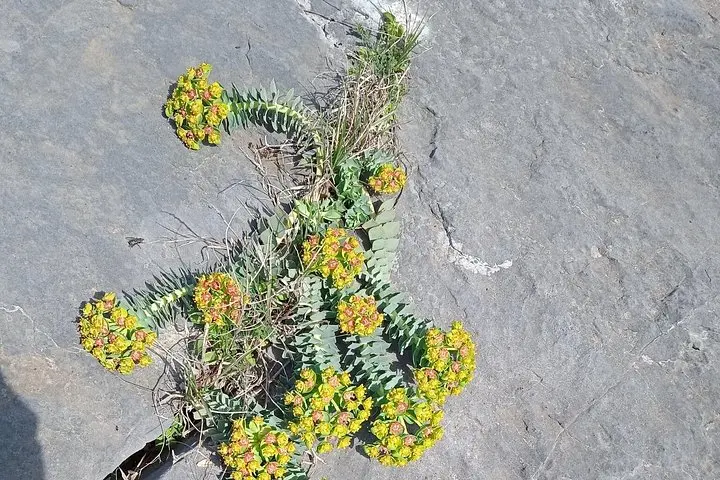
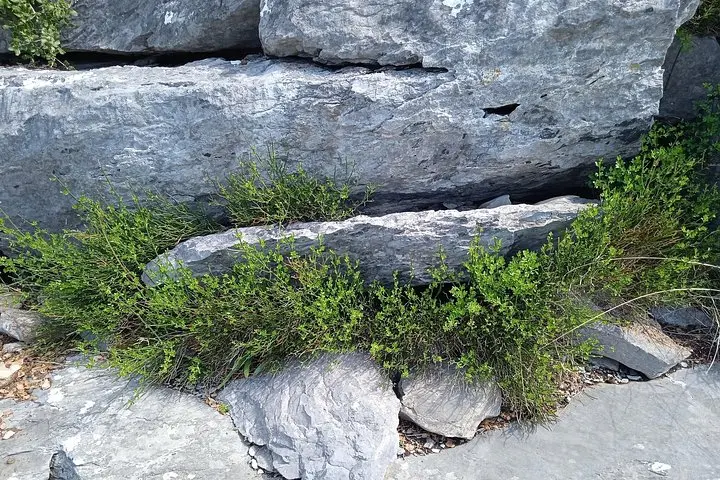
Petralona Cave is famous for its mid-Pleistocene finds, including an ancient hominin skull discovered in 1959; the surrounding hills record episodes of uplift, karstification and changing Mediterranean climates. The walk moves from scrubby thermo‑Mediterranean slopes, where hardy shrubs and thyme scent the air, toward more sheltered gypsum and limestone outcrops that host rare mosses and snails. The guide ties cultural notes — local shepherding and seasonal land use — to geological processes, explaining how hydrogeological flow carved the cave passages and preserved archaeological layers.
Practically, the guided presentation is lecture-plus-field-walk: expect two hours with short stops for close-up observation and Q&A before any licensed-museum guide leads inside the cave. Paths are mostly gentle but uneven; footwear with traction helps. Hydrate, wear layered clothing for cooler cave air, and bring a small flashlight even if guided visits are illuminated. Respect site rules: no touching formations, follow group limits, and stay on marked trails. The tour balances curiosity and science — it’s a compact, evidence-rich way to read Halkidiki’s deep natural history.
The scientific presentation and walk are included, but licensed guides control commentary inside the cave and museum; the presenter prepares you before entry and may accompany the group depending on regulations.
The tour is rated easy: paths are mostly short and uneven with brief standing presentations; it’s suitable for most ages though not recommended for pregnant travelers.
Rules vary; photography may be restricted in some museum areas and sensitive cave sections—follow the site’s posted rules and your guide’s instructions.
Language availability depends on the guide; check the booking page or contact the operator to confirm offered languages for your date.
Viosfera operates guided outdoor trips and adventures with an emphasis on safety, stewardship, and memorable experiences.
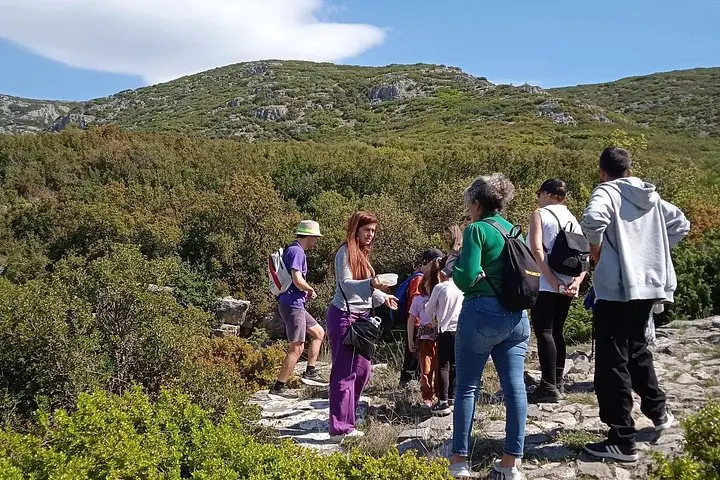
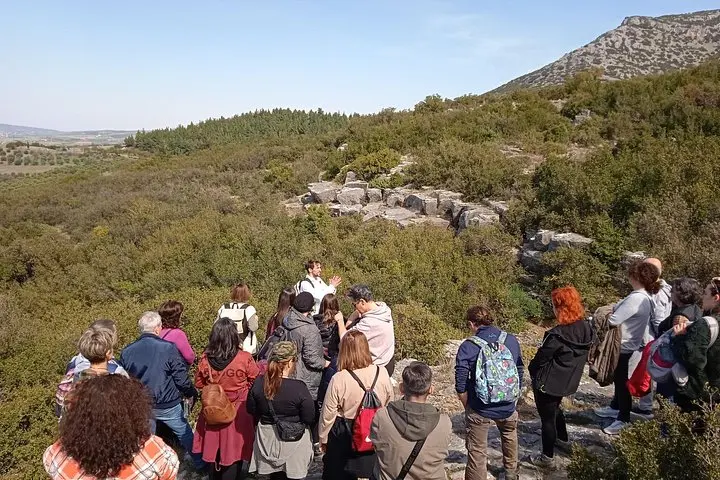
A cool sea breeze carries limestone dust and pine resin as the group assembles at the foot of the Petralona ridge. The guide — an environmental scientist — opens with a concise, evidence-driven talk that primes visitors to read the landscape: strata, stalactites, fossil fragments and the cave’s faint, echoing draughts. Nature here seems to deliberate, a slow actor shaping stone and life.
A cool sea breeze carries limestone dust and pine resin as the group assembles at the foot of the Petralona ridge. The guide — an environmental scientist — opens with a concise, evidence-driven talk that primes visitors to read the landscape: strata, stalactites, fossil fragments and the cave’s faint, echoing draughts. Nature here seems to deliberate, a slow actor shaping stone and life.
Petralona Cave is famous for its mid-Pleistocene finds, including an ancient hominin skull discovered in 1959; the surrounding hills record episodes of uplift, karstification and changing Mediterranean climates. The walk moves from scrubby thermo‑Mediterranean slopes, where hardy shrubs and thyme scent the air, toward more sheltered gypsum and limestone outcrops that host rare mosses and snails. The guide ties cultural notes — local shepherding and seasonal land use — to geological processes, explaining how hydrogeological flow carved the cave passages and preserved archaeological layers.
Practically, the guided presentation is lecture-plus-field-walk: expect two hours with short stops for close-up observation and Q&A before any licensed-museum guide leads inside the cave. Paths are mostly gentle but uneven; footwear with traction helps. Hydrate, wear layered clothing for cooler cave air, and bring a small flashlight even if guided visits are illuminated. Respect site rules: no touching formations, follow group limits, and stay on marked trails. The tour balances curiosity and science — it’s a compact, evidence-rich way to read Halkidiki’s deep natural history.