THE ADVENTURE COLLECTIVE® · Independent discovery and booking for outdoor travel

Escape Rio for a day and walk the streets of Petrópolis, the Imperial City founded by Dom Pedro II. This guided tour links the Imperial Museum, Crystal Palace and Santos Dumont’s house with local shops and a mountain breeze—ideal for history lovers and light walkers.
Escape Rio for a day and walk the streets of Petrópolis, the Imperial City founded by Dom Pedro II. This guided tour links the Imperial Museum, Crystal Palace and Santos Dumont’s house with local shops and a mountain breeze—ideal for history lovers and light walkers.
You arrive to a cooler air that slips down from the Serra dos Órgãos, streets lined with colonial façades and hydrangeas brushing the sidewalks. The city has a slower cadence than Rio; a day here feels like stepping into a quieter chapter of Brazil’s imperial past.
Verified experiences and guided adventures in the surrounding area.
Operated by Nattrip - Tourism, Ecotourism and Adventure in Rio de Janeiro · Petrópolis, Rio de Janeiro
You arrive to a cooler air that slips down from the Serra dos Órgãos, streets lined with colonial façades and hydrangeas brushing the sidewalks. The city has a slower cadence than Rio; a day here feels like stepping into a quieter chapter of Brazil’s imperial past.
Petrópolis was shaped by Emperor Dom Pedro II in the 19th century as a mountain retreat for Brazil’s elite. Granite outcrops and rolling hills of Atlantic Forest define its geology; the town was built where easier slopes met rivers that once powered small mills. Architecture ranges from German-influenced timber houses to the Imperial Museum’s stone walls, while Santos Dumont’s house recalls Brazil’s early aviation optimism.
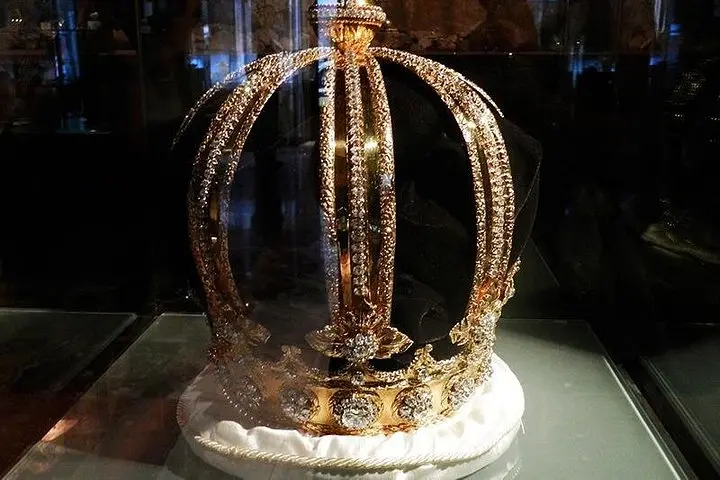
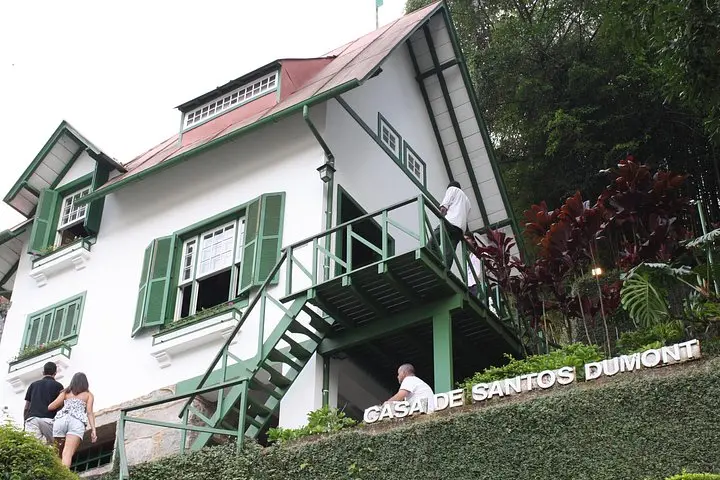
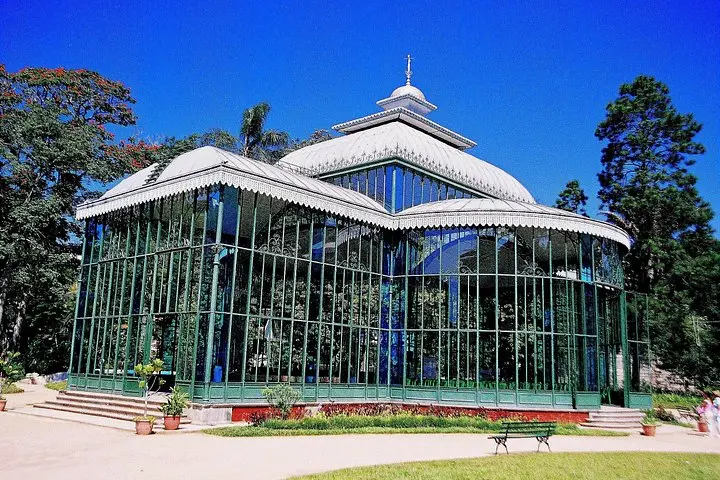
The itinerary strings together the highlights: the Imperial Museum (Dom Pedro II’s summer residence), the glass-walled Crystal Palace, the compact Santos Dumont house-museum, and Rua Teresa’s artisan shops. Each stop rewards short walks and close-up history rather than long hikes, but the town’s tree-lined avenues and gardened plazas give you regular chances to breathe in mountain air and seek views back toward the serras.
Practical guidance: this is a full-day, guided shore- or city-based tour with hotel pickup included for many Rio neighborhoods; expect 6–7 hours door-to-door and a fair amount of easy walking on cobblestones. Wear comfortable walking shoes, bring layered clothing for cooler afternoons, sunscreen, and a small daypack with water. Times can shift with traffic—plan a relaxed return window if you have evening plans in Rio. If you like craft beer, allow the optional brewery stop extra time; otherwise prioritize museum visits earlier in the day to avoid crowds.
The round-trip transfer and guided visit are about 6–7 hours total; driving time each way is roughly 1.5–2 hours depending on traffic.
The tour description lists museum visits and some admissions included; check the operator notes for the Imperial Museum and Crystal Palace specifics before booking.
Yes—this is rated easy and suitable for most ages, though there is walking on uneven surfaces and some staircases in museums.
Photography policies vary by museum; you can expect exterior and garden photos, but check signage or ask the guide about interior photo rules at each house-museum.
Nattrip - Tourism, Ecotourism and Adventure in Rio de Janeiro operates guided outdoor trips and adventures with an emphasis on safety, stewardship, and memorable experiences.
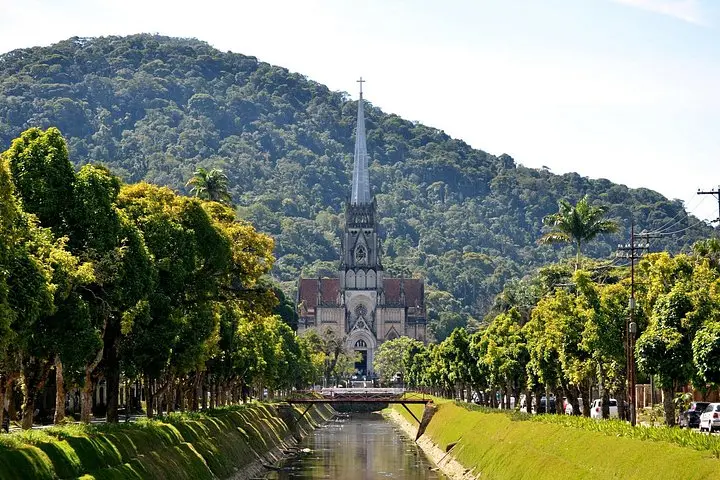
You arrive to a cooler air that slips down from the Serra dos Órgãos, streets lined with colonial façades and hydrangeas brushing the sidewalks. The city has a slower cadence than Rio; a day here feels like stepping into a quieter chapter of Brazil’s imperial past.
You arrive to a cooler air that slips down from the Serra dos Órgãos, streets lined with colonial façades and hydrangeas brushing the sidewalks. The city has a slower cadence than Rio; a day here feels like stepping into a quieter chapter of Brazil’s imperial past.
Petrópolis was shaped by Emperor Dom Pedro II in the 19th century as a mountain retreat for Brazil’s elite. Granite outcrops and rolling hills of Atlantic Forest define its geology; the town was built where easier slopes met rivers that once powered small mills. Architecture ranges from German-influenced timber houses to the Imperial Museum’s stone walls, while Santos Dumont’s house recalls Brazil’s early aviation optimism.
The itinerary strings together the highlights: the Imperial Museum (Dom Pedro II’s summer residence), the glass-walled Crystal Palace, the compact Santos Dumont house-museum, and Rua Teresa’s artisan shops. Each stop rewards short walks and close-up history rather than long hikes, but the town’s tree-lined avenues and gardened plazas give you regular chances to breathe in mountain air and seek views back toward the serras.
Practical guidance: this is a full-day, guided shore- or city-based tour with hotel pickup included for many Rio neighborhoods; expect 6–7 hours door-to-door and a fair amount of easy walking on cobblestones. Wear comfortable walking shoes, bring layered clothing for cooler afternoons, sunscreen, and a small daypack with water. Times can shift with traffic—plan a relaxed return window if you have evening plans in Rio. If you like craft beer, allow the optional brewery stop extra time; otherwise prioritize museum visits earlier in the day to avoid crowds.