THE ADVENTURE COLLECTIVE® · Independent discovery and booking for outdoor travel

Spend a day tracing Brazil’s imperial footprint in Petrópolis: palaces, a historic iron-and-glass exhibition hall, and a leisurely buffet lunch. This guided day tour from Rio blends history, architecture and mountain air into a single 12-hour outing.
Spend a day tracing Brazil’s imperial footprint in Petrópolis: palaces, a historic iron-and-glass exhibition hall, and a leisurely buffet lunch. This guided day tour from Rio blends history, architecture and mountain air into a single 12-hour outing.
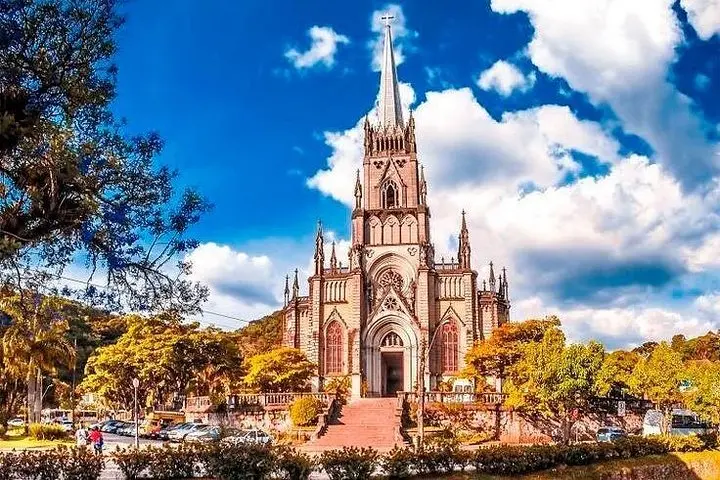
The bus pulls off the serpentine BR-040 and the air shifts—cooler, wood-scented, a mountain town that still moves at the pace of another century. Arriving in Petrópolis, visitors step into broad avenues framed by 19th-century mansions, the domes and towers of São Pedro de Alcântara carving a silhouette against the Serra dos Órgãos.
Verified experiences and guided adventures in the surrounding area.
Operated by Costa do Sol Tour · Petrópolis, Rio de Janeiro
The bus pulls off the serpentine BR-040 and the air shifts—cooler, wood-scented, a mountain town that still moves at the pace of another century. Arriving in Petrópolis, visitors step into broad avenues framed by 19th-century mansions, the domes and towers of São Pedro de Alcântara carving a silhouette against the Serra dos Órgãos.
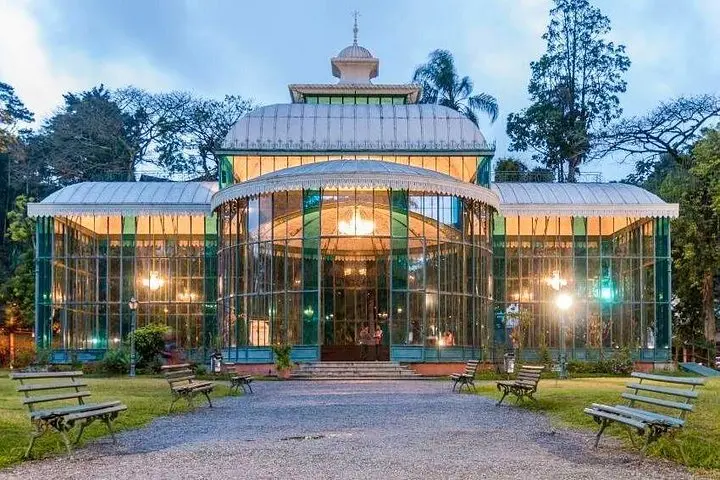
Petrópolis grew as the summer refuge for Brazil’s imperial family; its streets and public buildings tell stories of monarchy, early industrial railways and European architectural imports. The Imperial Museum occupies the former summer palace of Dom Pedro II: polished floors, carriages and a crown-room that concretize Brazil’s Second Reign. Nearby, the Crystal Palace—an imported iron-and-glass exhibition hall—recalls 19th-century agricultural fairs and civic pride. Quitandinha’s vast art-deco shell, once a casino-hotel, gestures to midcentury glamour and the sudden policy shifts that closed Brazil’s gaming era.
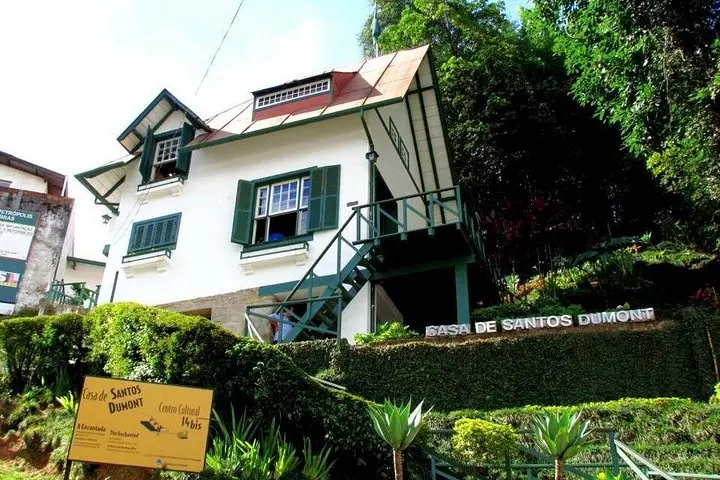
Geology is quiet but present: Petrópolis sits on the lower slopes of the Serra do Mar; granite outcrops and well-drained soils supported the coffee and flower cultivation that enriched the town. Cultural notes surface in small ways—German-influenced houses, chocolate shops, and the Santos Dumont summer house with its inventive quirks.
Practical guidance: expect a full 12-hour day if joining from Rio, with multiple short stops and at least one hour in the Imperial Museum. Wear comfortable walking shoes for cobbled streets and light layers—the mountain mornings are cool and afternoons can warm quickly. Bring water, sun protection, and small local currency for optional treats like Katz chocolates.
Yes—this tour includes executive air-conditioned transportation with scheduled boarding points in Rio’s South and Center zones.
Admission to the Imperial Museum is included; other sites may be view-only or have separate fees noted by the guide.
The transportation is wheelchair accessible and many stops are reachable, but some historic buildings have steps—check specific accessibility needs with the operator in advance.
Lunch is a buffet at a local restaurant near the Imperial Museum; drinks and desserts are generally not included.
Costa do Sol Tour operates guided outdoor trips and adventures with an emphasis on safety, stewardship, and memorable experiences.
The bus pulls off the serpentine BR-040 and the air shifts—cooler, wood-scented, a mountain town that still moves at the pace of another century. Arriving in Petrópolis, visitors step into broad avenues framed by 19th-century mansions, the domes and towers of São Pedro de Alcântara carving a silhouette against the Serra dos Órgãos.
The bus pulls off the serpentine BR-040 and the air shifts—cooler, wood-scented, a mountain town that still moves at the pace of another century. Arriving in Petrópolis, visitors step into broad avenues framed by 19th-century mansions, the domes and towers of São Pedro de Alcântara carving a silhouette against the Serra dos Órgãos.
Petrópolis grew as the summer refuge for Brazil’s imperial family; its streets and public buildings tell stories of monarchy, early industrial railways and European architectural imports. The Imperial Museum occupies the former summer palace of Dom Pedro II: polished floors, carriages and a crown-room that concretize Brazil’s Second Reign. Nearby, the Crystal Palace—an imported iron-and-glass exhibition hall—recalls 19th-century agricultural fairs and civic pride. Quitandinha’s vast art-deco shell, once a casino-hotel, gestures to midcentury glamour and the sudden policy shifts that closed Brazil’s gaming era.
Geology is quiet but present: Petrópolis sits on the lower slopes of the Serra do Mar; granite outcrops and well-drained soils supported the coffee and flower cultivation that enriched the town. Cultural notes surface in small ways—German-influenced houses, chocolate shops, and the Santos Dumont summer house with its inventive quirks.
Practical guidance: expect a full 12-hour day if joining from Rio, with multiple short stops and at least one hour in the Imperial Museum. Wear comfortable walking shoes for cobbled streets and light layers—the mountain mornings are cool and afternoons can warm quickly. Bring water, sun protection, and small local currency for optional treats like Katz chocolates.