THE ADVENTURE COLLECTIVE® · Independent discovery and booking for outdoor travel

Spend a half-day exploring Petworth’s antiques shops with a local expert, learning to spot provenance and negotiate prices before finishing with a classic English afternoon tea. Small groups and personalized guidance make this a focused hunt for unique finds.
Spend a half-day exploring Petworth’s antiques shops with a local expert, learning to spot provenance and negotiate prices before finishing with a classic English afternoon tea. Small groups and personalized guidance make this a focused hunt for unique finds.
The morning begins on Petworth’s High Street where slate roofs and brick façades seem to lean in to share secrets.
Verified experiences and guided adventures in the surrounding area.
Operated by Foraging For Antiques · Petworth, West Sussex
The morning begins on Petworth’s High Street where slate roofs and brick façades seem to lean in to share secrets.
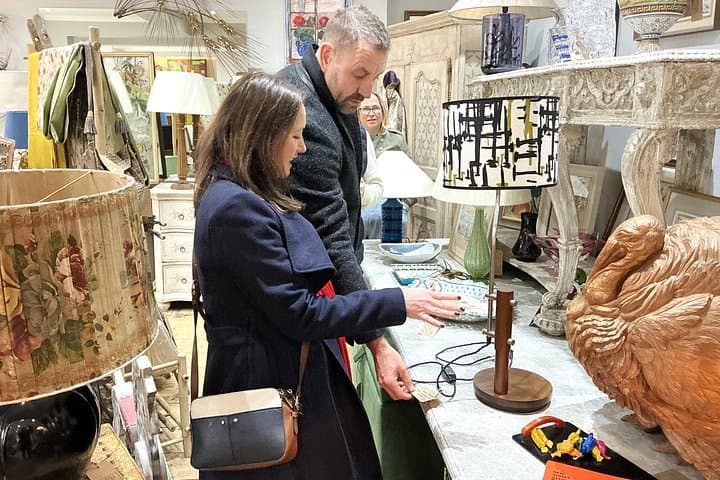
You walk — not to race, but to inspect: shop windows overflowing with brass, mid-century lamps and textiles, side alleys that funnel you toward courtyard dealers. The guide, an antiques expert, reads rooms and stalls like a local map; she points to maker’s marks, calls out probable eras and nudges you toward pieces with character. Conversation alternates between practical negotiation and the stories behind each object: who might have owned the writing desk, how a glazed jug survived wartime rationing.
Petworth itself is a small market town by the South Downs, with a history tied to the 17th–19th century landed estate centered on Petworth House. Geologically the area sits on greensand and chalk slopes, and the streets reflect centuries of local craft and trade. Local culture still favors independent shops and a measured pace — bargaining is expected but polite, and shopkeepers value provenance.
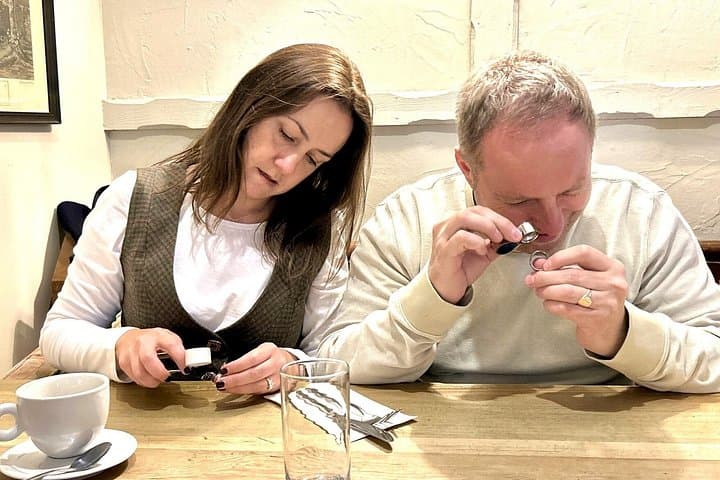
Practicalities matter: tours run about three to four hours, small groups keep access to tight shops easy, and some antique rooms have stairs and narrow passages. Bring comfortable shoes, plan for variable English weather and leave large shipping questions until after purchases — many dealers can arrange delivery. The tour culminates in an English afternoon tea where finds are examined, prices replayed, and follow-up contacts exchanged — a tidy finish to a hunt that’s as much about story as it is about the object.
Meet on Petworth High Street at a centrally located café or specified landmark; the exact meeting point is provided upon booking.
No, purchases are separate; the guide can advise on value, negotiation and local shippers but you pay dealers directly.
Some shops have narrow entrances and stairs; contact the operator ahead to discuss accessibility and possible route adjustments.
A traditional English afternoon tea with sandwiches, scones and sweets is provided; dietary alternatives are available if requested in advance.
Foraging For Antiques operates guided outdoor trips and adventures with an emphasis on safety, stewardship, and memorable experiences.


The morning begins on Petworth’s High Street where slate roofs and brick façades seem to lean in to share secrets.
The morning begins on Petworth’s High Street where slate roofs and brick façades seem to lean in to share secrets.
You walk — not to race, but to inspect: shop windows overflowing with brass, mid-century lamps and textiles, side alleys that funnel you toward courtyard dealers. The guide, an antiques expert, reads rooms and stalls like a local map; she points to maker’s marks, calls out probable eras and nudges you toward pieces with character. Conversation alternates between practical negotiation and the stories behind each object: who might have owned the writing desk, how a glazed jug survived wartime rationing.
Petworth itself is a small market town by the South Downs, with a history tied to the 17th–19th century landed estate centered on Petworth House. Geologically the area sits on greensand and chalk slopes, and the streets reflect centuries of local craft and trade. Local culture still favors independent shops and a measured pace — bargaining is expected but polite, and shopkeepers value provenance.
Practicalities matter: tours run about three to four hours, small groups keep access to tight shops easy, and some antique rooms have stairs and narrow passages. Bring comfortable shoes, plan for variable English weather and leave large shipping questions until after purchases — many dealers can arrange delivery. The tour culminates in an English afternoon tea where finds are examined, prices replayed, and follow-up contacts exchanged — a tidy finish to a hunt that’s as much about story as it is about the object.