THE ADVENTURE COLLECTIVE® · Independent discovery and booking for outdoor travel

Spend a day among Rwanda’s high-altitude tea rows at Pfunda, where volcanic soils, practiced pickers and a working factory explain how tea becomes one of the country’s chief exports. This full-day tour blends fieldwork observation, factory visits and a guided cultural perspective.
Spend a day among Rwanda’s high-altitude tea rows at Pfunda, where volcanic soils, practiced pickers and a working factory explain how tea becomes one of the country’s chief exports. This full-day tour blends fieldwork observation, factory visits and a guided cultural perspective.
Dawn breaks over a ribbon of road and the minivan hums toward green slopes that rise and fall like breath. By mid-morning the air tastes of damp earth and cut leaves; rows of tea bushes scallop the hills, their clipped tops waving under the light. The guide points to the pickers ahead — quick, practiced hands harvesting tiny, bright shoots — and the day settles into the steady rhythm of fieldwork and steam from the factory ovens.
Verified experiences and guided adventures in the surrounding area.
Operated by Judith Safaris · Pfunda, Northern Province
Dawn breaks over a ribbon of road and the minivan hums toward green slopes that rise and fall like breath. By mid-morning the air tastes of damp earth and cut leaves; rows of tea bushes scallop the hills, their clipped tops waving under the light. The guide points to the pickers ahead — quick, practiced hands harvesting tiny, bright shoots — and the day settles into the steady rhythm of fieldwork and steam from the factory ovens.
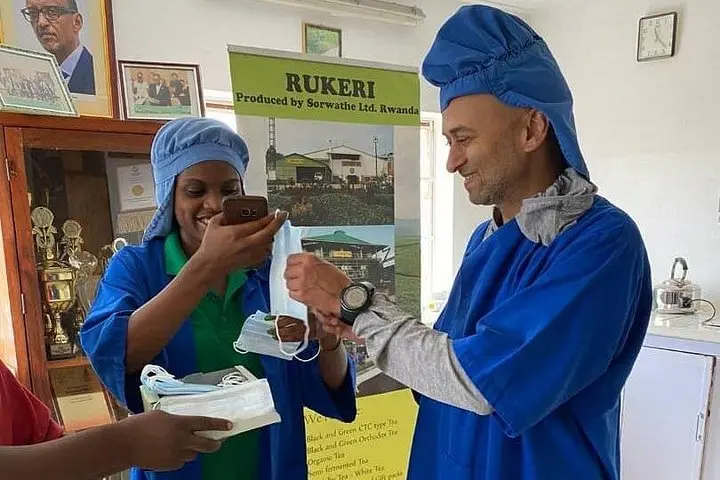
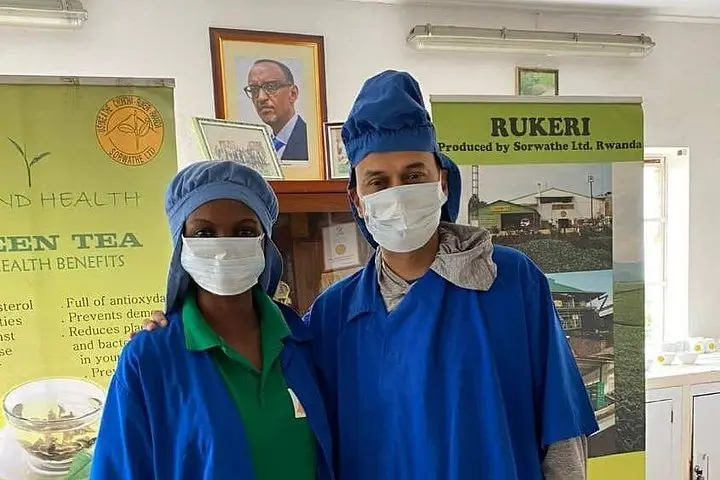
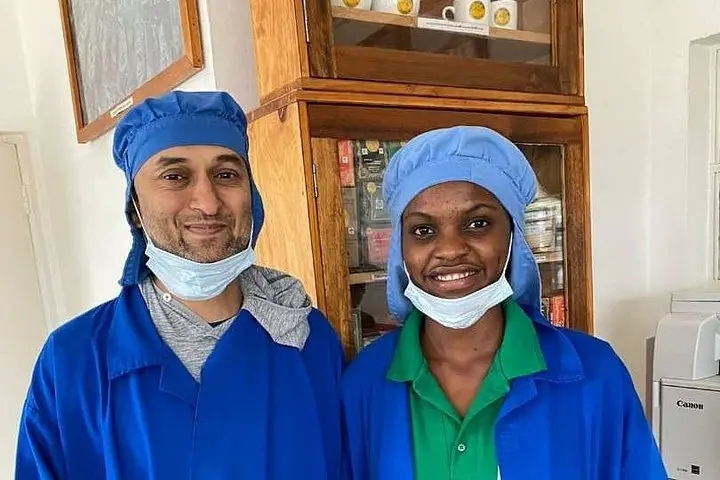
Tea was introduced to Rwanda in the 1950s and expanded after independence, flourishing in volcanic soils at high altitude. The Pfunda estate sits where cooled lava and rich alluvium meet, giving the plants a brisk mineral backbone and caffeine that carries bright, brisk notes. The tour moves from the field to the withering troughs and the green machines of the factory; you’ll learn how plucked leaves become black, green or white tea and how cooperatives fit into local livelihoods.
Culturally, tea farming blends traditional family labor with modern processing — expect conversations with pickers and a bilingual guide translating both technique and social context. The landscape invites slow walking, close observation of soil, drainage trenches and the small infrastructures that make large-scale tea possible.
Practically: wear sturdy shoes for uneven paths, bring a lightweight rain layer and sun protection, and plan for a full day (long drive from Kigali). Photography is welcome but be mindful of workers’ space. Expect bottled water and a simple lunch included; bring cash for small purchases of fresh tea and tips for staff. The route rewards patience — after a long drive, the hills give back quiet, tangible craft and a cup that tastes of place.
Expect roughly 3–4 hours each way depending on traffic and conditions; the tour is a full-day experience.
The plantation walk is gentle but uneven; families with small children should bring carriers and those with mobility concerns should check pickup points and vehicle access in advance.
Yes — most plantations offer packaged tea for sale; bring local currency for purchases.
Bottled water and a simple lunch are included in the tour price as stated in the itinerary.
Judith Safaris operates guided outdoor trips and adventures with an emphasis on safety, stewardship, and memorable experiences.
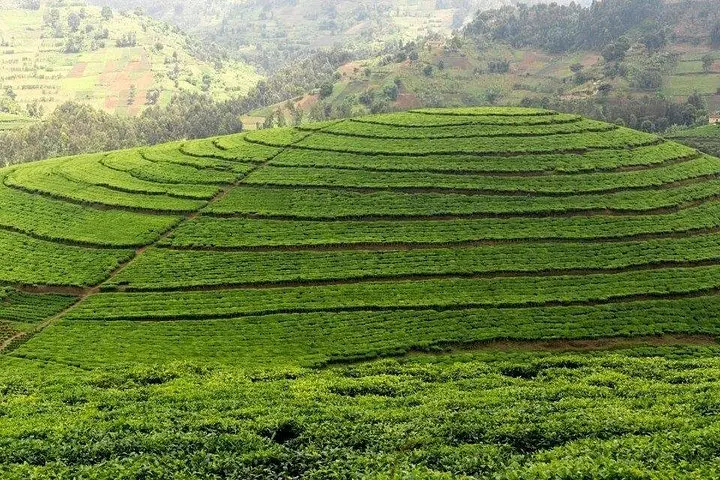
Dawn breaks over a ribbon of road and the minivan hums toward green slopes that rise and fall like breath. By mid-morning the air tastes of damp earth and cut leaves; rows of tea bushes scallop the hills, their clipped tops waving under the light. The guide points to the pickers ahead — quick, practiced hands harvesting tiny, bright shoots — and the day settles into the steady rhythm of fieldwork and steam from the factory ovens.
Dawn breaks over a ribbon of road and the minivan hums toward green slopes that rise and fall like breath. By mid-morning the air tastes of damp earth and cut leaves; rows of tea bushes scallop the hills, their clipped tops waving under the light. The guide points to the pickers ahead — quick, practiced hands harvesting tiny, bright shoots — and the day settles into the steady rhythm of fieldwork and steam from the factory ovens.
Tea was introduced to Rwanda in the 1950s and expanded after independence, flourishing in volcanic soils at high altitude. The Pfunda estate sits where cooled lava and rich alluvium meet, giving the plants a brisk mineral backbone and caffeine that carries bright, brisk notes. The tour moves from the field to the withering troughs and the green machines of the factory; you’ll learn how plucked leaves become black, green or white tea and how cooperatives fit into local livelihoods.
Culturally, tea farming blends traditional family labor with modern processing — expect conversations with pickers and a bilingual guide translating both technique and social context. The landscape invites slow walking, close observation of soil, drainage trenches and the small infrastructures that make large-scale tea possible.
Practically: wear sturdy shoes for uneven paths, bring a lightweight rain layer and sun protection, and plan for a full day (long drive from Kigali). Photography is welcome but be mindful of workers’ space. Expect bottled water and a simple lunch included; bring cash for small purchases of fresh tea and tips for staff. The route rewards patience — after a long drive, the hills give back quiet, tangible craft and a cup that tastes of place.