THE ADVENTURE COLLECTIVE® · Independent discovery and booking for outdoor travel

Cruise Phang Nga Bay by big boat to see the iconic James Bond Island, paddle mangrove canyons, and swim from sheltered coves. This full-day trip combines limestone scenery, on-board lunch, and guided canoeing for an easy but active coastal experience.
Cruise Phang Nga Bay by big boat to see the iconic James Bond Island, paddle mangrove canyons, and swim from sheltered coves. This full-day trip combines limestone scenery, on-board lunch, and guided canoeing for an easy but active coastal experience.
You step from Phuket's busy pier onto a broad-decked boat, the hull slicing oily blue water as karst towers begin to materialize on the horizon. Warm salt air and the soft clank of rigging set the tempo; staff welcome you aboard and the engine thrum becomes part of the soundtrack.
Verified experiences and guided adventures in the surrounding area.
Operated by Vacay · Phang Nga, Phang Nga Province
You step from Phuket's busy pier onto a broad-decked boat, the hull slicing oily blue water as karst towers begin to materialize on the horizon. Warm salt air and the soft clank of rigging set the tempo; staff welcome you aboard and the engine thrum becomes part of the soundtrack.
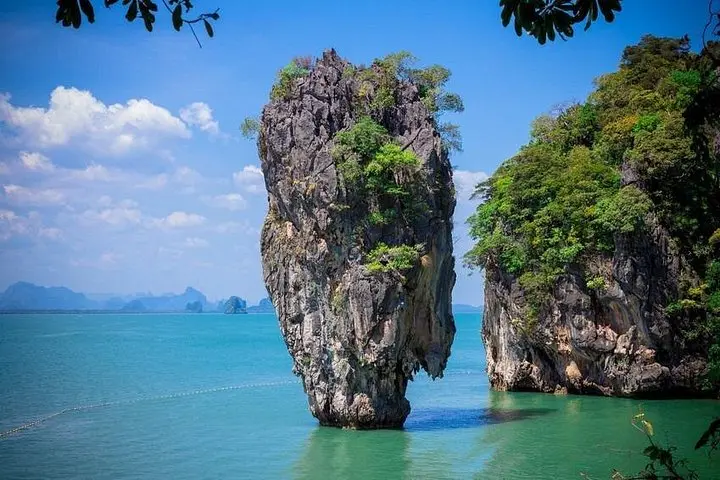
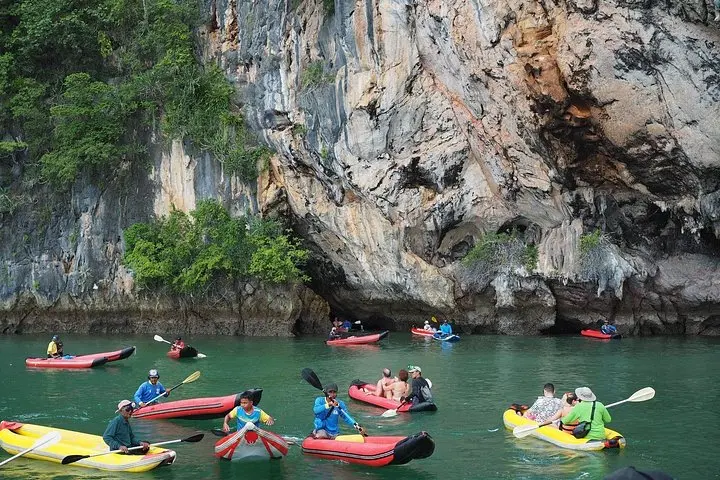
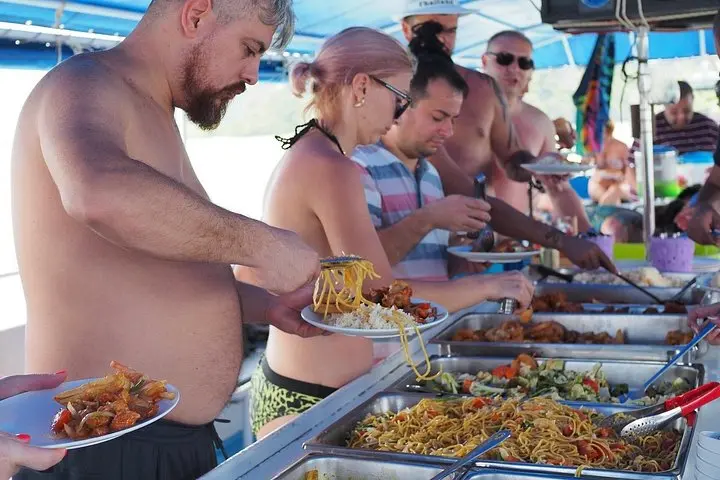
Phang Nga Bay is limestone country: cliffs and jagged islets carved by millions of years of chemical weathering and tidal abrasion. One of those islets—Khao Phing Kan, known as James Bond Island after The Man with the Golden Gun—draws crowds for its photogenic spire and shallow tidal flats. The day also brings quieter pockets: Hong Island’s sheltered lagoons where guided canoeing threads through mangrove mouths, and small sandy shelves where the boat anchors for swimming and a freshly prepared lunch on board.
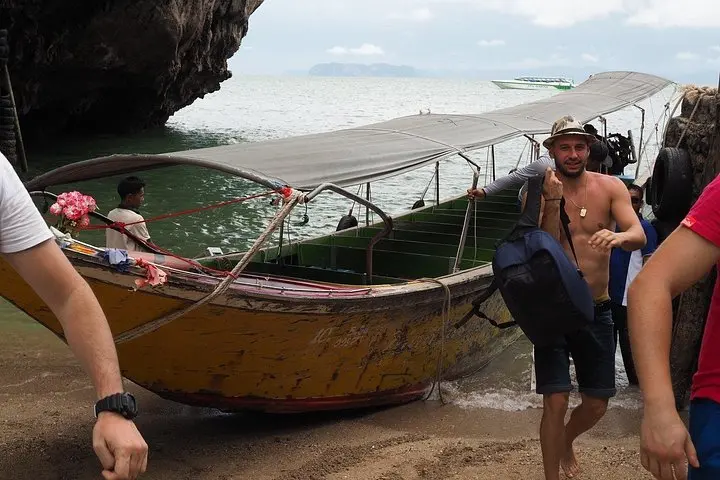
Local culture is present in small ways—fishermen, floating fish farms, and the rhythm of longtail boats ferrying passengers to shore. The national park manages access and collects fees to protect fragile karst ecosystems and sea-grass beds.
Practical guidance: bring sun protection, reef-safe sunscreen, a hat, and a lightweight rain layer; shoes with grip for wet rocks; seasickness medicine if you’re prone. Timing matters—canoe trips and cave entries are easier at higher tides, while sunrise and late afternoon give softer light and fewer crowds. Expect an active but beginner-friendly day: short paddles, a few stone steps ashore, and long stretches on deck where the sea dares you to relax and look outward.
Typical day tours run 6–9 hours from Phuket and include boat transfers, national park fees, a cooked lunch on board, canoeing guided by staff, life jackets, and sometimes tea/coffee.
Canoeing is usually suitable for beginners; guides steer and the water is calm in mangrove lagoons, but people with mobility limits should check accessibility first.
Yes—Khao Phing Kan is a very popular stop. Expect other boats and a short onshore walk for photos; quieter moments are more likely at adjacent islands like Hong Island.
National park fees are typically included, but carrying small cash for extra snacks, souvenirs, or crew tips is recommended.
Vacay operates guided outdoor trips and adventures with an emphasis on safety, stewardship, and memorable experiences.
You step from Phuket's busy pier onto a broad-decked boat, the hull slicing oily blue water as karst towers begin to materialize on the horizon. Warm salt air and the soft clank of rigging set the tempo; staff welcome you aboard and the engine thrum becomes part of the soundtrack.
You step from Phuket's busy pier onto a broad-decked boat, the hull slicing oily blue water as karst towers begin to materialize on the horizon. Warm salt air and the soft clank of rigging set the tempo; staff welcome you aboard and the engine thrum becomes part of the soundtrack.
Phang Nga Bay is limestone country: cliffs and jagged islets carved by millions of years of chemical weathering and tidal abrasion. One of those islets—Khao Phing Kan, known as James Bond Island after The Man with the Golden Gun—draws crowds for its photogenic spire and shallow tidal flats. The day also brings quieter pockets: Hong Island’s sheltered lagoons where guided canoeing threads through mangrove mouths, and small sandy shelves where the boat anchors for swimming and a freshly prepared lunch on board.
Local culture is present in small ways—fishermen, floating fish farms, and the rhythm of longtail boats ferrying passengers to shore. The national park manages access and collects fees to protect fragile karst ecosystems and sea-grass beds.
Practical guidance: bring sun protection, reef-safe sunscreen, a hat, and a lightweight rain layer; shoes with grip for wet rocks; seasickness medicine if you’re prone. Timing matters—canoe trips and cave entries are easier at higher tides, while sunrise and late afternoon give softer light and fewer crowds. Expect an active but beginner-friendly day: short paddles, a few stone steps ashore, and long stretches on deck where the sea dares you to relax and look outward.