THE ADVENTURE COLLECTIVE® · Independent discovery and booking for outdoor travel

Cut across emerald water to limestone towers, canoe through mangrove caves and lunch on a floating fishing village. This full-day speedboat and canoe trip from Phuket delivers cinematic scenery and hands-on exploration of Phang Nga Bay.
Cut across emerald water to limestone towers, canoe through mangrove caves and lunch on a floating fishing village. This full-day speedboat and canoe trip from Phuket delivers cinematic scenery and hands-on exploration of Phang Nga Bay.
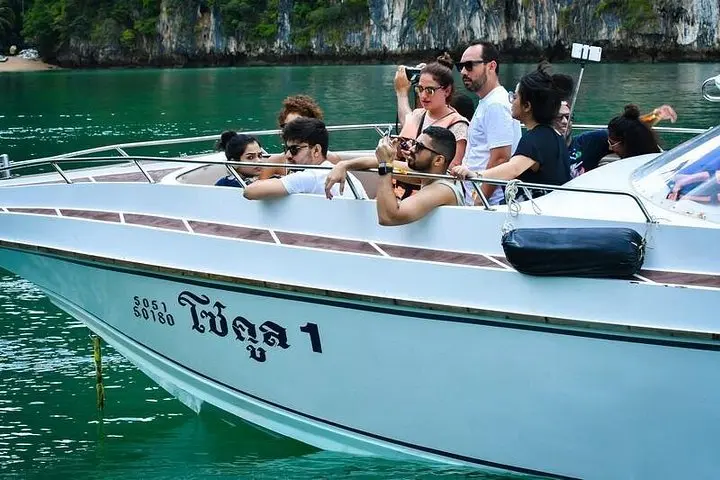
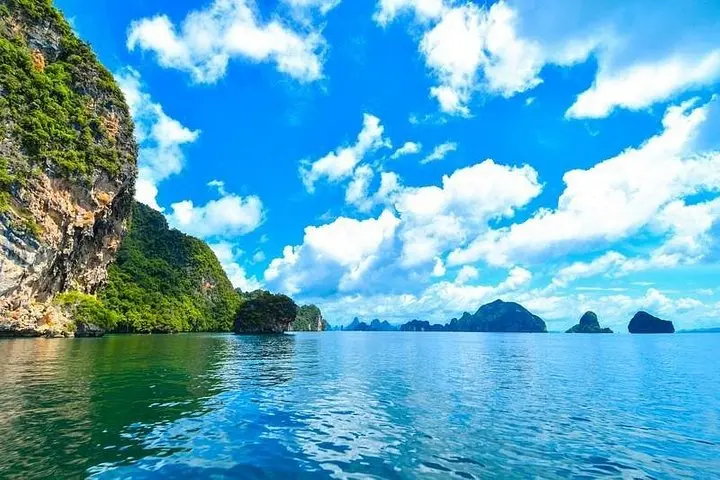
The morning starts with the rush of a speedboat cutting across green water, spray tasting faintly of salt and limestone. Within an hour the shoreline dissolves into a scatter of karst towers—vertical cliffs rising from a shallow sea—and the boat slips close to caves and mangrove mouths where guides hand out paddles. Canoes thread silent channels beneath overhanging roots; sunlight slants through narrow cave openings, turning the water a deep, tropical jade.
Verified experiences and guided adventures in the surrounding area.
Operated by Trip Thai Tour · Phuket, Phuket Province
The morning starts with the rush of a speedboat cutting across green water, spray tasting faintly of salt and limestone. Within an hour the shoreline dissolves into a scatter of karst towers—vertical cliffs rising from a shallow sea—and the boat slips close to caves and mangrove mouths where guides hand out paddles. Canoes thread silent channels beneath overhanging roots; sunlight slants through narrow cave openings, turning the water a deep, tropical jade.
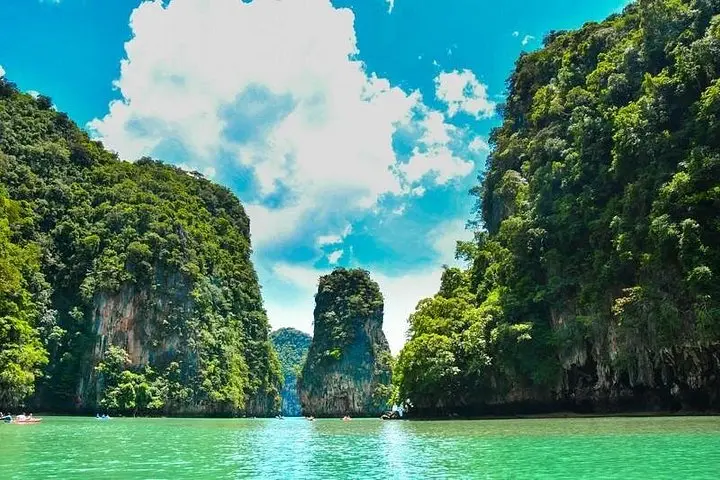
Geology here is immediate: Permian limestone sculpted by millennia of waves, rain and chemical weathering, producing dramatic sea stacks like Ko Tapu (the iconic “James Bond Island”) and steep-walled caves on Panak Island. The culture along Phang Nga’s fringes is marine—floating villages like Koh Panyee grew from fishing and trade, and lunch here is as much a local ritual as a break from touring.
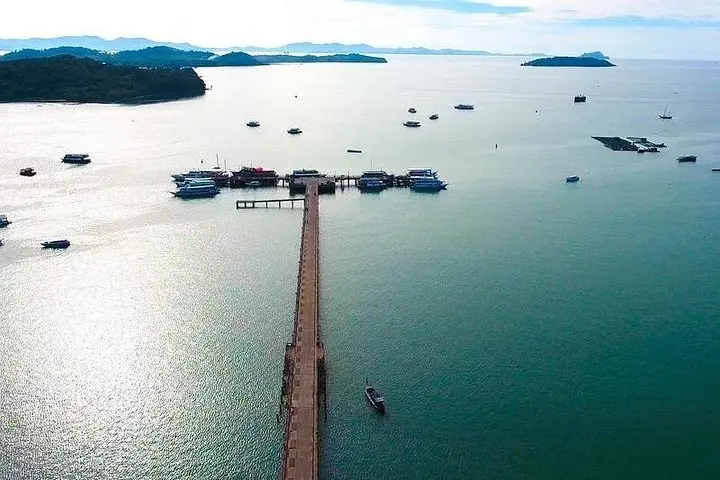
Practically, this is a full-day coastal expedition: expect about 8 hours including hotel transfer, national park fees and guided canoeing. The pace alternates between fast transit, guided paddles through mangroves and short shore stops for photos and swimming. Guides brief groups on safety and local ecology; wear reef-safe sunscreen, a hat and footwear you can paddle in.
Best times are November–April for calmer seas; monsoon months bring rougher water and changed schedules. Respect fragile mangrove roots and coral when swimming; opt for reef shoes rather than barefoot. For travelers seeking a vivid, accessible slice of southern Thailand’s marine landscape, this trip pairs cinematic coastal scenery with hands-on paddling and a practical, guide-led approach to exploring Phang Nga Bay.
The full experience is about 8 hours and usually includes hotel pickup/drop-off, national park fees, lunch, snorkeling equipment, canoeing guides and a professional English-speaking guide.
Yes; Ko Tapu and Khao Phing Kan are popular tourist stops and can be busy during high season—guides usually limit shore time for everyone’s comfort.
Families with children can join if kids are comfortable in small boats; guides often provide life jackets but check age limits with the operator when booking.
Operators may alter the itinerary for safety; heavy rain or rough seas can lead to cancellations or route changes—confirm the operator’s weather policy before you go.
Trip Thai Tour operates guided outdoor trips and adventures with an emphasis on safety, stewardship, and memorable experiences.
The morning starts with the rush of a speedboat cutting across green water, spray tasting faintly of salt and limestone. Within an hour the shoreline dissolves into a scatter of karst towers—vertical cliffs rising from a shallow sea—and the boat slips close to caves and mangrove mouths where guides hand out paddles. Canoes thread silent channels beneath overhanging roots; sunlight slants through narrow cave openings, turning the water a deep, tropical jade.
The morning starts with the rush of a speedboat cutting across green water, spray tasting faintly of salt and limestone. Within an hour the shoreline dissolves into a scatter of karst towers—vertical cliffs rising from a shallow sea—and the boat slips close to caves and mangrove mouths where guides hand out paddles. Canoes thread silent channels beneath overhanging roots; sunlight slants through narrow cave openings, turning the water a deep, tropical jade.
Geology here is immediate: Permian limestone sculpted by millennia of waves, rain and chemical weathering, producing dramatic sea stacks like Ko Tapu (the iconic “James Bond Island”) and steep-walled caves on Panak Island. The culture along Phang Nga’s fringes is marine—floating villages like Koh Panyee grew from fishing and trade, and lunch here is as much a local ritual as a break from touring.
Practically, this is a full-day coastal expedition: expect about 8 hours including hotel transfer, national park fees and guided canoeing. The pace alternates between fast transit, guided paddles through mangroves and short shore stops for photos and swimming. Guides brief groups on safety and local ecology; wear reef-safe sunscreen, a hat and footwear you can paddle in.
Best times are November–April for calmer seas; monsoon months bring rougher water and changed schedules. Respect fragile mangrove roots and coral when swimming; opt for reef shoes rather than barefoot. For travelers seeking a vivid, accessible slice of southern Thailand’s marine landscape, this trip pairs cinematic coastal scenery with hands-on paddling and a practical, guide-led approach to exploring Phang Nga Bay.