THE ADVENTURE COLLECTIVE® · Independent discovery and booking for outdoor travel

Sail the Nile between Luxor and Aswan on an 8‑day cultural cruise that pairs onboard comfort with guided visits to Karnak, the Valley of the Kings, Edfu and Kom Ombo. Expect long days at Egypt’s major archaeological sites, domestic flights, and hotel nights bookending the river leg.
Sail the Nile between Luxor and Aswan on an 8‑day cultural cruise that pairs onboard comfort with guided visits to Karnak, the Valley of the Kings, Edfu and Kom Ombo. Expect long days at Egypt’s major archaeological sites, domestic flights, and hotel nights bookending the river leg.
Morning light slides across the Nile and the river answers with a steady, bronze push beneath the cruise's hull. Guests step from shaded decks into cool temple courtyards; the air carries dust, incense and the low murmur of guide commentary. This is a trip that balances slow, river-borne travel with full days on land visiting Egypt’s headline sites.
Verified experiences and guided adventures in the surrounding area.
Operated by bes Egypt tours - day tours · Luxor, Luxor Governorate
Morning light slides across the Nile and the river answers with a steady, bronze push beneath the cruise's hull. Guests step from shaded decks into cool temple courtyards; the air carries dust, incense and the low murmur of guide commentary. This is a trip that balances slow, river-borne travel with full days on land visiting Egypt’s headline sites.
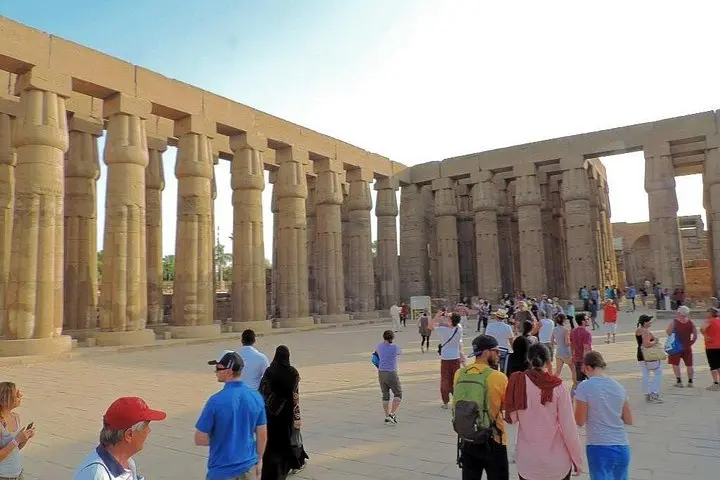
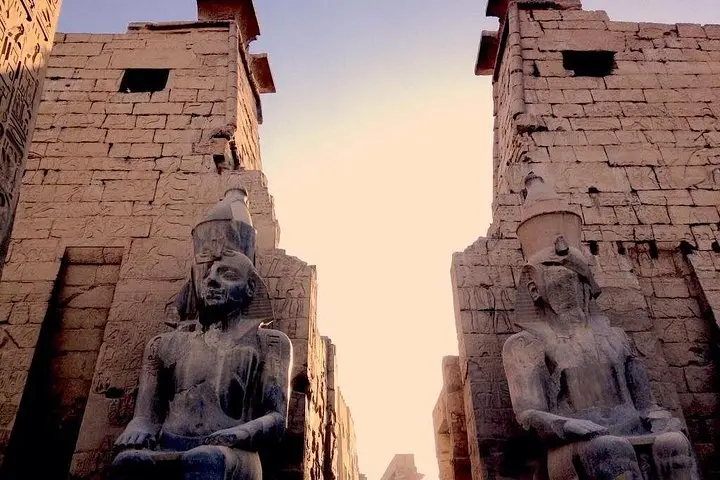
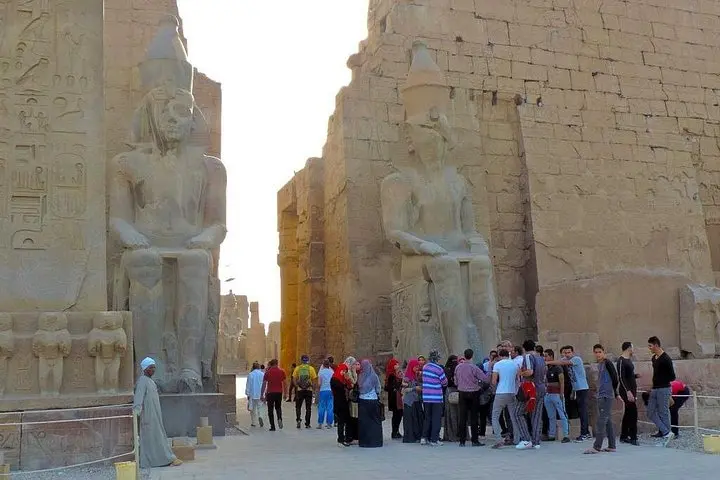
The itinerary threads Cairo’s pyramids and the Egyptian Museum with an 8‑day Nile cruise from Luxor to Aswan. On the East Bank, Karnak’s hypostyle hall and Luxor Temple reveal layers of pharaonic construction; across the water the West Bank holds the Valley of the Kings—63 royal tombs carved into limestone cliffs—and Hatshepsut’s terraced mortuary temple. Further south, Edfu’s Horus temple and Kom Ombo’s dual sanctuaries illustrate Ptolemaic-era continuity, while Aswan’s High Dam and unfinished obelisk show modern and ancient stonework side by side.
Geology is simple and visible: the Nile corridor is a ribbon of alluvial soil between desert plateaus, cliffs of sandstone and limestone exposing millennia of human activity. Culturally, the route follows Egypt’s historical spine—river transport, agriculture and settlement shaped these monuments.
Practicalities: plan for strong sun, flat but uneven walking at sites, and steps into tombs. Domestic flights and hotel nights are typically included; most programs provide bottled water, meals aboard and guided transfers. Expect guided walks of a few hours at major sites, early starts to avoid heat, and modest to comfortable hotel and cruise accommodations. Bring sun protection, a lightweight daypack, sturdy walking shoes and patience for market haggling and busy visitor areas.
Most itineraries board in Luxor after initial Cairo hotel nights; check your voucher for exact embarkation details and times.
No—this cruise is rated easy; excursions involve walking on uneven ground and steps into tombs but no technical climbing.
Typical packages include breakfasts, lunches and dinners listed in the itinerary, airport transfers and domestic flights between Cairo and Luxor/Aswan as noted in the inclusions.
Visitors to Egypt usually require a tourist visa (obtainable on arrival for many nationalities or in advance) and routine vaccinations; check current health and entry requirements before travel.
bes Egypt tours - day tours operates guided outdoor trips and adventures with an emphasis on safety, stewardship, and memorable experiences.
Morning light slides across the Nile and the river answers with a steady, bronze push beneath the cruise's hull. Guests step from shaded decks into cool temple courtyards; the air carries dust, incense and the low murmur of guide commentary. This is a trip that balances slow, river-borne travel with full days on land visiting Egypt’s headline sites.
Morning light slides across the Nile and the river answers with a steady, bronze push beneath the cruise's hull. Guests step from shaded decks into cool temple courtyards; the air carries dust, incense and the low murmur of guide commentary. This is a trip that balances slow, river-borne travel with full days on land visiting Egypt’s headline sites.
The itinerary threads Cairo’s pyramids and the Egyptian Museum with an 8‑day Nile cruise from Luxor to Aswan. On the East Bank, Karnak’s hypostyle hall and Luxor Temple reveal layers of pharaonic construction; across the water the West Bank holds the Valley of the Kings—63 royal tombs carved into limestone cliffs—and Hatshepsut’s terraced mortuary temple. Further south, Edfu’s Horus temple and Kom Ombo’s dual sanctuaries illustrate Ptolemaic-era continuity, while Aswan’s High Dam and unfinished obelisk show modern and ancient stonework side by side.
Geology is simple and visible: the Nile corridor is a ribbon of alluvial soil between desert plateaus, cliffs of sandstone and limestone exposing millennia of human activity. Culturally, the route follows Egypt’s historical spine—river transport, agriculture and settlement shaped these monuments.
Practicalities: plan for strong sun, flat but uneven walking at sites, and steps into tombs. Domestic flights and hotel nights are typically included; most programs provide bottled water, meals aboard and guided transfers. Expect guided walks of a few hours at major sites, early starts to avoid heat, and modest to comfortable hotel and cruise accommodations. Bring sun protection, a lightweight daypack, sturdy walking shoes and patience for market haggling and busy visitor areas.