THE ADVENTURE COLLECTIVE® · Independent discovery and booking for outdoor travel

Board a barge, meet living-history performers and step into reconstructed streets of ancient Egypt on this five-hour Pharaonic Village tour. Family-friendly and accessible, it pairs a guided narrative with hands-on demonstrations and a replica of King Tut’s tomb.
Board a barge, meet living-history performers and step into reconstructed streets of ancient Egypt on this five-hour Pharaonic Village tour. Family-friendly and accessible, it pairs a guided narrative with hands-on demonstrations and a replica of King Tut’s tomb.
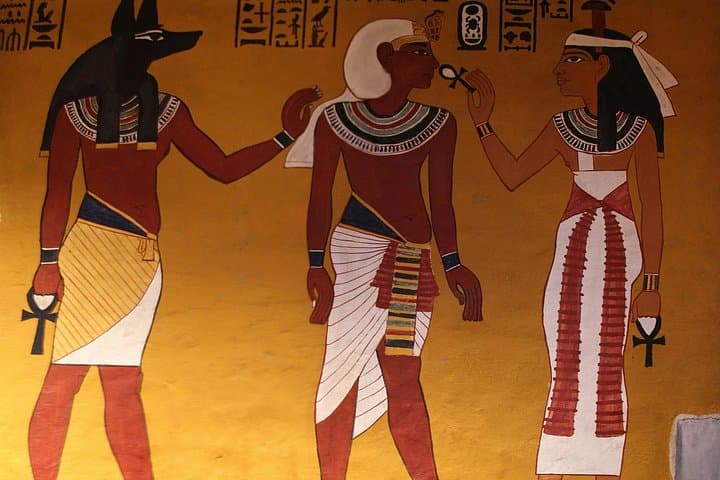
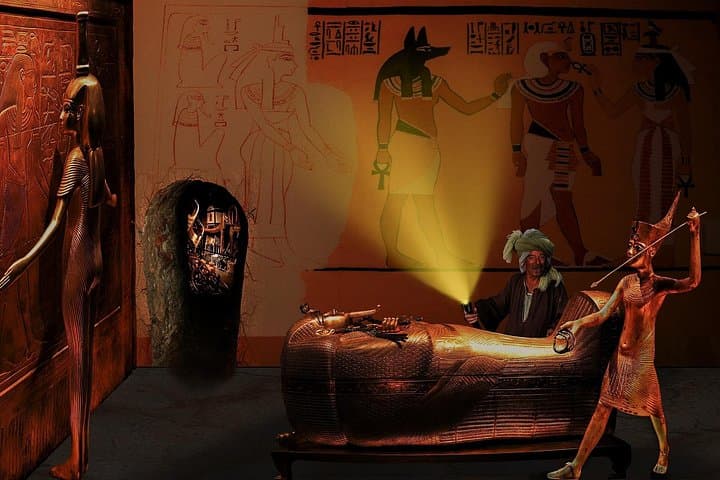
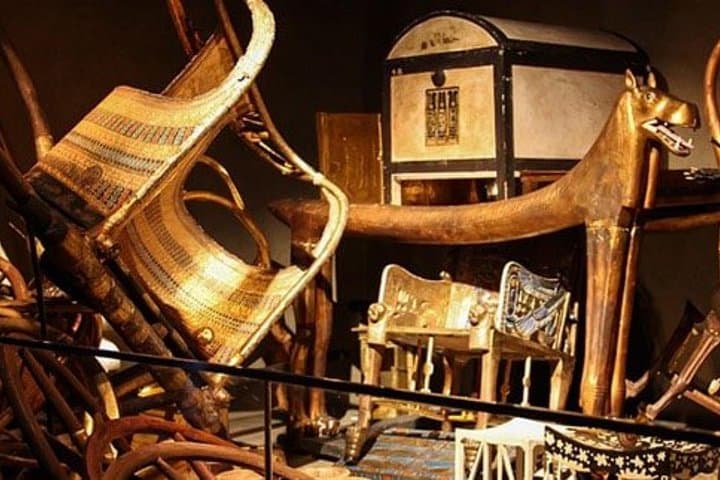
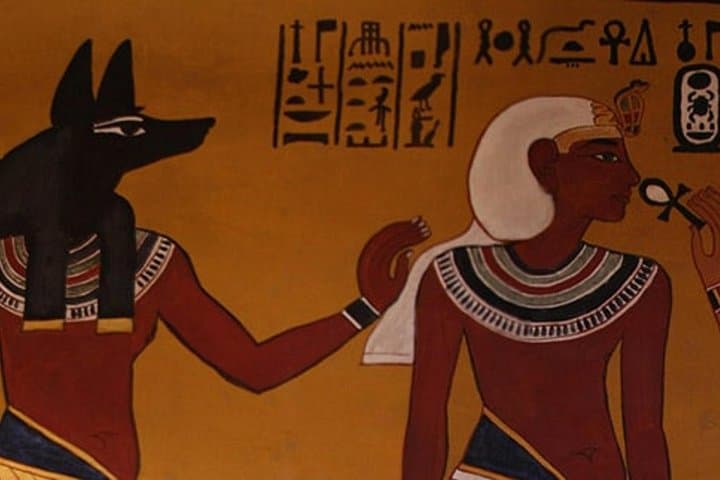
You step off an air-conditioned minibus into a bright courtyard where reeds whisper and narrow canals cut like ink across packed earth. Motorized barges wait; costumed figures move through reed houses, calling out workshop songs. The village lifts the everyday life of ancient Egypt into three dimensions—pottery spun at low wheels, weavers beating rhythm into linen, and a plaster replica of Tutankhamun’s tomb catching the light like a secret.
Verified experiences and guided adventures in the surrounding area.
Operated by Egyptio Tours · Cairo, Cairo Governorate
You step off an air-conditioned minibus into a bright courtyard where reeds whisper and narrow canals cut like ink across packed earth. Motorized barges wait; costumed figures move through reed houses, calling out workshop songs. The village lifts the everyday life of ancient Egypt into three dimensions—pottery spun at low wheels, weavers beating rhythm into linen, and a plaster replica of Tutankhamun’s tomb catching the light like a secret.
The Pharaonic Village is a late-20th-century living museum built to translate archaeological finds into everyday scenes. It borrows from the Nile’s floodplain geology—mud brick architecture, canals and small boats—to stage domestic and ritual moments visitors rarely see in traditional museums. Actors and interpreters recreate tasks and ceremonies, giving context to artifacts excavated across Egypt.
Culturally it's a family-friendly primer: children can dress as pharaohs, and interpreters narrate social roles, crafts and burial rites. The site pairs well with a Giza day—short transfer time from central Cairo and straightforward logistics make it an accessible half-day option.
Practical guidance: the tour runs about five hours including hotel pickup and lunch; most of the visit involves short, flat walks and seated barge rides. Wear sun protection and comfortable closed-toe shoes for dusty pathways. Carry a refillable water bottle (water available on site) and a small amount of cash for photos or tips. Photography is allowed in public spaces but ask before entering sensitive replica rooms. If you have mobility needs, confirm pickup details and on-site access when booking—the tour notes wheelchair-accessible transport and paths. Arrive early in the morning to avoid the midday heat and to catch the liveliest demonstrations.
Yes—this guided tour includes entrance to the village and the replica tomb as part of the itinerary.
Yes—hotel pickup and drop-off are included; confirm your exact pickup time with the local operator after booking.
The tour notes wheelchair-accessible transport and paths, but accessibility inside all replicated structures may be limited; contact the operator for specifics.
A lunch is included in the tour price and served at the village’s dining area, with basic local options appropriate for most diets.
Egyptio Tours operates guided outdoor trips and adventures with an emphasis on safety, stewardship, and memorable experiences.
You step off an air-conditioned minibus into a bright courtyard where reeds whisper and narrow canals cut like ink across packed earth. Motorized barges wait; costumed figures move through reed houses, calling out workshop songs. The village lifts the everyday life of ancient Egypt into three dimensions—pottery spun at low wheels, weavers beating rhythm into linen, and a plaster replica of Tutankhamun’s tomb catching the light like a secret.
You step off an air-conditioned minibus into a bright courtyard where reeds whisper and narrow canals cut like ink across packed earth. Motorized barges wait; costumed figures move through reed houses, calling out workshop songs. The village lifts the everyday life of ancient Egypt into three dimensions—pottery spun at low wheels, weavers beating rhythm into linen, and a plaster replica of Tutankhamun’s tomb catching the light like a secret.
The Pharaonic Village is a late-20th-century living museum built to translate archaeological finds into everyday scenes. It borrows from the Nile’s floodplain geology—mud brick architecture, canals and small boats—to stage domestic and ritual moments visitors rarely see in traditional museums. Actors and interpreters recreate tasks and ceremonies, giving context to artifacts excavated across Egypt.
Culturally it's a family-friendly primer: children can dress as pharaohs, and interpreters narrate social roles, crafts and burial rites. The site pairs well with a Giza day—short transfer time from central Cairo and straightforward logistics make it an accessible half-day option.
Practical guidance: the tour runs about five hours including hotel pickup and lunch; most of the visit involves short, flat walks and seated barge rides. Wear sun protection and comfortable closed-toe shoes for dusty pathways. Carry a refillable water bottle (water available on site) and a small amount of cash for photos or tips. Photography is allowed in public spaces but ask before entering sensitive replica rooms. If you have mobility needs, confirm pickup details and on-site access when booking—the tour notes wheelchair-accessible transport and paths. Arrive early in the morning to avoid the midday heat and to catch the liveliest demonstrations.