THE ADVENTURE COLLECTIVE® · Independent discovery and booking for outdoor travel

Step into a working tableau of pharaonic daily life on this four‑hour Cairo tour with hotel pickup. Costumed actors, reconstructed houses and a Nile channel create a compact, hands‑on introduction to ancient Egyptian domestic and craft traditions.
Step into a working tableau of pharaonic daily life on this four‑hour Cairo tour with hotel pickup. Costumed actors, reconstructed houses and a Nile channel create a compact, hands‑on introduction to ancient Egyptian domestic and craft traditions.
You step off an air‑conditioned car into a slice of ancient Egypt that moves and talks. Actors in linen and painted kohl guide you down a recreated lane of mudbrick houses, while a narrow channel of the Nile glints and dares you to imagine boats slipping past the riverbank centuries ago.
Verified experiences and guided adventures in the surrounding area.
Operated by Ancient Egypt Tours · Cairo, Cairo Governorate
You step off an air‑conditioned car into a slice of ancient Egypt that moves and talks. Actors in linen and painted kohl guide you down a recreated lane of mudbrick houses, while a narrow channel of the Nile glints and dares you to imagine boats slipping past the riverbank centuries ago.
The Pharaonic Village is a staged living‑history site near central Cairo that interprets daily life during pharaonic eras. It focuses on social and domestic scenes — workshops, kitchens, and costume demonstrations — rather than archaeological excavation. Geologically you’re on the Nile’s floodplain, with the limestone ridges of the Giza Plateau rising nearby; that contrast — river lowlands beside stone quarries — shaped how ancient settlements grew here.
Culturally, the attraction compresses centuries of craft and ritual into short vignettes: potters shaping clay, bakers turning flatbreads, and costumed guides explaining household hierarchies. The experience is informal and family‑oriented, suitable for visitors who want tactile, visual context before or after visiting the pyramids and museums.
Practical guidance: the standard tour lasts about four hours with hotel pickup and return. Comfortable walking shoes and sun protection are essential; much of the visit is outdoors on compacted paths. Accessibility is generally good — ramps and paved areas exist — but check pickup details if mobility assistance is needed. Entrance fees and a bottled water are typically included in the package.
Timing matters: visit in the cooler morning or late afternoon to avoid Cairo’s peak sun and to see the actors outdoors in better light. Keep photography etiquette in mind around staged family scenes and always follow guides’ directions to protect sets and props.
Yes — this package typically includes entrance fees to the Pharaonic Village as stated in the tour inclusions.
Yes — private air‑conditioned pickup and return from Cairo hotels is included; confirm your pickup time and location when booking.
Yes — the living‑history format is family friendly, with short, interactive scenes designed to engage younger visitors.
Generally yes — the operator lists wheelchair accessibility for transport and site surfaces, but confirm specific assistance needs when reserving.
Ancient Egypt Tours operates guided outdoor trips and adventures with an emphasis on safety, stewardship, and memorable experiences.
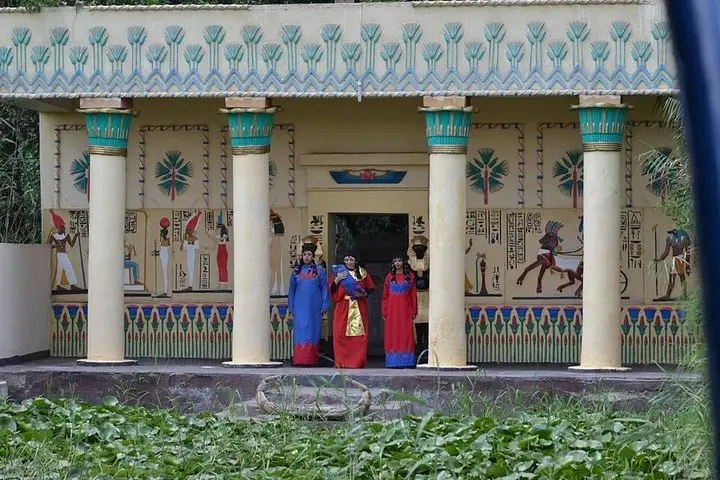
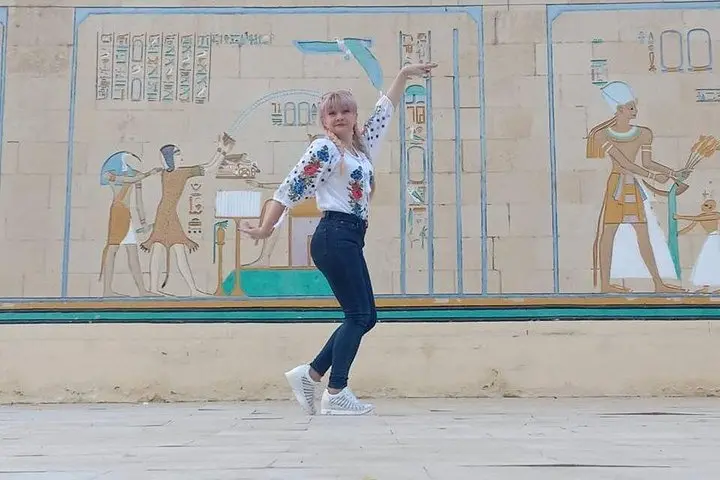
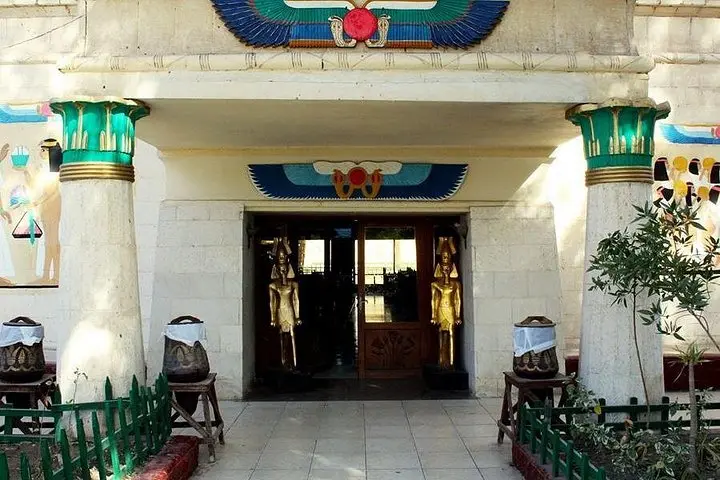
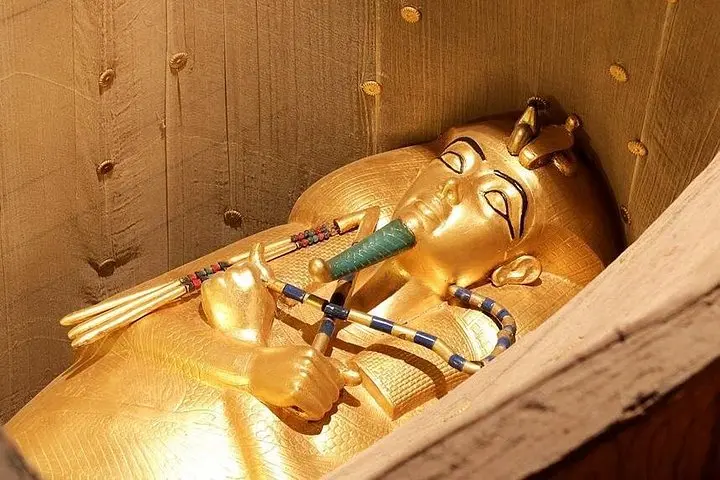
You step off an air‑conditioned car into a slice of ancient Egypt that moves and talks. Actors in linen and painted kohl guide you down a recreated lane of mudbrick houses, while a narrow channel of the Nile glints and dares you to imagine boats slipping past the riverbank centuries ago.
You step off an air‑conditioned car into a slice of ancient Egypt that moves and talks. Actors in linen and painted kohl guide you down a recreated lane of mudbrick houses, while a narrow channel of the Nile glints and dares you to imagine boats slipping past the riverbank centuries ago.
The Pharaonic Village is a staged living‑history site near central Cairo that interprets daily life during pharaonic eras. It focuses on social and domestic scenes — workshops, kitchens, and costume demonstrations — rather than archaeological excavation. Geologically you’re on the Nile’s floodplain, with the limestone ridges of the Giza Plateau rising nearby; that contrast — river lowlands beside stone quarries — shaped how ancient settlements grew here.
Culturally, the attraction compresses centuries of craft and ritual into short vignettes: potters shaping clay, bakers turning flatbreads, and costumed guides explaining household hierarchies. The experience is informal and family‑oriented, suitable for visitors who want tactile, visual context before or after visiting the pyramids and museums.
Practical guidance: the standard tour lasts about four hours with hotel pickup and return. Comfortable walking shoes and sun protection are essential; much of the visit is outdoors on compacted paths. Accessibility is generally good — ramps and paved areas exist — but check pickup details if mobility assistance is needed. Entrance fees and a bottled water are typically included in the package.
Timing matters: visit in the cooler morning or late afternoon to avoid Cairo’s peak sun and to see the actors outdoors in better light. Keep photography etiquette in mind around staged family scenes and always follow guides’ directions to protect sets and props.