THE ADVENTURE COLLECTIVE® · Independent discovery and booking for outdoor travel

Walk through a scaled recreation of pharaonic life near the Giza Plateau. This 2–3 hour guided tour with pickup, lunch and bottled water gives context to the monuments and a quick, sensory primer on ancient Egypt.
Walk through a scaled recreation of pharaonic life near the Giza Plateau. This 2–3 hour guided tour with pickup, lunch and bottled water gives context to the monuments and a quick, sensory primer on ancient Egypt.
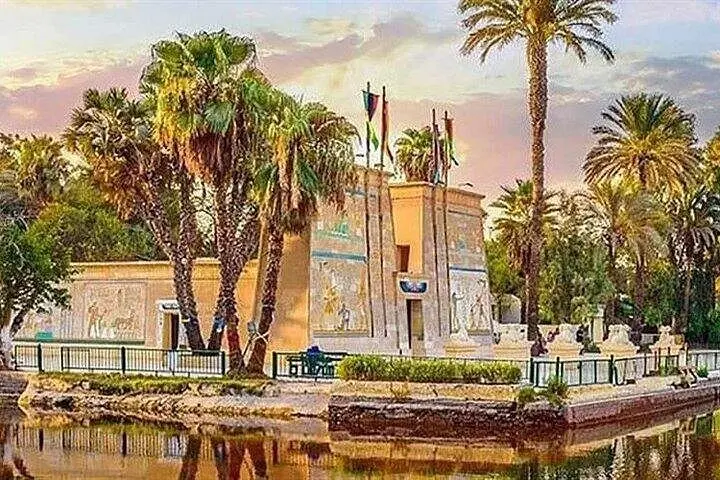
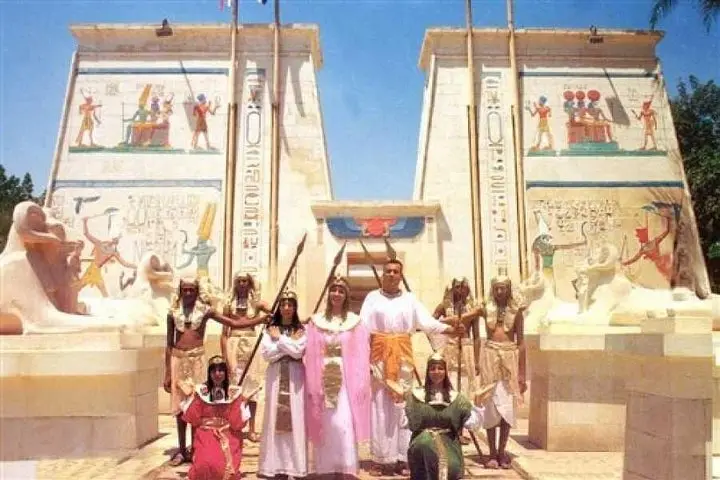
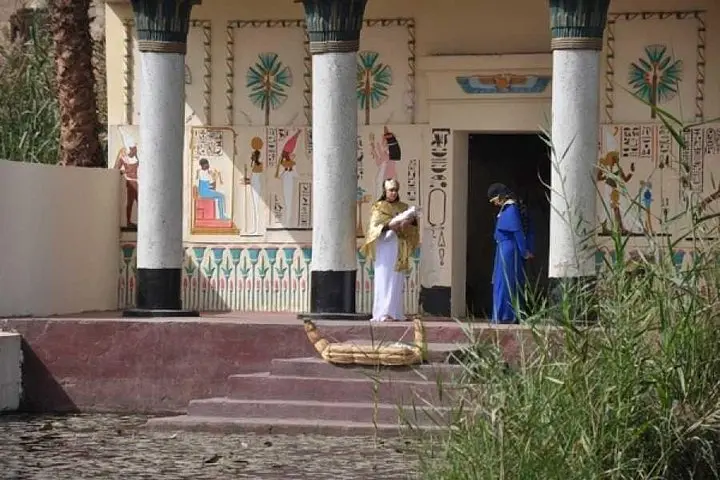
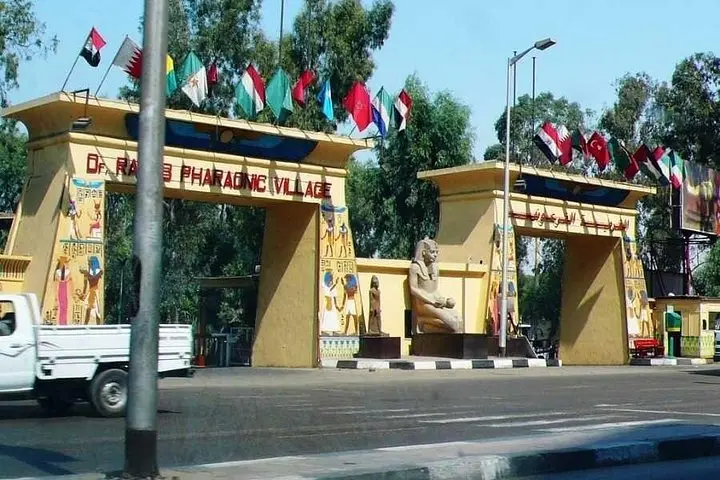
You step off the minivan and the air shifts — sun warming carved stone, guides calling softly, the Nile whispering not far away. The Pharaonic Village lays out a scaled, living map of ancient Egypt: reconstructed houses, craftsmen at their benches, and actors in linen and gold who make the past feel like a neighborhood you can walk through.
Verified experiences and guided adventures in the surrounding area.
Operated by Egyptian Daily Tours · Giza, Giza Governorate
You step off the minivan and the air shifts — sun warming carved stone, guides calling softly, the Nile whispering not far away. The Pharaonic Village lays out a scaled, living map of ancient Egypt: reconstructed houses, craftsmen at their benches, and actors in linen and gold who make the past feel like a neighborhood you can walk through.
Built to recreate daily life across the great dynasties, the village stitches history, material culture, and theatrical interpretation. Geology here is a background actor: the soft limestone of the Giza Plateau that birthed pyramids and was quarried into funerary architecture is visible in nearby outcrops. Culturally, the site condenses labor, religion and riverine trade into accessible exhibits — imagine reed boats pushed by the current as the Nile dares you to picture the commerce that fed pharaonic cities.
The visit is compact and practical: skip-the-line entry, a guided circuit through workshops and a recreated temple, then lunch at a local restaurant. Expect 2–3 hours of mostly flat walking on mixed paved and compacted earth surfaces.
Plan for heat and sun — mornings or late afternoons are best for cooler light and softer shadows on reliefs. Bring a hat, sunscreen and comfortable shoes; the tour includes bottled water and hotel pickup/drop-off. Note health restrictions for pregnant travelers and those with serious spinal or heart conditions. Photography is generally allowed; be respectful around actors and displays. With a short duration and a curated route, the Pharaonic Village is an efficient, sensory primer on pharaonic life for first-time visitors or repeat travelers wanting context for the pyramids.
Yes — pickup and drop-off from designated hotels in Giza/Cairo is included; you'll select your pickup point during booking.
The on-site experience typically lasts 1.5–2 hours within the overall 2–3 hour tour window including transport and lunch.
The tour involves walking on uneven surfaces; it’s not recommended for travelers with significant spinal or mobility restrictions — contact the operator with specific needs.
Generally yes for personal use, but be respectful of actors and any signs indicating restricted areas or no-flash policies.
Egyptian Daily Tours operates guided outdoor trips and adventures with an emphasis on safety, stewardship, and memorable experiences.
You step off the minivan and the air shifts — sun warming carved stone, guides calling softly, the Nile whispering not far away. The Pharaonic Village lays out a scaled, living map of ancient Egypt: reconstructed houses, craftsmen at their benches, and actors in linen and gold who make the past feel like a neighborhood you can walk through.
You step off the minivan and the air shifts — sun warming carved stone, guides calling softly, the Nile whispering not far away. The Pharaonic Village lays out a scaled, living map of ancient Egypt: reconstructed houses, craftsmen at their benches, and actors in linen and gold who make the past feel like a neighborhood you can walk through.
Built to recreate daily life across the great dynasties, the village stitches history, material culture, and theatrical interpretation. Geology here is a background actor: the soft limestone of the Giza Plateau that birthed pyramids and was quarried into funerary architecture is visible in nearby outcrops. Culturally, the site condenses labor, religion and riverine trade into accessible exhibits — imagine reed boats pushed by the current as the Nile dares you to picture the commerce that fed pharaonic cities.
The visit is compact and practical: skip-the-line entry, a guided circuit through workshops and a recreated temple, then lunch at a local restaurant. Expect 2–3 hours of mostly flat walking on mixed paved and compacted earth surfaces.
Plan for heat and sun — mornings or late afternoons are best for cooler light and softer shadows on reliefs. Bring a hat, sunscreen and comfortable shoes; the tour includes bottled water and hotel pickup/drop-off. Note health restrictions for pregnant travelers and those with serious spinal or heart conditions. Photography is generally allowed; be respectful around actors and displays. With a short duration and a curated route, the Pharaonic Village is an efficient, sensory primer on pharaonic life for first-time visitors or repeat travelers wanting context for the pyramids.