THE ADVENTURE COLLECTIVE® · Independent discovery and booking for outdoor travel

Experience reconstructed daily life of ancient Egypt at Cairo’s Pharaonic Village. This accessible, four-hour private tour mixes canal-side scenes, costumed interpreters and a local lunch to make the past feel immediate.
Experience reconstructed daily life of ancient Egypt at Cairo’s Pharaonic Village. This accessible, four-hour private tour mixes canal-side scenes, costumed interpreters and a local lunch to make the past feel immediate.
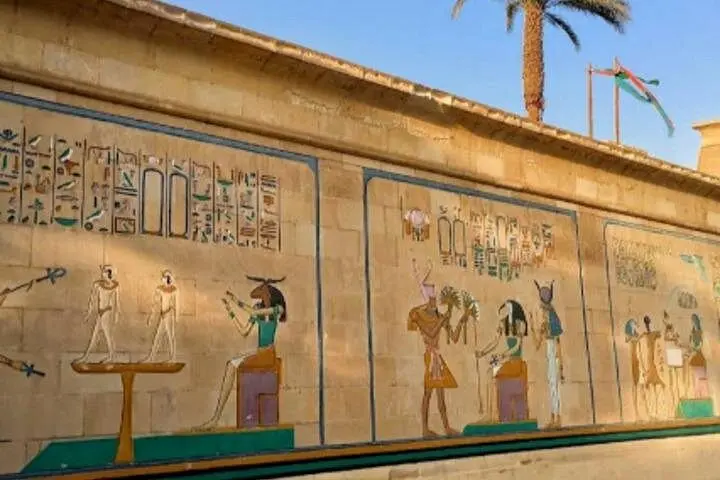
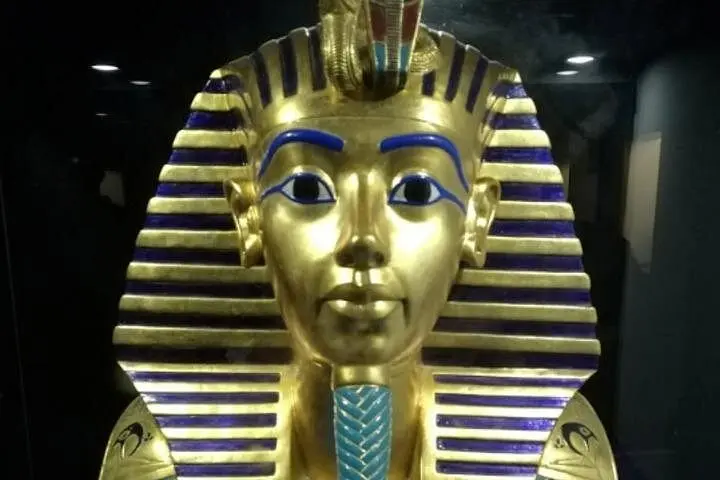
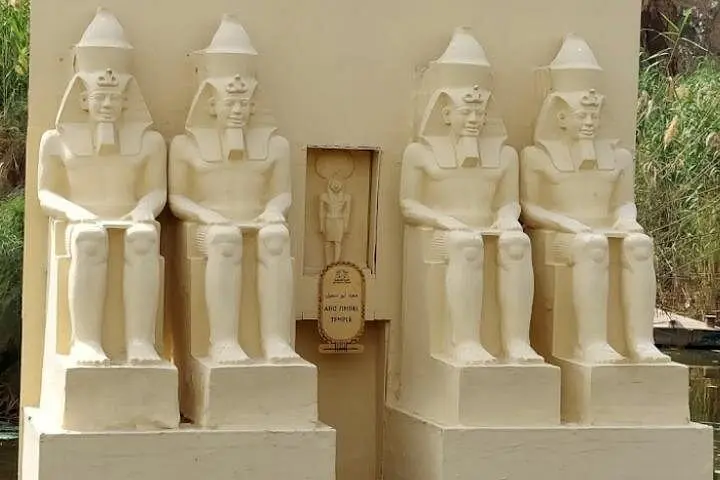
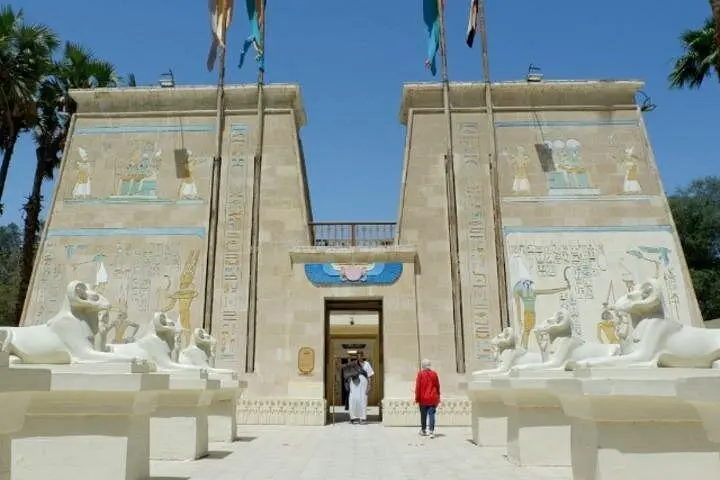
You step off an air-conditioned minivan onto a narrow island canal; reeds brush the hull and the Nile dares you to leave the city's roar behind. The Pharaonic Village spreads across landscaped channels and reconstructed banks, where life-size scenes of housewives, farmers and craftsmen unfold under a relentless Egyptian sun. Actors, models and painted reliefs reconstruct everyday rituals more than temple pomp — food preparation, pottery, boat-making — giving shape to how ordinary people lived alongside pharaohs.
Verified experiences and guided adventures in the surrounding area.
Operated by This is Egypt Tours · Cairo, Cairo Governorate
You step off an air-conditioned minivan onto a narrow island canal; reeds brush the hull and the Nile dares you to leave the city's roar behind. The Pharaonic Village spreads across landscaped channels and reconstructed banks, where life-size scenes of housewives, farmers and craftsmen unfold under a relentless Egyptian sun. Actors, models and painted reliefs reconstruct everyday rituals more than temple pomp — food preparation, pottery, boat-making — giving shape to how ordinary people lived alongside pharaohs.
The site interprets millennia of pharaonic culture rather than a single dynasty, and its canals echo the Nile’s role as the engine of Egyptian agriculture. Geologically the valley’s rich alluvial soils explain why settlements clustered here for thousands of years; culturally the village sits close to the Museum Quarter and modern Zamalek, offering a quick contrast between ancient systems and Cairo’s present-day life.
Practicalities are straightforward: the experience lasts about three hours on site within a four-hour total booking that includes private pickup and an included lunch at a local restaurant. Surfaces are mostly flat and wheelchair accessible, but sun exposure is high — wear a hat and sunscreen and carry a refillable water bottle. Photography is welcome; be respectful around actors and any staged religious scenes. Plan visits in the morning or late afternoon to avoid peak heat, and allow extra time if traveling from Cairo Airport or across the city at rush hour. The tour suits curious travelers who want a concentrated, accessible primer on daily life in ancient Egypt without a long museum deep-dive.
The booking is four hours total, with roughly three hours spent inside the village; travel time varies by pickup location.
Yes — the tour information lists wheelchair-accessible facilities and transportation for this site.
The itinerary includes a transfer to a local restaurant for lunch and bottled water is provided during the tour.
Photography is generally permitted, but you should ask before photographing performers and be sensitive around staged ritual scenes.
This is Egypt Tours operates guided outdoor trips and adventures with an emphasis on safety, stewardship, and memorable experiences.
You step off an air-conditioned minivan onto a narrow island canal; reeds brush the hull and the Nile dares you to leave the city's roar behind. The Pharaonic Village spreads across landscaped channels and reconstructed banks, where life-size scenes of housewives, farmers and craftsmen unfold under a relentless Egyptian sun. Actors, models and painted reliefs reconstruct everyday rituals more than temple pomp — food preparation, pottery, boat-making — giving shape to how ordinary people lived alongside pharaohs.
You step off an air-conditioned minivan onto a narrow island canal; reeds brush the hull and the Nile dares you to leave the city's roar behind. The Pharaonic Village spreads across landscaped channels and reconstructed banks, where life-size scenes of housewives, farmers and craftsmen unfold under a relentless Egyptian sun. Actors, models and painted reliefs reconstruct everyday rituals more than temple pomp — food preparation, pottery, boat-making — giving shape to how ordinary people lived alongside pharaohs.
The site interprets millennia of pharaonic culture rather than a single dynasty, and its canals echo the Nile’s role as the engine of Egyptian agriculture. Geologically the valley’s rich alluvial soils explain why settlements clustered here for thousands of years; culturally the village sits close to the Museum Quarter and modern Zamalek, offering a quick contrast between ancient systems and Cairo’s present-day life.
Practicalities are straightforward: the experience lasts about three hours on site within a four-hour total booking that includes private pickup and an included lunch at a local restaurant. Surfaces are mostly flat and wheelchair accessible, but sun exposure is high — wear a hat and sunscreen and carry a refillable water bottle. Photography is welcome; be respectful around actors and any staged religious scenes. Plan visits in the morning or late afternoon to avoid peak heat, and allow extra time if traveling from Cairo Airport or across the city at rush hour. The tour suits curious travelers who want a concentrated, accessible primer on daily life in ancient Egypt without a long museum deep-dive.