THE ADVENTURE COLLECTIVE® · Independent discovery and booking for outdoor travel

Spend a focused half-day in the Valley of 1000 Hills exploring Zulu traditions and meeting crocodiles and snakes at PheZulu. This accessible tour combines a dynamic dance show, guided cultural talks, and hands-on reptile encounters.
Spend a focused half-day in the Valley of 1000 Hills exploring Zulu traditions and meeting crocodiles and snakes at PheZulu. This accessible tour combines a dynamic dance show, guided cultural talks, and hands-on reptile encounters.
You step off the minibus into the Valley of 1000 Hills and the air shifts—earthy smoke from a cooking hearth, the rhythm of drums in the distance, and the low, deliberate hiss of life in the reptile enclosure.
Verified experiences and guided adventures in the surrounding area.
Operated by 1st Zulu Safaris · Durban, KwaZulu-Natal
You step off the minibus into the Valley of 1000 Hills and the air shifts—earthy smoke from a cooking hearth, the rhythm of drums in the distance, and the low, deliberate hiss of life in the reptile enclosure.
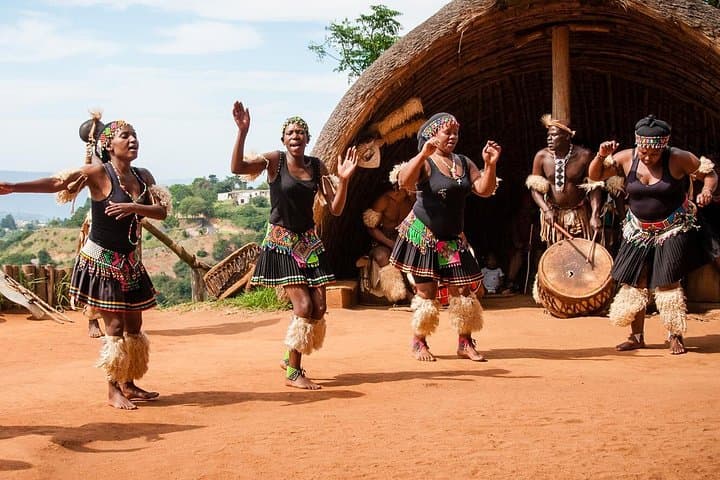
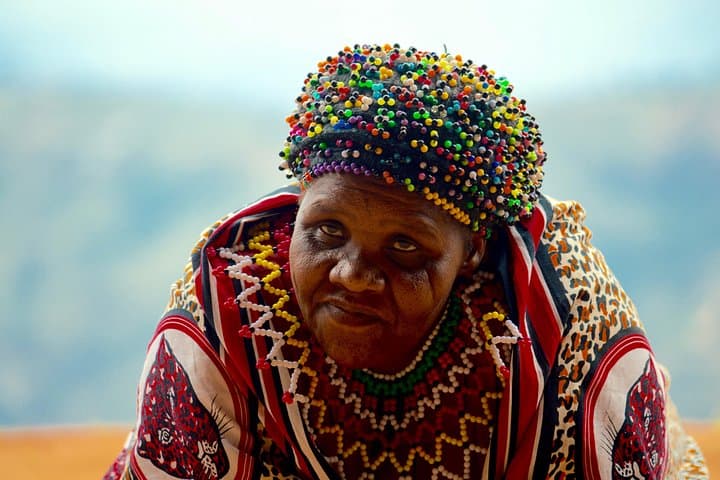
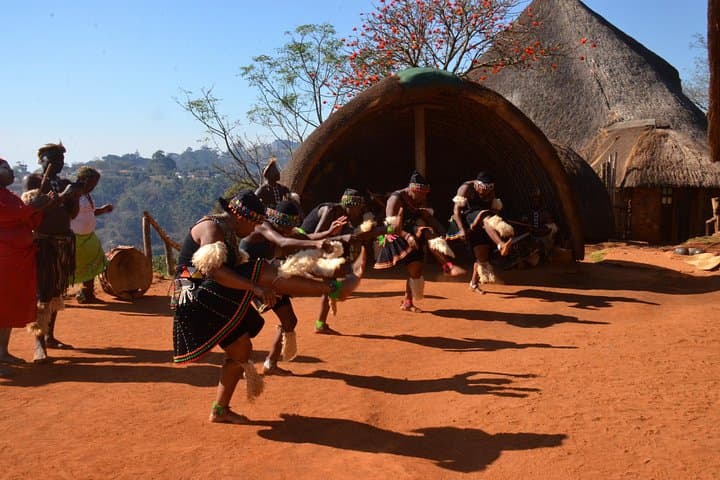
PheZulu’s beehive-shaped thatched huts stand on a slope that gives a clear line of sight across rolling hills carved from ancient basalt and sandstone. The village interprets Zulu cultural practices: beadwork, medicinal plant lore, and a 50-minute dance performance where dancers trace ancestral movement and competitive agility. Geologically, the valley is a product of KwaZulu-Natal’s uplifted plateau and river incision; cultural life here has long adapted to steep ridgelines and fertile river terraces.
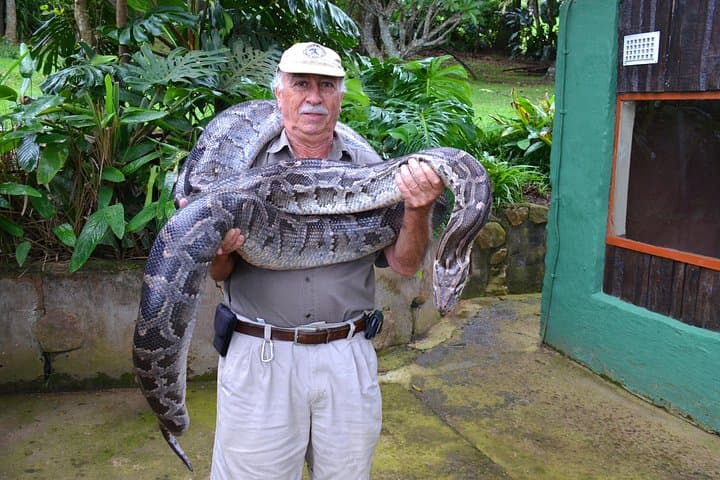
The reptile park juxtaposes that living culture with wildlife education—crocodiles laze in sunlit pools while guides explain crocodilian behavior and guests may hold Cleo, the Burmese python (notable at roughly 42 kg). Local guides often speak isiZulu and English, adding layered perspective on customs and conservation.
Practical edge: the tour runs about four hours with hotel or cruise-ship pickup and drop-off. Wear sturdy closed-toe shoes for uneven ground, bring sun protection and water, and carry a small amount of cash for crafts. The site is wheelchair-accessible in parts, but some huts and viewing areas use steps. Photography is welcome but ask before photographing people in ceremonial dress. Expect hands-on reptile demonstrations supervised by staff—follow safety briefings closely.
This is an accessible half-day mix of living culture and wildlife close to Durban, best timed for morning visits when dances and animal activity peak.
The guided tour is approximately four hours, including pickup and drop-off from Durban-area hotels or cruise terminals.
Children can view reptiles and may take part in supervised, hands-on sessions; infants must sit on laps and staff will advise age-appropriate interactions.
Guides often speak English and isiZulu; performances use traditional language and music, with explanations in English provided.
Key areas and transportation are wheelchair accessible, though some huts and elevated viewing points involve steps—notify the operator in advance for arrangements.
1st Zulu Safaris operates guided outdoor trips and adventures with an emphasis on safety, stewardship, and memorable experiences.
You step off the minibus into the Valley of 1000 Hills and the air shifts—earthy smoke from a cooking hearth, the rhythm of drums in the distance, and the low, deliberate hiss of life in the reptile enclosure.
You step off the minibus into the Valley of 1000 Hills and the air shifts—earthy smoke from a cooking hearth, the rhythm of drums in the distance, and the low, deliberate hiss of life in the reptile enclosure.
PheZulu’s beehive-shaped thatched huts stand on a slope that gives a clear line of sight across rolling hills carved from ancient basalt and sandstone. The village interprets Zulu cultural practices: beadwork, medicinal plant lore, and a 50-minute dance performance where dancers trace ancestral movement and competitive agility. Geologically, the valley is a product of KwaZulu-Natal’s uplifted plateau and river incision; cultural life here has long adapted to steep ridgelines and fertile river terraces.
The reptile park juxtaposes that living culture with wildlife education—crocodiles laze in sunlit pools while guides explain crocodilian behavior and guests may hold Cleo, the Burmese python (notable at roughly 42 kg). Local guides often speak isiZulu and English, adding layered perspective on customs and conservation.
Practical edge: the tour runs about four hours with hotel or cruise-ship pickup and drop-off. Wear sturdy closed-toe shoes for uneven ground, bring sun protection and water, and carry a small amount of cash for crafts. The site is wheelchair-accessible in parts, but some huts and viewing areas use steps. Photography is welcome but ask before photographing people in ceremonial dress. Expect hands-on reptile demonstrations supervised by staff—follow safety briefings closely.
This is an accessible half-day mix of living culture and wildlife close to Durban, best timed for morning visits when dances and animal activity peak.