THE ADVENTURE COLLECTIVE® · Independent discovery and booking for outdoor travel
A private 2.5-hour walk through Center City that maps Philadelphia’s architectural evolution from Gilded Age banks and Beaux-Arts showpieces to sleek modern towers. Ideal for architecture fans and history-minded travelers seeking an up-close urban itinerary.
A private 2.5-hour walk through Center City that maps Philadelphia’s architectural evolution from Gilded Age banks and Beaux-Arts showpieces to sleek modern towers. Ideal for architecture fans and history-minded travelers seeking an up-close urban itinerary.
You step off the subway into a corridor of stone, cast iron and plate glass; Center City presses in on all sides, the street grid acting like a spine and each block a chapter in Philadelphia’s architectural biography.
Verified experiences and guided adventures in the surrounding area.
Operated by phillyPHAT · Philadelphia, Pennsylvania
You step off the subway into a corridor of stone, cast iron and plate glass; Center City presses in on all sides, the street grid acting like a spine and each block a chapter in Philadelphia’s architectural biography.
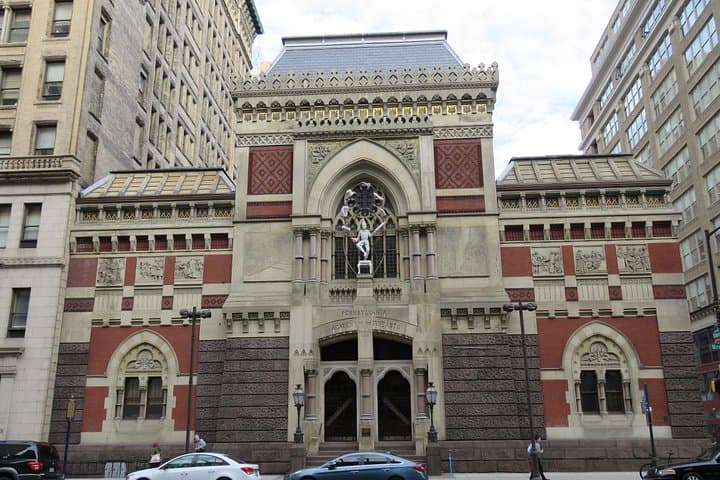
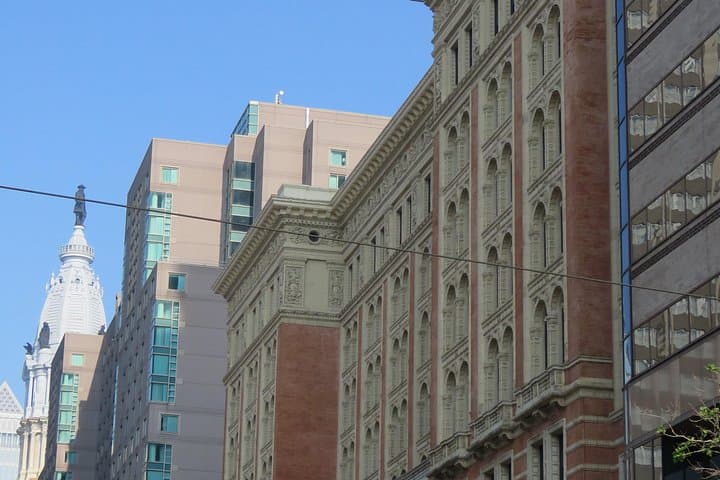
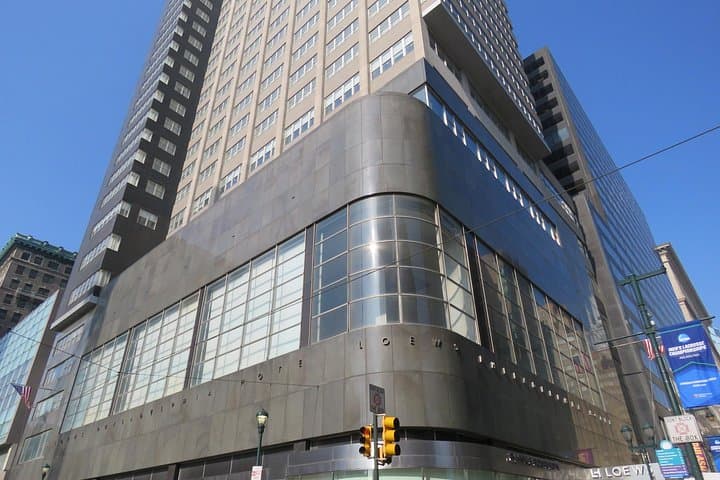
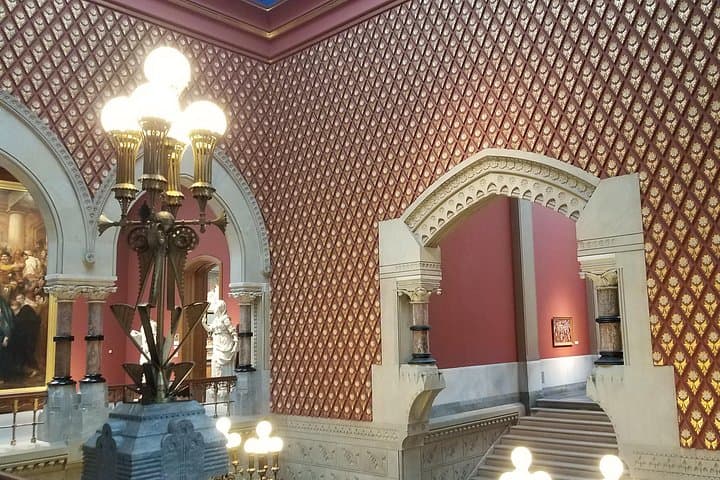
This 2.5-hour private walking tour threads through workaday avenues and grand façades — from Reading Terminal Market’s old-time food hall to Frank Furness’s muscular brickwork, the second-empire Baroque of bank buildings, and the sleek modern lines of late 20th-century towers. Philadelphia’s Gilded Age prosperity, fueled by industry and railroads, left behind embellishments in marble and bronze; the 20th century answered with steel and glass. The result is a visible timeline: Beaux-Arts ornament, Chicago School pragmatism, Art Deco ambition and contemporary glass curtain walls standing shoulder to shoulder.
Culturally, these blocks reflect commerce and civic pride; the Wanamaker Building and the old Pennsylvania Railroad headquarters mark the city’s role as a transportation and retail hub. Expect sidewalks, occasional cobblestone alleys, and small interior stops where you’ll peer into lobbies and arcades rather than full museum tours.
Practical guidance: plan for roughly 1.5–2 miles of mostly flat walking with frequent pauses — comfortable shoes and a light rain layer matter year-round. Use SEPTA to reach the meeting point near City Hall and allow time for restroom breaks and a quick coffee stop at Reading Terminal Market. Photographs are encouraged; respectful behavior in private lobbies and paid spaces keeps the route open for future groups.
Tours typically start near City Hall or a central Center City landmark and end at the Love sculpture (JFK Plaza) or nearby public square; confirm exact meeting point when you book.
Much of the route follows flat sidewalks and curb ramps, but some buildings have steps or restricted lobbies; contact the operator in advance for specific accessibility accommodations.
Guides will point out convenient stops like Reading Terminal Market for restrooms and food; any purchases are at your own expense.
Tipping is customary for private walking tours—10–20% of the tour cost or a cash tip based on service is appreciated.
phillyPHAT operates guided outdoor trips and adventures with an emphasis on safety, stewardship, and memorable experiences.
You step off the subway into a corridor of stone, cast iron and plate glass; Center City presses in on all sides, the street grid acting like a spine and each block a chapter in Philadelphia’s architectural biography.
You step off the subway into a corridor of stone, cast iron and plate glass; Center City presses in on all sides, the street grid acting like a spine and each block a chapter in Philadelphia’s architectural biography.
This 2.5-hour private walking tour threads through workaday avenues and grand façades — from Reading Terminal Market’s old-time food hall to Frank Furness’s muscular brickwork, the second-empire Baroque of bank buildings, and the sleek modern lines of late 20th-century towers. Philadelphia’s Gilded Age prosperity, fueled by industry and railroads, left behind embellishments in marble and bronze; the 20th century answered with steel and glass. The result is a visible timeline: Beaux-Arts ornament, Chicago School pragmatism, Art Deco ambition and contemporary glass curtain walls standing shoulder to shoulder.
Culturally, these blocks reflect commerce and civic pride; the Wanamaker Building and the old Pennsylvania Railroad headquarters mark the city’s role as a transportation and retail hub. Expect sidewalks, occasional cobblestone alleys, and small interior stops where you’ll peer into lobbies and arcades rather than full museum tours.
Practical guidance: plan for roughly 1.5–2 miles of mostly flat walking with frequent pauses — comfortable shoes and a light rain layer matter year-round. Use SEPTA to reach the meeting point near City Hall and allow time for restroom breaks and a quick coffee stop at Reading Terminal Market. Photographs are encouraged; respectful behavior in private lobbies and paid spaces keeps the route open for future groups.
