THE ADVENTURE COLLECTIVE® · Independent discovery and booking for outdoor travel

Cruise the Nile to Philae’s rescued temples, then glide to a colorful Nubian village for tea with locals. This half-day motorboat and felucca tour pairs monumental history with living culture.
Cruise the Nile to Philae’s rescued temples, then glide to a colorful Nubian village for tea with locals. This half-day motorboat and felucca tour pairs monumental history with living culture.
The motorboat slips away from Aswan at first light, the Nile pushing you downriver as the sun strips the chill from the water. Philae’s limestone pylons rise like carved thresholds above the surface, their reliefs sharp despite centuries of wind and flood. Later a narrower channel opens toward the painted houses of a Nubian village, where color and conversation replace the temple’s hush.
Verified experiences and guided adventures in the surrounding area.
Operated by Blue Tours · Aswan, Aswan Governorate
The motorboat slips away from Aswan at first light, the Nile pushing you downriver as the sun strips the chill from the water. Philae’s limestone pylons rise like carved thresholds above the surface, their reliefs sharp despite centuries of wind and flood. Later a narrower channel opens toward the painted houses of a Nubian village, where color and conversation replace the temple’s hush.
Philae preserves a late chapter of ancient Egyptian religion: a temple complex relocated stone-by-stone during the Aswan High Dam project to avoid inundation. The site shows Ptolemaic and Roman-era architecture — hypostyle halls, mammisi birth houses, and the Kiosk of Trajan — with traces of later Coptic occupation. Downriver, Nubian villages maintain a living culture; their brightly painted façades, spice stalls and oral language are as much a historical record as any inscription.
Expect easy walking on uneven temple pavements, short boat transfers (motorboat and traditional felucca), and a one-hour home visit with tea. Photographers will favor the Kiosk’s columns and the village’s painted alleys; birders can scan riverbanks for herons and kingfishers. Practicalities: start early to beat heat, carry cash for market purchases and tips, and wear sturdy sandals—steps and wet stones are common. Guides explain the rescue of Philae’s monuments and introduce local crafts, while hosts in Nubia offer spices and stories. The trip blends archaeology, river travel, and community visit in a compact half-day that’s accessible and richly textured.
According to the tour itinerary, admission is included for the temple complex as part of the guided visit.
The operator lists wheelchair accessibility, though some temple areas have uneven surfaces—confirm on booking for specific assistance.
Transfers from hotels and Nile cruises are provided by air-conditioned vehicle; confirm your pickup point at time of booking.
Yes—shops sell spices, nuts and textiles; bring cash and be prepared to bargain politely for souvenirs.
Blue Tours operates guided outdoor trips and adventures with an emphasis on safety, stewardship, and memorable experiences.
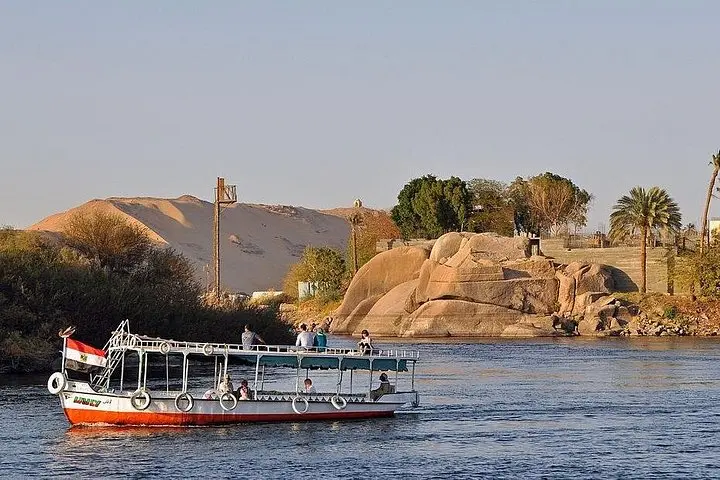
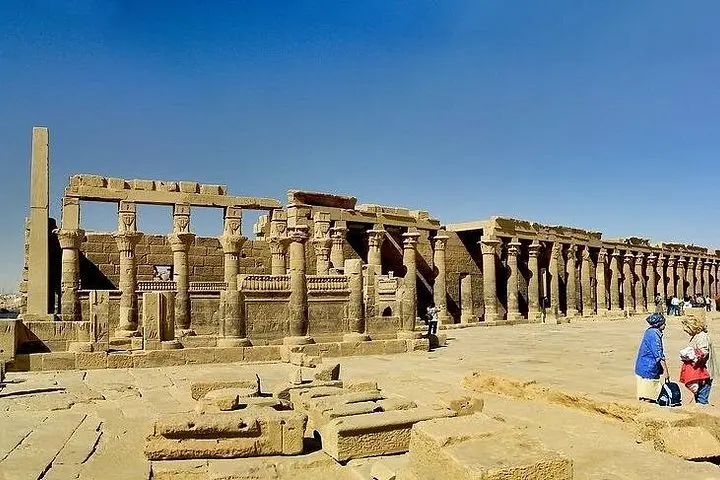
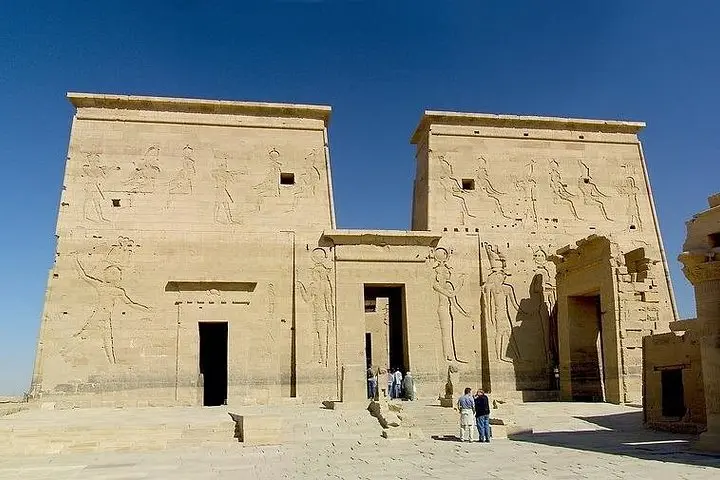
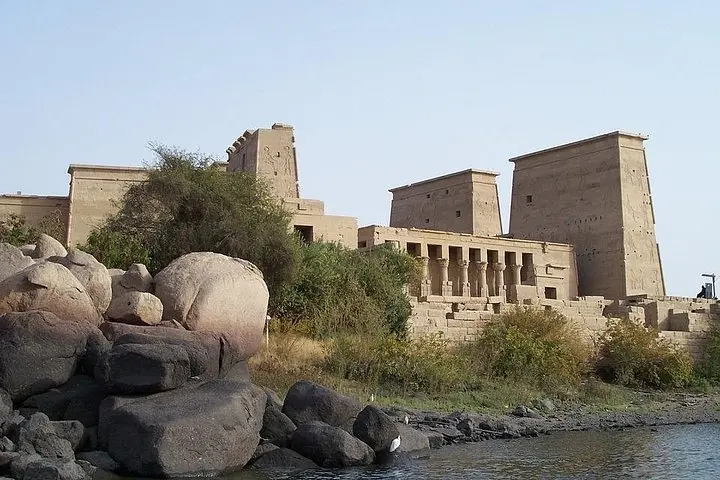
The motorboat slips away from Aswan at first light, the Nile pushing you downriver as the sun strips the chill from the water. Philae’s limestone pylons rise like carved thresholds above the surface, their reliefs sharp despite centuries of wind and flood. Later a narrower channel opens toward the painted houses of a Nubian village, where color and conversation replace the temple’s hush.
The motorboat slips away from Aswan at first light, the Nile pushing you downriver as the sun strips the chill from the water. Philae’s limestone pylons rise like carved thresholds above the surface, their reliefs sharp despite centuries of wind and flood. Later a narrower channel opens toward the painted houses of a Nubian village, where color and conversation replace the temple’s hush.
Philae preserves a late chapter of ancient Egyptian religion: a temple complex relocated stone-by-stone during the Aswan High Dam project to avoid inundation. The site shows Ptolemaic and Roman-era architecture — hypostyle halls, mammisi birth houses, and the Kiosk of Trajan — with traces of later Coptic occupation. Downriver, Nubian villages maintain a living culture; their brightly painted façades, spice stalls and oral language are as much a historical record as any inscription.
Expect easy walking on uneven temple pavements, short boat transfers (motorboat and traditional felucca), and a one-hour home visit with tea. Photographers will favor the Kiosk’s columns and the village’s painted alleys; birders can scan riverbanks for herons and kingfishers. Practicalities: start early to beat heat, carry cash for market purchases and tips, and wear sturdy sandals—steps and wet stones are common. Guides explain the rescue of Philae’s monuments and introduce local crafts, while hosts in Nubia offer spices and stories. The trip blends archaeology, river travel, and community visit in a compact half-day that’s accessible and richly textured.