THE ADVENTURE COLLECTIVE® · Independent discovery and booking for outdoor travel

A private, full-day excursion from Aswan that combines a boat approach to the relocated Philae Temple with time spent in a nearby Nubian village. Expect river crossings, easy walking through ancient ruins, and direct cultural exchange with local families.
A private, full-day excursion from Aswan that combines a boat approach to the relocated Philae Temple with time spent in a nearby Nubian village. Expect river crossings, easy walking through ancient ruins, and direct cultural exchange with local families.
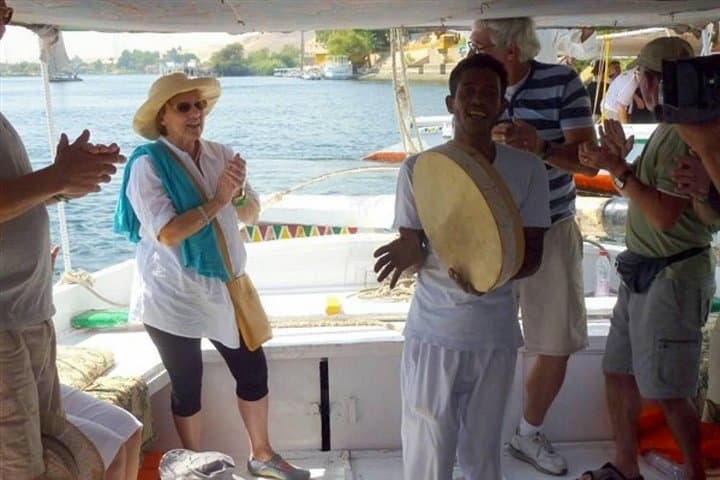
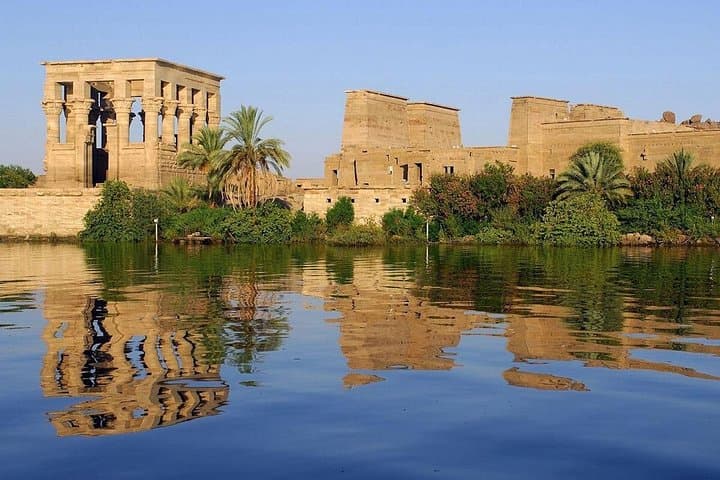
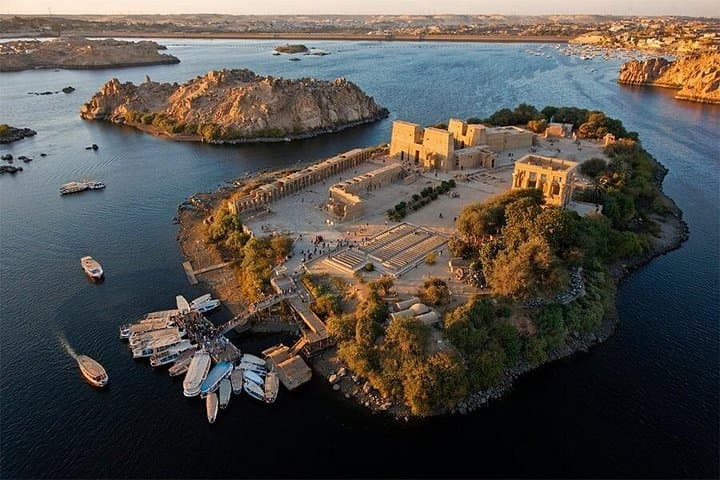
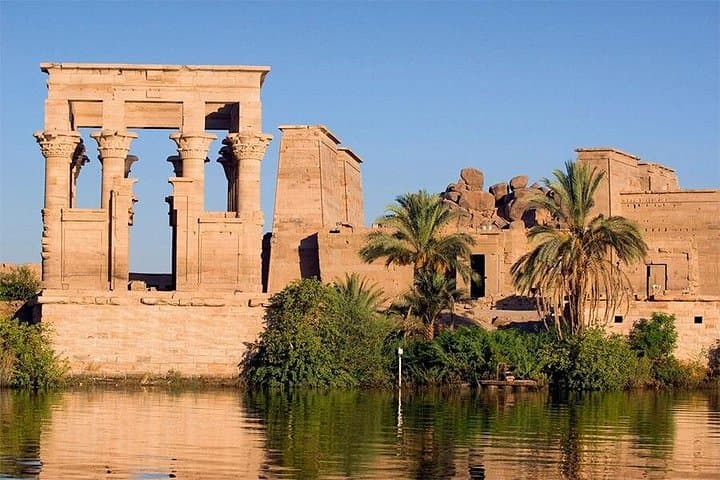
Early light slices across the Nile; palm fronds click like fingers as the motorboat pushes off and the river seems to dare you to slow down. You arrive at Agilkia Island, where Philae’s stone pylons rise from the water’s edge — an island-temple moved and reassembled brick by painstaking brick to escape the High Dam’s flood. The air tastes faintly of river and spice.
Verified experiences and guided adventures in the surrounding area.
Operated by Get Egypt Vacation · Aswan, Aswan Governorate
Early light slices across the Nile; palm fronds click like fingers as the motorboat pushes off and the river seems to dare you to slow down. You arrive at Agilkia Island, where Philae’s stone pylons rise from the water’s edge — an island-temple moved and reassembled brick by painstaking brick to escape the High Dam’s flood. The air tastes faintly of river and spice.
Philae is a compact lesson in Ptolemaic and Roman-era Egypt: reliefs of Isis and Horus, colonnades scored by centuries of wind and flood, inscriptions that track a cultural handover from pharaonic gods to later influences. Geologically, the Aswan area is granite country — the same hard stone that builders quarried for obelisks and temple blocks — and that solidity contrasts with the flowing Nile that carved the valley and sustained Nubian life.
Across the water, the Nubian village near Soheil Island presents painted houses, palm groves, and a living craft tradition. Conversations with local families open practical windows into seasonal farming, boat-making, and textile work; buying a small handicraft supports both livelihood and cultural continuity.
Practical guidance: this private, six-hour excursion is mostly low-impact walking and short boat transfers. Expect strong sun, occasional wind on the river, and uneven temple steps. Bring sun protection, refillable water, comfortable shoes with grip, and local currency for small purchases. Aim for morning departures to avoid the peak heat and to catch softer light on the temple reliefs.
Yes — admission to Philae Temple is included in this private tour's booking as stated by the itinerary.
Pickup and drop-off to Aswan hotels are included, making logistics straightforward for this full-day private tour.
Expect mostly easy walking with some stairs at the temple and short distances within the Nubian village; the tour is labeled suitable for all fitness levels.
Yes — the village has local craftsmen selling textiles, pottery, and small handicrafts; carry small bills in Egyptian pounds for purchases.
Get Egypt Vacation operates guided outdoor trips and adventures with an emphasis on safety, stewardship, and memorable experiences.
Early light slices across the Nile; palm fronds click like fingers as the motorboat pushes off and the river seems to dare you to slow down. You arrive at Agilkia Island, where Philae’s stone pylons rise from the water’s edge — an island-temple moved and reassembled brick by painstaking brick to escape the High Dam’s flood. The air tastes faintly of river and spice.
Early light slices across the Nile; palm fronds click like fingers as the motorboat pushes off and the river seems to dare you to slow down. You arrive at Agilkia Island, where Philae’s stone pylons rise from the water’s edge — an island-temple moved and reassembled brick by painstaking brick to escape the High Dam’s flood. The air tastes faintly of river and spice.
Philae is a compact lesson in Ptolemaic and Roman-era Egypt: reliefs of Isis and Horus, colonnades scored by centuries of wind and flood, inscriptions that track a cultural handover from pharaonic gods to later influences. Geologically, the Aswan area is granite country — the same hard stone that builders quarried for obelisks and temple blocks — and that solidity contrasts with the flowing Nile that carved the valley and sustained Nubian life.
Across the water, the Nubian village near Soheil Island presents painted houses, palm groves, and a living craft tradition. Conversations with local families open practical windows into seasonal farming, boat-making, and textile work; buying a small handicraft supports both livelihood and cultural continuity.
Practical guidance: this private, six-hour excursion is mostly low-impact walking and short boat transfers. Expect strong sun, occasional wind on the river, and uneven temple steps. Bring sun protection, refillable water, comfortable shoes with grip, and local currency for small purchases. Aim for morning departures to avoid the peak heat and to catch softer light on the temple reliefs.