THE ADVENTURE COLLECTIVE® · Independent discovery and booking for outdoor travel

Clip into a route that sits between hiking and climbing: the Philémon Crossing on the route des crêtes offers exposed ledges, a 90m abseil and sweeping calanque views in a four-hour half-day adventure.
Clip into a route that sits between hiking and climbing: the Philémon Crossing on the route des crêtes offers exposed ledges, a 90m abseil and sweeping calanque views in a four-hour half-day adventure.
You step onto the route des crêtes with the sea at your left — the rock warm under your palm, wind pulling at the rope as the cliff drops away. The Philémon Crossing threads narrow ledges, fixed cables and occasional steel rungs that bridge hiking and exposed climbing. Over four hours you'll clip, scramble and abseil; one rappel exceeds 90 meters and gives an unfiltered view into the calanques below.
Verified experiences and guided adventures in the surrounding area.
Operated by Guillaume Mottet · La Ciotat, Provence-Alpes-Côte d'Azur
You step onto the route des crêtes with the sea at your left — the rock warm under your palm, wind pulling at the rope as the cliff drops away. The Philémon Crossing threads narrow ledges, fixed cables and occasional steel rungs that bridge hiking and exposed climbing. Over four hours you'll clip, scramble and abseil; one rappel exceeds 90 meters and gives an unfiltered view into the calanques below.
Geology here is limestone sculpted by Mediterranean weathering: sheer faces, karst hollows and terraces that record millions of years of uplift. The route sits between La Ciotat and Cassis, two coastal towns with maritime history tied to shipbuilding and fishing; locals still use the calanques for seasonal grazing and small-scale fishing.
Culturally the area blends Provençal seaside life with outdoor sport — expect French signage on the main roads and English at guiding outfits. The route’s exposed character makes it feel remote, but access is straightforward from the road de crêtes and public transport options reach La Ciotat.
Practical guidance: arrive with sturdy footwear (approach involves uneven limestone and scree), bring 1–1.5 liters of water, and layer for wind even on warm days. Guides supply climbing gear and instruction, but you'll need a moderate level of fitness and comfort on exposed terrain. Start in the morning to avoid the southerly heat and check sea and weather forecasts — operators cancel in bad conditions. For a half-day that combines hiking, technical ropework and coastal panoramas, Philémon Crossing is compact, demanding and richly scenic.
No prior climbing experience is required; guides provide instruction on rope techniques, but you should be comfortable with exposure and basic scrambling.
Participants should have at least a moderate fitness level; operators generally accept teens and adults but check with the provider for age limits.
The long rappel is a highlight of the route; guides will assess conditions and participants, but it is typically part of the itinerary.
Access is via the route des crêtes; many operators meet near La Ciotat and public transport reaches town—you'll likely need a short transfer or a 20–40 minute walk to the start.
Guillaume Mottet operates guided outdoor trips and adventures with an emphasis on safety, stewardship, and memorable experiences.
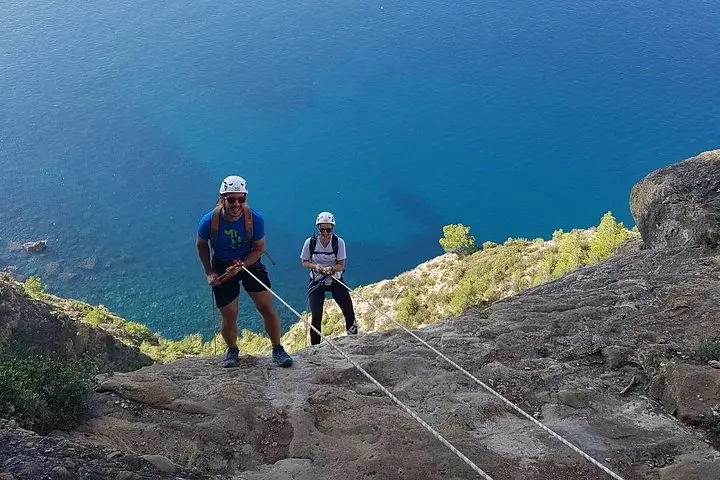
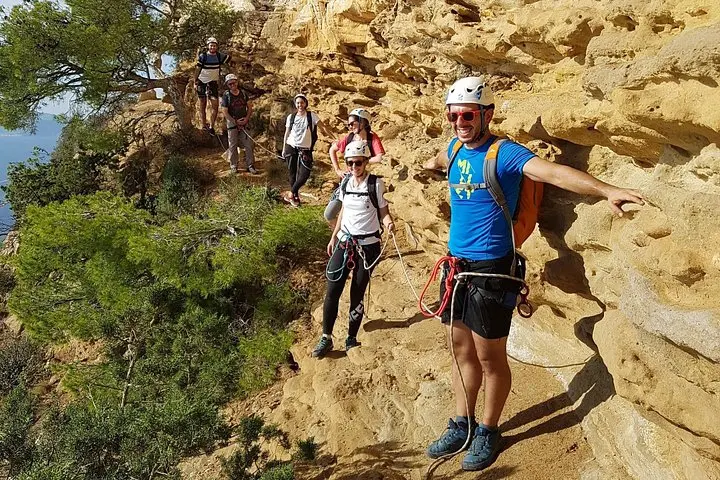
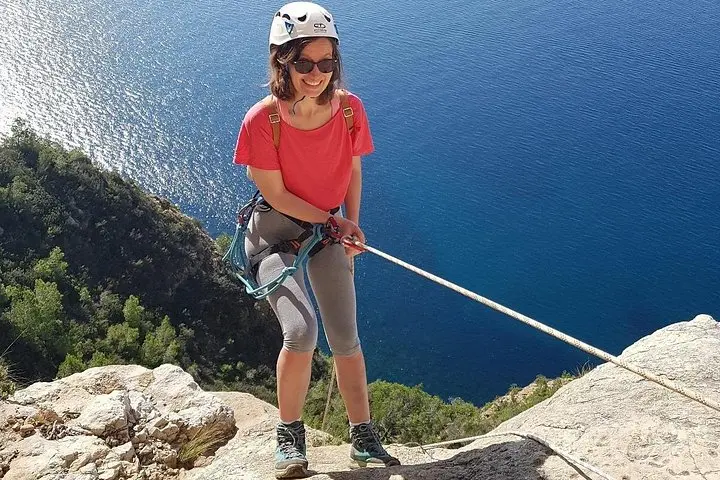
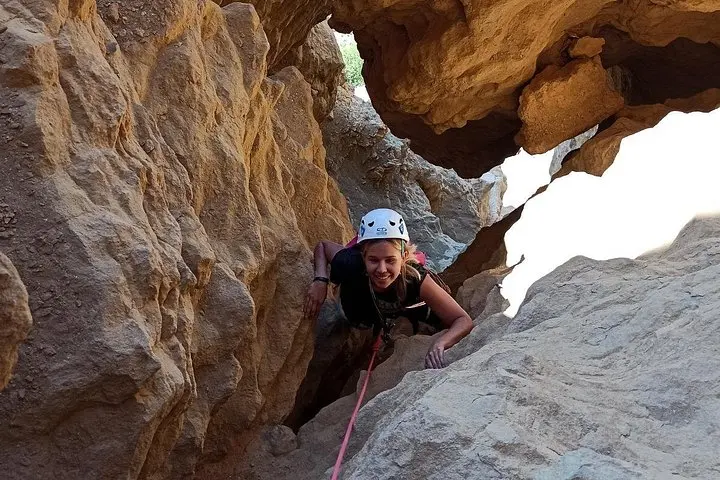
You step onto the route des crêtes with the sea at your left — the rock warm under your palm, wind pulling at the rope as the cliff drops away. The Philémon Crossing threads narrow ledges, fixed cables and occasional steel rungs that bridge hiking and exposed climbing. Over four hours you'll clip, scramble and abseil; one rappel exceeds 90 meters and gives an unfiltered view into the calanques below.
You step onto the route des crêtes with the sea at your left — the rock warm under your palm, wind pulling at the rope as the cliff drops away. The Philémon Crossing threads narrow ledges, fixed cables and occasional steel rungs that bridge hiking and exposed climbing. Over four hours you'll clip, scramble and abseil; one rappel exceeds 90 meters and gives an unfiltered view into the calanques below.
Geology here is limestone sculpted by Mediterranean weathering: sheer faces, karst hollows and terraces that record millions of years of uplift. The route sits between La Ciotat and Cassis, two coastal towns with maritime history tied to shipbuilding and fishing; locals still use the calanques for seasonal grazing and small-scale fishing.
Culturally the area blends Provençal seaside life with outdoor sport — expect French signage on the main roads and English at guiding outfits. The route’s exposed character makes it feel remote, but access is straightforward from the road de crêtes and public transport options reach La Ciotat.
Practical guidance: arrive with sturdy footwear (approach involves uneven limestone and scree), bring 1–1.5 liters of water, and layer for wind even on warm days. Guides supply climbing gear and instruction, but you'll need a moderate level of fitness and comfort on exposed terrain. Start in the morning to avoid the southerly heat and check sea and weather forecasts — operators cancel in bad conditions. For a half-day that combines hiking, technical ropework and coastal panoramas, Philémon Crossing is compact, demanding and richly scenic.