THE ADVENTURE COLLECTIVE® · Independent discovery and booking for outdoor travel

Set out from Cowes for a four-hour circumnavigation of Phillip Island where fur seals, dolphins and migratory whales pass through the Bass Strait. This guided cruise blends live commentary, morning tea and excellent chances to spot humpbacks and southern right whales during winter months.
Set out from Cowes for a four-hour circumnavigation of Phillip Island where fur seals, dolphins and migratory whales pass through the Bass Strait. This guided cruise blends live commentary, morning tea and excellent chances to spot humpbacks and southern right whales during winter months.
A low swell bumps the hull as the island wheel of bush and bluff recedes into a ribbon of green. Morning spray tastes like salt and coffee; seabirds wheel above as the captain eases toward Seal Rocks where thousands of fur seals crowd the black outcrop and the ocean seems to pulse with life.
Verified experiences and guided adventures in the surrounding area.
Operated by Wildlife Coast Cruises · Cowes, Victoria
A low swell bumps the hull as the island wheel of bush and bluff recedes into a ribbon of green. Morning spray tastes like salt and coffee; seabirds wheel above as the captain eases toward Seal Rocks where thousands of fur seals crowd the black outcrop and the ocean seems to pulse with life.
The cruise threads the edge of Phillip Island into the Bass Strait migration corridor. Currents sculp the coastline here—rocky outcrops and offshore stacks formed by the relentless push of sea and wind—and those features concentrate food that draws penguins, albatrosses and cetaceans. European sealing and fishing shaped local towns; today tourism and conservation—especially the Little Penguin rookeries and protected marine zones—define much of the island’s identity.
On a four-hour circumnavigation you’ll hear live commentary from guides who point out identification marks on Humpbacks and Southern Right Whales, and explain why dolphins ride the bow wave with reckless joy. The trip is sensory: the slap of a fluke, the gasp of a breach, salt on your jacket, the Captain’s binocular trained on a distant spout.
Practicalities matter. Tours depart from Cowes or nearby piers; allow extra time for island traffic and parking. Sightings are most likely in winter migration (June–August) but are never guaranteed. Dress in windproof layers, bring binoculars and a zoom lens, and consider seasickness prevention. Morning tea is typically provided—use that break to scan the horizon. The experience balances patient watching with sudden, memorable encounters: the sea invites you in, then demands you pay attention.
Sightings vary by season: winter migration (June–August) typically yields the highest odds—operators estimate a 70–90% sighting rate then, but sightings are not guaranteed.
Most whale-watching trips depart from Cowes or nearby island piers; confirm your boarding location on your ticket and arrive early for check-in.
Yes—this operator allows strollers and provides infant seats; children should remain supervised on deck and wear life jackets if required.
Morning tea is usually provided; check with the operator about bringing additional snacks and notify them of dietary requirements at booking.
Wildlife Coast Cruises operates guided outdoor trips and adventures with an emphasis on safety, stewardship, and memorable experiences.
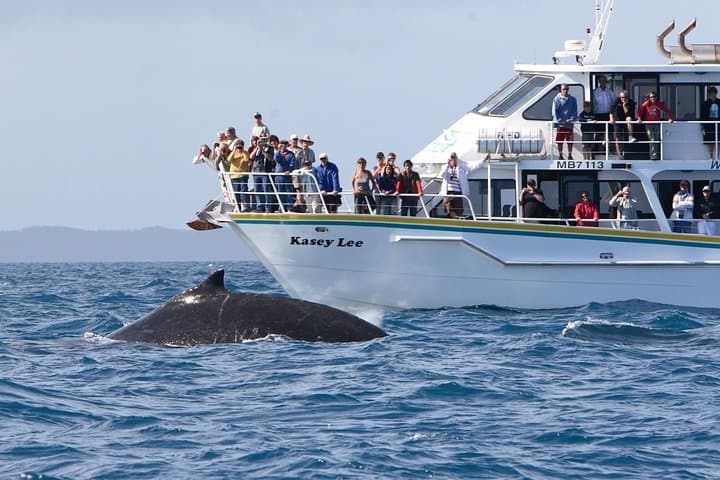


A low swell bumps the hull as the island wheel of bush and bluff recedes into a ribbon of green. Morning spray tastes like salt and coffee; seabirds wheel above as the captain eases toward Seal Rocks where thousands of fur seals crowd the black outcrop and the ocean seems to pulse with life.
A low swell bumps the hull as the island wheel of bush and bluff recedes into a ribbon of green. Morning spray tastes like salt and coffee; seabirds wheel above as the captain eases toward Seal Rocks where thousands of fur seals crowd the black outcrop and the ocean seems to pulse with life.
The cruise threads the edge of Phillip Island into the Bass Strait migration corridor. Currents sculp the coastline here—rocky outcrops and offshore stacks formed by the relentless push of sea and wind—and those features concentrate food that draws penguins, albatrosses and cetaceans. European sealing and fishing shaped local towns; today tourism and conservation—especially the Little Penguin rookeries and protected marine zones—define much of the island’s identity.
On a four-hour circumnavigation you’ll hear live commentary from guides who point out identification marks on Humpbacks and Southern Right Whales, and explain why dolphins ride the bow wave with reckless joy. The trip is sensory: the slap of a fluke, the gasp of a breach, salt on your jacket, the Captain’s binocular trained on a distant spout.
Practicalities matter. Tours depart from Cowes or nearby piers; allow extra time for island traffic and parking. Sightings are most likely in winter migration (June–August) but are never guaranteed. Dress in windproof layers, bring binoculars and a zoom lens, and consider seasickness prevention. Morning tea is typically provided—use that break to scan the horizon. The experience balances patient watching with sudden, memorable encounters: the sea invites you in, then demands you pay attention.