THE ADVENTURE COLLECTIVE® · Independent discovery and booking for outdoor travel

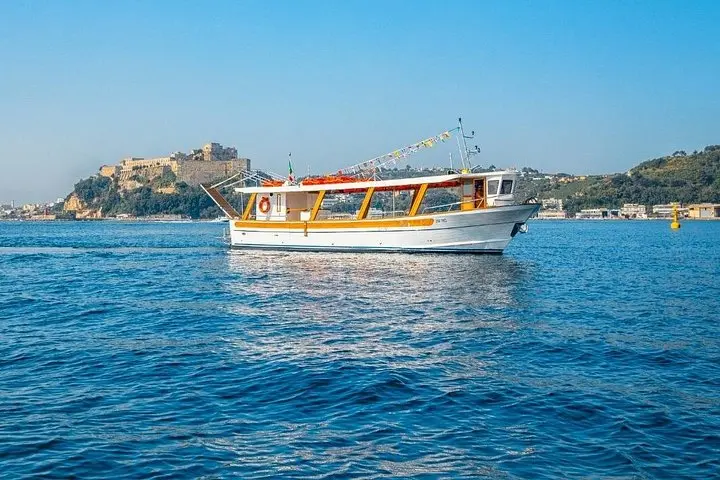
Board the Iris for a six‑hour cruise through the Phlegraean Gulf—view submerged Roman mosaics at Baia, swim off Capo Miseno where ancient fleets sheltered, and savor a seafood lunch on deck. This relaxed coastal voyage pairs geology and history with two long swim stops.
Board the Iris for a six‑hour cruise through the Phlegraean Gulf—view submerged Roman mosaics at Baia, swim off Capo Miseno where ancient fleets sheltered, and savor a seafood lunch on deck. This relaxed coastal voyage pairs geology and history with two long swim stops.
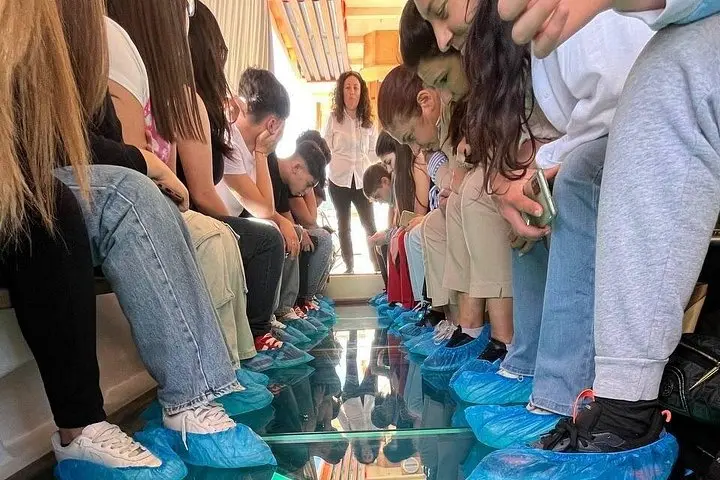
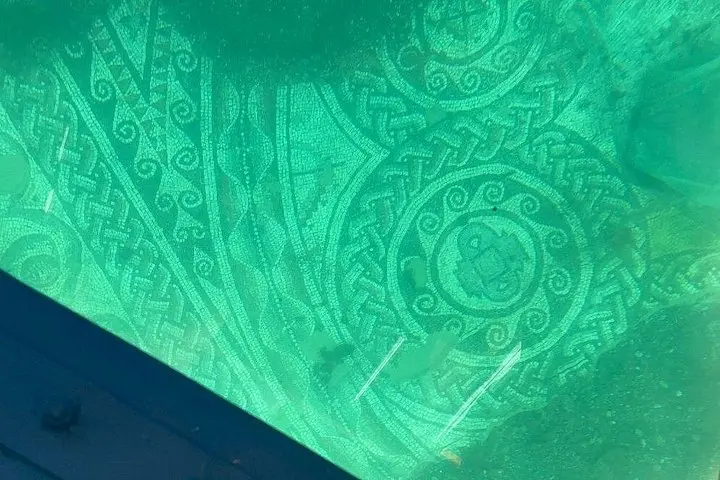
You step aboard the Iris and the Gulf opens like a folded map—salted wind pushing at the rail, the boat’s transparent hull sketching the submerged ruins beneath. The first approach is to Baia: mosaics and fallen columns lie ghosted below blue water while sunlight fractures across old tile and marine growth.
Verified experiences and guided adventures in the surrounding area.
Operated by Lomar Dreams Iris Baia Sommersa · Bacoli, Campania
You step aboard the Iris and the Gulf opens like a folded map—salted wind pushing at the rail, the boat’s transparent hull sketching the submerged ruins beneath. The first approach is to Baia: mosaics and fallen columns lie ghosted below blue water while sunlight fractures across old tile and marine growth.
The Phlegraean Fields are volcanic—Monte Nuovo rose in a single night in 1538—and those eruptions shaped a coastline of promontories, sheltered bays, and the sunken thermal villas of Roman Baia. From the deck, guides point out the Aragonese Castle at Pozzuoli and the truncated cone of Monte Nuovo, weaving geology with the Roman histories of naval fleets and seaside leisure. Local culture here still centers on the sea and fresh produce—expect Phlegraean tomatoes, buffalo mozzarella, and seafood that echo the region’s culinary DNA.
Practically: this is a 6‑hour minicruise that mixes observation and swimming. Stops include a short view over the submerged mosaics (from the boat or via guided snorkel options if offered), a swimming and lunch stop off Capo Miseno where Romans kept their fleet, and a long swim near Lucrino and the nymphaeum of Claudius. Wear non‑slip deck shoes, bring reef‑safe sunscreen, a light wind layer, and a dry bag for electronics. Hydrate before boarding and time arrivals to the port at least 20 minutes early—the boarding area in Baia is compact.
The trip is low‑effort but high on coastal storytelling and clear Mediterranean water: an accessible way to sample Phlegraean history, geology, and slow Sundrenched swimming without a long overnight commitment.
Typical departures are from the port area at Baia (Bacoli); exact boarding point and time are provided at booking and should be confirmed the day before.
Swim stops are monitored by crew; non‑swimmers can stay on board or use flotation aids if provided—advise the operator at booking about swimming ability.
Yes—lunch is included and typically features local specialties like caprese, freselle, mussels, seasonal fruit, and one drink per person as listed in the tour inclusions.
The boat and boarding areas are listed as wheelchair accessible, but availability of full assistance can vary—contact the operator ahead to arrange help and confirm boarding logistics.
Lomar Dreams Iris Baia Sommersa operates guided outdoor trips and adventures with an emphasis on safety, stewardship, and memorable experiences.
You step aboard the Iris and the Gulf opens like a folded map—salted wind pushing at the rail, the boat’s transparent hull sketching the submerged ruins beneath. The first approach is to Baia: mosaics and fallen columns lie ghosted below blue water while sunlight fractures across old tile and marine growth.
You step aboard the Iris and the Gulf opens like a folded map—salted wind pushing at the rail, the boat’s transparent hull sketching the submerged ruins beneath. The first approach is to Baia: mosaics and fallen columns lie ghosted below blue water while sunlight fractures across old tile and marine growth.
The Phlegraean Fields are volcanic—Monte Nuovo rose in a single night in 1538—and those eruptions shaped a coastline of promontories, sheltered bays, and the sunken thermal villas of Roman Baia. From the deck, guides point out the Aragonese Castle at Pozzuoli and the truncated cone of Monte Nuovo, weaving geology with the Roman histories of naval fleets and seaside leisure. Local culture here still centers on the sea and fresh produce—expect Phlegraean tomatoes, buffalo mozzarella, and seafood that echo the region’s culinary DNA.
Practically: this is a 6‑hour minicruise that mixes observation and swimming. Stops include a short view over the submerged mosaics (from the boat or via guided snorkel options if offered), a swimming and lunch stop off Capo Miseno where Romans kept their fleet, and a long swim near Lucrino and the nymphaeum of Claudius. Wear non‑slip deck shoes, bring reef‑safe sunscreen, a light wind layer, and a dry bag for electronics. Hydrate before boarding and time arrivals to the port at least 20 minutes early—the boarding area in Baia is compact.
The trip is low‑effort but high on coastal storytelling and clear Mediterranean water: an accessible way to sample Phlegraean history, geology, and slow Sundrenched swimming without a long overnight commitment.