THE ADVENTURE COLLECTIVE® · Independent discovery and booking for outdoor travel

Spend a full day exploring Phnom Kulen’s waterfalls, the river of 1,000 Shiva lingas and the overgrown majesty of Beng Mealea. This private tour blends history, geology and off‑the‑beaten‑path temple exploration with practical logistics for a single, well‑planned day out of Siem Reap.
Spend a full day exploring Phnom Kulen’s waterfalls, the river of 1,000 Shiva lingas and the overgrown majesty of Beng Mealea. This private tour blends history, geology and off‑the‑beaten‑path temple exploration with practical logistics for a single, well‑planned day out of Siem Reap.
You step off the air‑conditioned vehicle onto warm stone and humid air, the sound of water cutting through forest rising like a promise. Phnom Kulen’s trail climbs through low evergreen forest to a waterfall that invites a quick, cool dip; downstream, the riverbed is scored with thousands of carved Shiva lingas. Later, Beng Mealea waits east of Angkor—collapsed galleries and mossy blocks where sunlight slices through canopy gaps.
Verified experiences and guided adventures in the surrounding area.
Operated by Sightseeing Cambodia · Siem Reap, Siem Reap Province
You step off the air‑conditioned vehicle onto warm stone and humid air, the sound of water cutting through forest rising like a promise. Phnom Kulen’s trail climbs through low evergreen forest to a waterfall that invites a quick, cool dip; downstream, the riverbed is scored with thousands of carved Shiva lingas. Later, Beng Mealea waits east of Angkor—collapsed galleries and mossy blocks where sunlight slices through canopy gaps.
This route threads Khmer history and geology: Phnom Kulen is considered the cradle of the Khmer Empire and its sandstone shelves and river carvings date to the 9th–11th centuries. Beng Mealea, built in the Angkor period, has been left partially unrestored, giving a raw sense of temple construction and jungle reclamation. Culturally, both sites remain active with local visitors—respectful dress matters at shrines—and small eateries near the park offer Khmer dishes at modest cost.
Expect dirt tracks, rocky steps and humid conditions; some short climbs are uneven and wet after rain. The full loop is a long day (7–8 hours) with a hotel pickup early morning and a lunch stop where you pay locally. Bring sturdy shoes, a towel and insect repellent, and plan for limited shade between sites. Carry cash for park admissions and meals; cell signal is intermittent. Time your visit before midday heat or late‑afternoon storms to get the best light for photos and cooler walking. Follow guide instructions around carvings and swimming areas to protect both you and the fragile heritage you’re passing through.
Admissions are typically not included—bring cash for the Phnom Kulen and Beng Mealea entrance fees unless explicitly stated.
Yes, swimming at designated pools is common; follow your guide’s safety advice and avoid deep or fast currents after heavy rain.
The tour is family‑friendly but involves uneven terrain; it's not recommended for travelers with serious back, heart or pregnancy restrictions noted by the operator.
Phnom Kulen is roughly 1–1.5 hours from central Siem Reap depending on road conditions; Beng Mealea is about 40–60 minutes east of Angkor’s main group.
Sightseeing Cambodia operates guided outdoor trips and adventures with an emphasis on safety, stewardship, and memorable experiences.
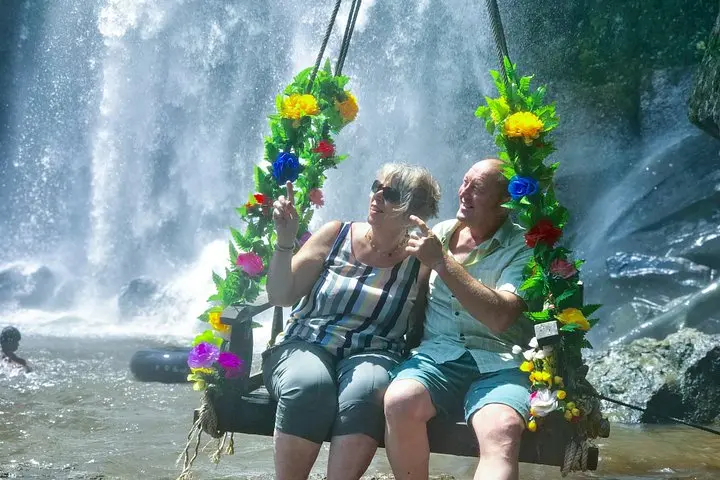
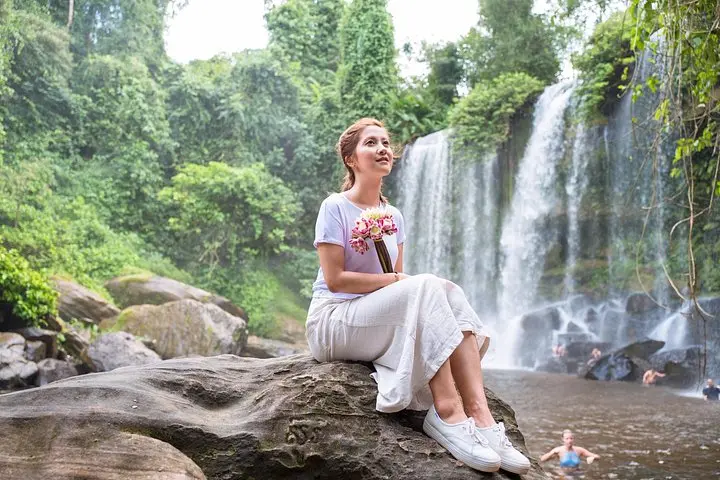
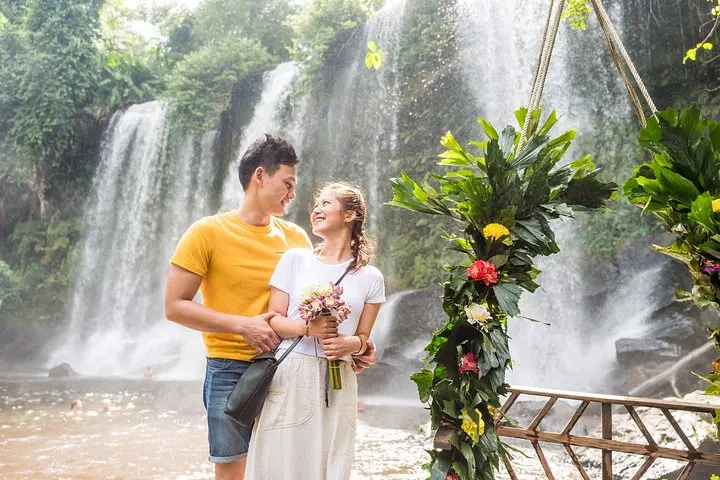
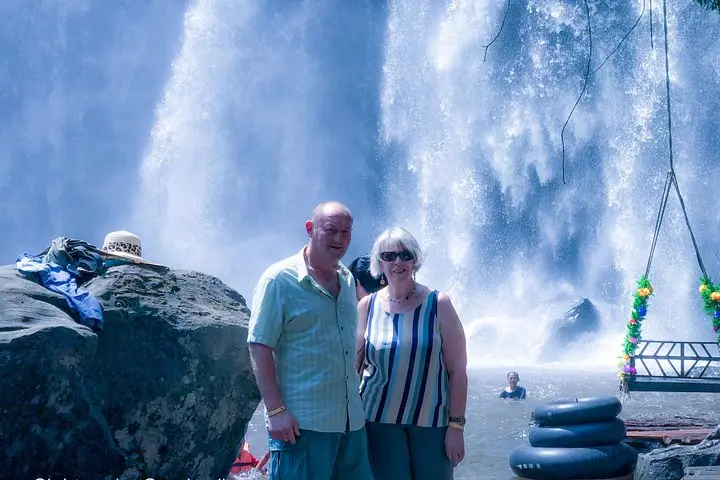
You step off the air‑conditioned vehicle onto warm stone and humid air, the sound of water cutting through forest rising like a promise. Phnom Kulen’s trail climbs through low evergreen forest to a waterfall that invites a quick, cool dip; downstream, the riverbed is scored with thousands of carved Shiva lingas. Later, Beng Mealea waits east of Angkor—collapsed galleries and mossy blocks where sunlight slices through canopy gaps.
You step off the air‑conditioned vehicle onto warm stone and humid air, the sound of water cutting through forest rising like a promise. Phnom Kulen’s trail climbs through low evergreen forest to a waterfall that invites a quick, cool dip; downstream, the riverbed is scored with thousands of carved Shiva lingas. Later, Beng Mealea waits east of Angkor—collapsed galleries and mossy blocks where sunlight slices through canopy gaps.
This route threads Khmer history and geology: Phnom Kulen is considered the cradle of the Khmer Empire and its sandstone shelves and river carvings date to the 9th–11th centuries. Beng Mealea, built in the Angkor period, has been left partially unrestored, giving a raw sense of temple construction and jungle reclamation. Culturally, both sites remain active with local visitors—respectful dress matters at shrines—and small eateries near the park offer Khmer dishes at modest cost.
Expect dirt tracks, rocky steps and humid conditions; some short climbs are uneven and wet after rain. The full loop is a long day (7–8 hours) with a hotel pickup early morning and a lunch stop where you pay locally. Bring sturdy shoes, a towel and insect repellent, and plan for limited shade between sites. Carry cash for park admissions and meals; cell signal is intermittent. Time your visit before midday heat or late‑afternoon storms to get the best light for photos and cooler walking. Follow guide instructions around carvings and swimming areas to protect both you and the fragile heritage you’re passing through.