
Phnom Kulen Day Trip: 1000 Shiva Lingas, Waterfalls & Lost Khmer Ruins from Siem Reap
A full-day private trip from Siem Reap to Phnom Kulen visits the thousand Shiva lingams carved in the riverbed, a reclining Buddha, jungle-covered Khmer ruins and a swimming waterfall. This guide covers history, terrain and what to pack for a wet, cultural day in the park.
An Adventure In Siem Reap.
A full-day private trip from Siem Reap to Phnom Kulen visits the thousand Shiva lingams carved in the riverbed, a reclining Buddha, jungle-covered Khmer ruins and a swimming waterfall. This guide covers history, terrain and what to pack for a wet, cultural day in the park.
Read the full experience
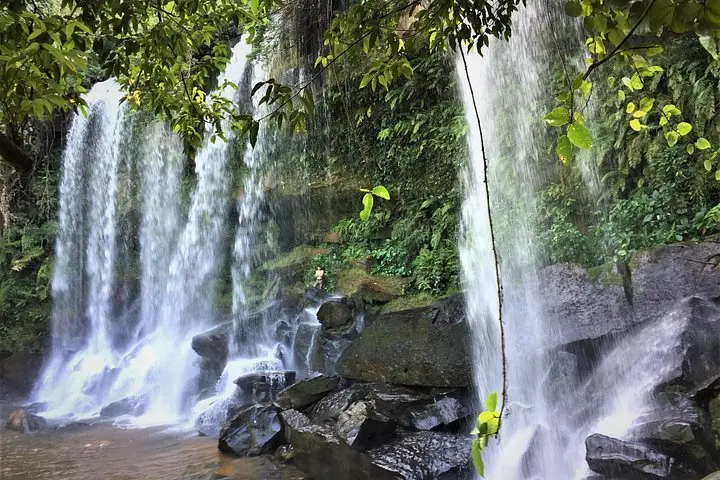
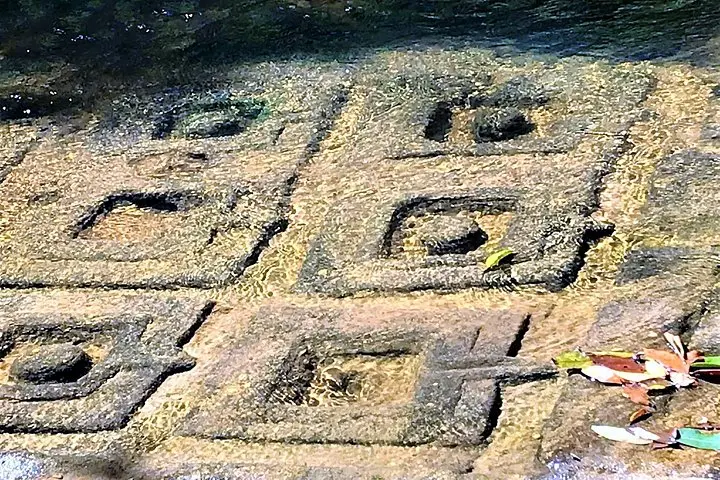
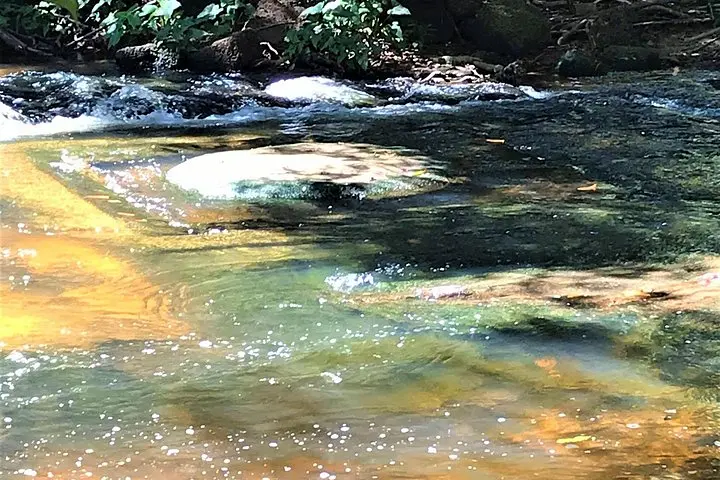
The road climbs out of Siem Reap and the air changes — thicker, greener, the jungle seeming to press forward like a living wall. By midmorning the Lexus pulls into Phnom Kulen National Park and the river’s shallow bed reveals an array of carved lingams where water has polished stone for a thousand years. The falls roar downstream; swimmers thread between sunlit pools and cooled spray.
The road climbs out of Siem Reap and the air changes — thicker, greener, the jungle seeming to press forward like a living wall. By midmorning the Lexus pulls into Phnom Kulen National Park and the river’s shallow bed reveals an array of carved lingams where water has polished stone for a thousand years. The falls roar downstream; swimmers thread between sunlit pools and cooled spray.
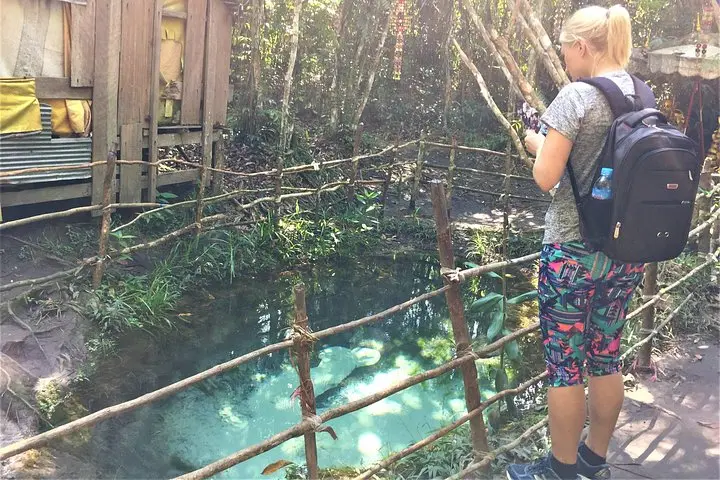
Phnom Kulen is the cradle of the Khmer state. In the 9th century King Jayavarman II declared independence here and consecrated the hill to Shiva; recent lidar surveys have since suggested a much larger ancient urban footprint under the canopy. Geology is blatant: sandstone outcrops, river-carved lingams, and eroded lintels that echo 12th-century Angkorian carving styles. Villagers around the park still practice water rituals and maintain shrines, giving a living cultural frame to the ruins.
Expect short, uneven treks through humid forest, interspersed with site visits — the thousand lingams riverbed, a 16th-century reclining Buddha carved from bedrock, scattered temple ruins, and the main waterfall with natural pools suitable for swimming. Guides typically provide bottled water, towels and lunch; transport is by air-conditioned vehicle.
Practical notes: bring sturdy grip shoes for wet rock, reef-safe sunscreen, insect repellent and a lightweight rain layer in monsoon months. Observe sacred areas, avoid climbing fragile carvings, and plan for a full-day outing (about seven hours) to move at a steady pace between sites and allow for swimming and photography.
Frequently asked questions
Expect roughly 1–1.5 hours each way by road depending on traffic; the tour is full-day (around seven hours on-site).
Yes—locals and guides swim at the main falls—but avoid swallowing water and be cautious after heavy rain when currents increase.
A Kulen National Park entrance ticket is required; many private tours include this in the price, confirm before departure.
Most sections are short and manageable, but slippery rock and uneven ground mean supervision for children and steady pace for older visitors is advised.
About This Experience
Naga Angkor Tour operates guided outdoor trips and adventures with an emphasis on safety, stewardship, and memorable experiences.
Adventure tips
Recommended gear
- Sturdy water shoes: Protects feet on wet rocks and provides traction through riverbed lingam areas.
- Swimsuit and quick-dry towel: Useful for swimming beneath the main waterfall and drying off afterward.
- Reusable water bottle: Keep hydrated in humid conditions; guides may provide bottled water but refills reduce waste.
- Light rain jacket & insect repellent: A compact rain layer and repellent are useful during the monsoon and for buggy forest sections.
Photos of the experience
Related adventures & guides
Read the full experience
The road climbs out of Siem Reap and the air changes — thicker, greener, the jungle seeming to press forward like a living wall. By midmorning the Lexus pulls into Phnom Kulen National Park and the river’s shallow bed reveals an array of carved lingams where water has polished stone for a thousand years. The falls roar downstream; swimmers thread between sunlit pools and cooled spray.
The road climbs out of Siem Reap and the air changes — thicker, greener, the jungle seeming to press forward like a living wall. By midmorning the Lexus pulls into Phnom Kulen National Park and the river’s shallow bed reveals an array of carved lingams where water has polished stone for a thousand years. The falls roar downstream; swimmers thread between sunlit pools and cooled spray.
Phnom Kulen is the cradle of the Khmer state. In the 9th century King Jayavarman II declared independence here and consecrated the hill to Shiva; recent lidar surveys have since suggested a much larger ancient urban footprint under the canopy. Geology is blatant: sandstone outcrops, river-carved lingams, and eroded lintels that echo 12th-century Angkorian carving styles. Villagers around the park still practice water rituals and maintain shrines, giving a living cultural frame to the ruins.
Expect short, uneven treks through humid forest, interspersed with site visits — the thousand lingams riverbed, a 16th-century reclining Buddha carved from bedrock, scattered temple ruins, and the main waterfall with natural pools suitable for swimming. Guides typically provide bottled water, towels and lunch; transport is by air-conditioned vehicle.
Practical notes: bring sturdy grip shoes for wet rock, reef-safe sunscreen, insect repellent and a lightweight rain layer in monsoon months. Observe sacred areas, avoid climbing fragile carvings, and plan for a full-day outing (about seven hours) to move at a steady pace between sites and allow for swimming and photography.
Make a day of it nearby.
Verified experiences and guided adventures in the surrounding area.