THE ADVENTURE COLLECTIVE® · Independent discovery and booking for outdoor travel

A full-day excursion from Siem Reap that pairs jungle waterfalls with ancient Khmer carvings and a large reclining Buddha. Perfect for families and history buffs who want natural swimming spots and cultural context in one day.
A full-day excursion from Siem Reap that pairs jungle waterfalls with ancient Khmer carvings and a large reclining Buddha. Perfect for families and history buffs who want natural swimming spots and cultural context in one day.
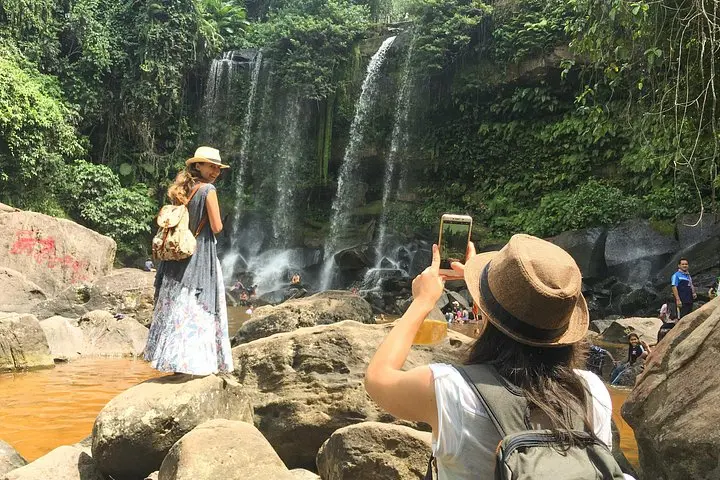
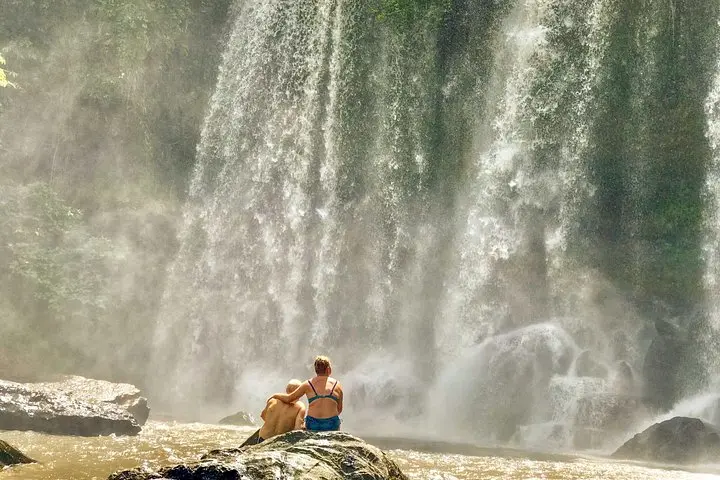
Steam of wet stone and insect song welcome you as the van climbs Phnom Kulen’s single ribbon of road — a moving compromise between village life and sacred mountain. At the top, the waterfall thunders, flattening out into family-friendly pools before stepping down to the lower plunge where the river gathers force and the air smells of moss and wet rock.
Verified experiences and guided adventures in the surrounding area.
Operated by Day Trip Cambodia · Siem Reap, Siem Reap Province
Steam of wet stone and insect song welcome you as the van climbs Phnom Kulen’s single ribbon of road — a moving compromise between village life and sacred mountain. At the top, the waterfall thunders, flattening out into family-friendly pools before stepping down to the lower plunge where the river gathers force and the air smells of moss and wet rock.
Phnom Kulen is where Jayavarman II announced the Khmer polity’s autonomy; the mountain’s carved lingas along the “River of a Thousand Lingas” are a deliberate, ancient claim of sacred geography. Geologically the massif is a sandstone plateau carved by seasonal flows; in the wet season water reveals the full power of those channels and in dry months the carvings sit in shallow pools.
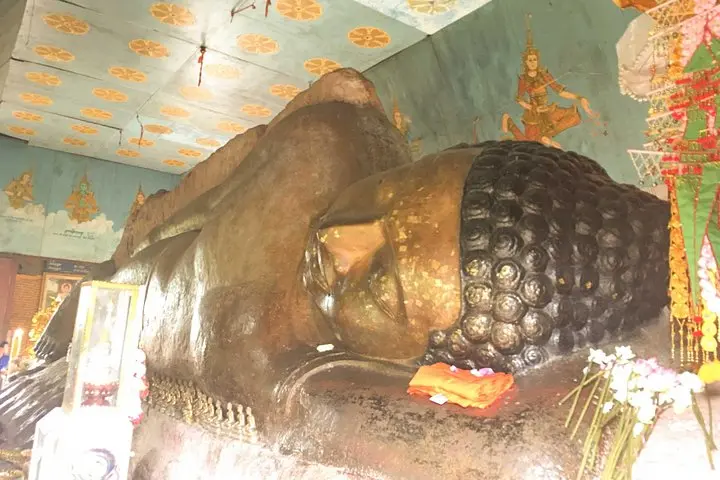
Culturally the site remains active: monks tend shrines, villagers maintain small offerings, and the large reclining Buddha at Preah Ang Thom draws local pilgrims as much as foreign visitors. Expect rustic picnic areas and basic facilities rather than tourist infrastructure.
Practical guidance: plan for an early start from Siem Reap to beat the one-way traffic and midday heat; the round trip is typically 8–9 hours including stops. Wear water shoes for slippery stone and bring a change of clothes, sun protection, and cash for the park fee and small local purchases. Swimming in the shallow upper pools is suitable for families, but stronger currents near the main falls require confidence in the water. Respect sacred sites — modest dress, quiet around shrines, and follow your guide’s direction for conservation and safety.
Expect roughly 1.5–2 hours each way depending on traffic and road conditions; the full tour including stops is about 8–9 hours.
Yes — there is a park or site entrance fee paid locally; amounts vary and are typically collected at park entry, so bring cash.
Yes — the upper sections have shallow pools suitable for children, but keep close supervision near the lower falls where currents strengthen.
Facilities are basic: small food stalls, picnic areas, and limited restrooms; don’t expect full-service eateries or ATMs.
Day Trip Cambodia operates guided outdoor trips and adventures with an emphasis on safety, stewardship, and memorable experiences.
Steam of wet stone and insect song welcome you as the van climbs Phnom Kulen’s single ribbon of road — a moving compromise between village life and sacred mountain. At the top, the waterfall thunders, flattening out into family-friendly pools before stepping down to the lower plunge where the river gathers force and the air smells of moss and wet rock.
Steam of wet stone and insect song welcome you as the van climbs Phnom Kulen’s single ribbon of road — a moving compromise between village life and sacred mountain. At the top, the waterfall thunders, flattening out into family-friendly pools before stepping down to the lower plunge where the river gathers force and the air smells of moss and wet rock.
Phnom Kulen is where Jayavarman II announced the Khmer polity’s autonomy; the mountain’s carved lingas along the “River of a Thousand Lingas” are a deliberate, ancient claim of sacred geography. Geologically the massif is a sandstone plateau carved by seasonal flows; in the wet season water reveals the full power of those channels and in dry months the carvings sit in shallow pools.
Culturally the site remains active: monks tend shrines, villagers maintain small offerings, and the large reclining Buddha at Preah Ang Thom draws local pilgrims as much as foreign visitors. Expect rustic picnic areas and basic facilities rather than tourist infrastructure.
Practical guidance: plan for an early start from Siem Reap to beat the one-way traffic and midday heat; the round trip is typically 8–9 hours including stops. Wear water shoes for slippery stone and bring a change of clothes, sun protection, and cash for the park fee and small local purchases. Swimming in the shallow upper pools is suitable for families, but stronger currents near the main falls require confidence in the water. Respect sacred sites — modest dress, quiet around shrines, and follow your guide’s direction for conservation and safety.