THE ADVENTURE COLLECTIVE® · Independent discovery and booking for outdoor travel

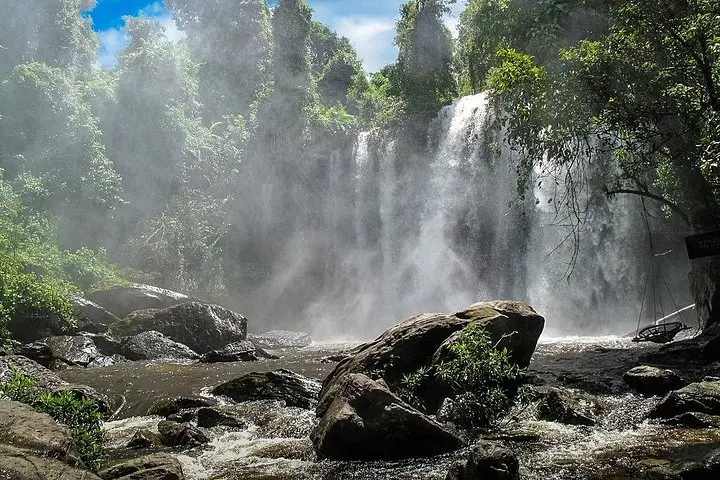
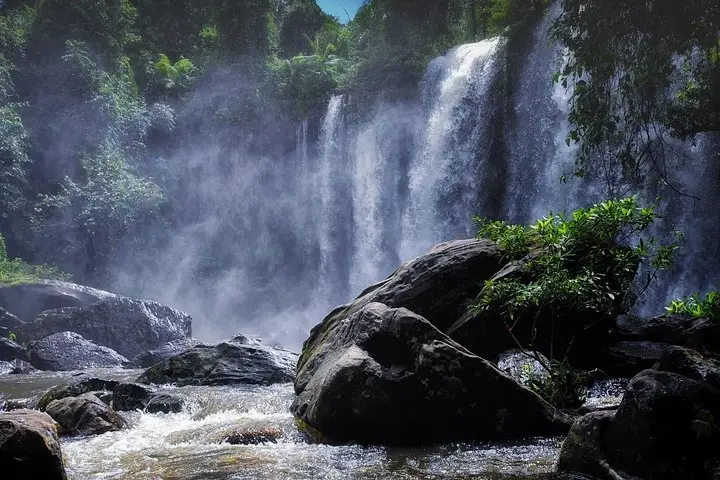
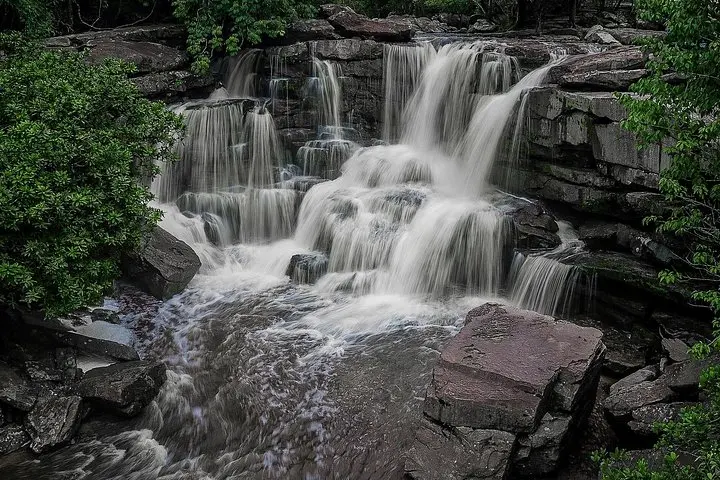
Spend a full day on Phnom Kulen exploring the River of a Thousand Lingas, an 8 m reclining Buddha, cliffs and swim-ready waterfalls. This private tour combines Angkor-era history with hands-on natural attractions and easy walks.
Spend a full day on Phnom Kulen exploring the River of a Thousand Lingas, an 8 m reclining Buddha, cliffs and swim-ready waterfalls. This private tour combines Angkor-era history with hands-on natural attractions and easy walks.
Morning light cuts through a thin mist as your driver pulls off a narrow dirt road and the mountain takes over—khmer pines leaning like quiet sentries, a riverbed engraved with patterns older than the city. This full-day private tour climbs Phnom Kulen, where forested trails, carved sandstone and cool pools compose a single experience: history in motion and water daring you to wade.
Verified experiences and guided adventures in the surrounding area.
Operated by Happy Angkor Tour · Siem Reap, Siem Reap Province
Morning light cuts through a thin mist as your driver pulls off a narrow dirt road and the mountain takes over—khmer pines leaning like quiet sentries, a riverbed engraved with patterns older than the city. This full-day private tour climbs Phnom Kulen, where forested trails, carved sandstone and cool pools compose a single experience: history in motion and water daring you to wade.
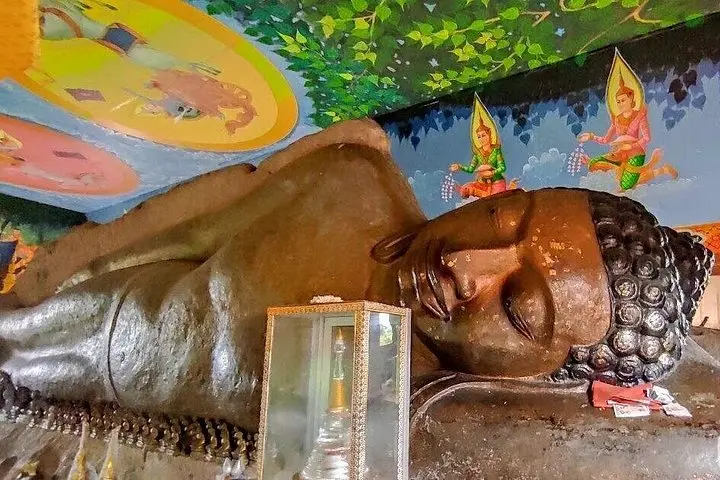
Phnom Kulen — Mahendraparvata in Angkorian records — is where King Jayavarman II declared sovereignty in 802 CE. Geology here is rugged sandstone plateaus and clear streams that have been carved and carved again, leaving the River of a Thousand Lingas: ritual carvings set under ankle-deep water. Cultural sites include Preah Ang Thom, a 8 m reclining Buddha hewn from a boulder, and cliff-edge viewpoints at Poeng Ta Kho that frame the plains below.
Expect light walking over uneven stone, short climbs to lookouts, and time to swim in plunge pools when the flow allows. Guides will explain the significance of lingas, point out worship practices still observed, and navigate local vendors and shrine etiquette.
Practical edge: bring durable shoes that can get wet, a quick-dry towel and cash for the national park fee and local stalls. The visit is best early in the day to avoid heat and crowds; the rainforest canopy and creek currents will keep you cool but slippery rocks demand care.
By day’s end you’ll have walked through layers of empire, geology and devotion—an accessible, kinetic history lesson punctuated by waterfalls and clear water that still feels close to the source of the Khmer world.
The transfer takes about 1–1.5 hours each way depending on traffic and road conditions; expect a full-day schedule of roughly 7–8 hours including stops.
Yes—when water levels are safe. Pools below the falls are popular for swimming; follow your guide’s advice about current and slippery rocks.
The tour is family-friendly and described as suitable for all fitness levels, but some terrain is uneven and there are steps and slippery sections that require supervision or a slower pace.
Park entrance fees may not be included by default; confirm with the operator and bring cash to pay park fees and small local expenses on site.
Happy Angkor Tour operates guided outdoor trips and adventures with an emphasis on safety, stewardship, and memorable experiences.
Morning light cuts through a thin mist as your driver pulls off a narrow dirt road and the mountain takes over—khmer pines leaning like quiet sentries, a riverbed engraved with patterns older than the city. This full-day private tour climbs Phnom Kulen, where forested trails, carved sandstone and cool pools compose a single experience: history in motion and water daring you to wade.
Morning light cuts through a thin mist as your driver pulls off a narrow dirt road and the mountain takes over—khmer pines leaning like quiet sentries, a riverbed engraved with patterns older than the city. This full-day private tour climbs Phnom Kulen, where forested trails, carved sandstone and cool pools compose a single experience: history in motion and water daring you to wade.
Phnom Kulen — Mahendraparvata in Angkorian records — is where King Jayavarman II declared sovereignty in 802 CE. Geology here is rugged sandstone plateaus and clear streams that have been carved and carved again, leaving the River of a Thousand Lingas: ritual carvings set under ankle-deep water. Cultural sites include Preah Ang Thom, a 8 m reclining Buddha hewn from a boulder, and cliff-edge viewpoints at Poeng Ta Kho that frame the plains below.
Expect light walking over uneven stone, short climbs to lookouts, and time to swim in plunge pools when the flow allows. Guides will explain the significance of lingas, point out worship practices still observed, and navigate local vendors and shrine etiquette.
Practical edge: bring durable shoes that can get wet, a quick-dry towel and cash for the national park fee and local stalls. The visit is best early in the day to avoid heat and crowds; the rainforest canopy and creek currents will keep you cool but slippery rocks demand care.
By day’s end you’ll have walked through layers of empire, geology and devotion—an accessible, kinetic history lesson punctuated by waterfalls and clear water that still feels close to the source of the Khmer world.