THE ADVENTURE COLLECTIVE® · Independent discovery and booking for outdoor travel

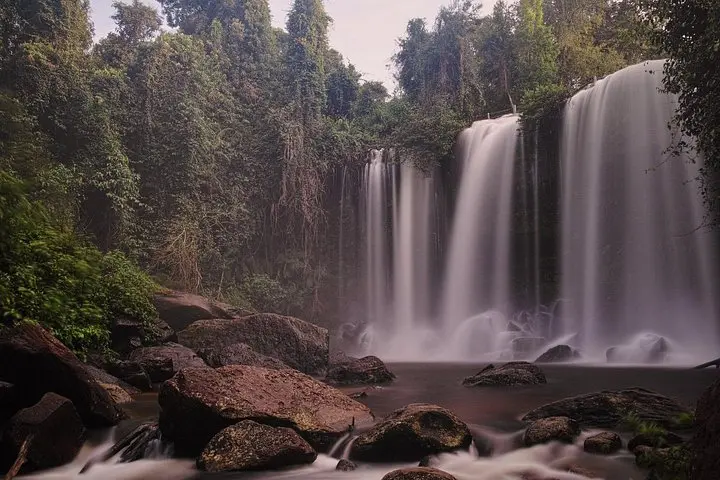
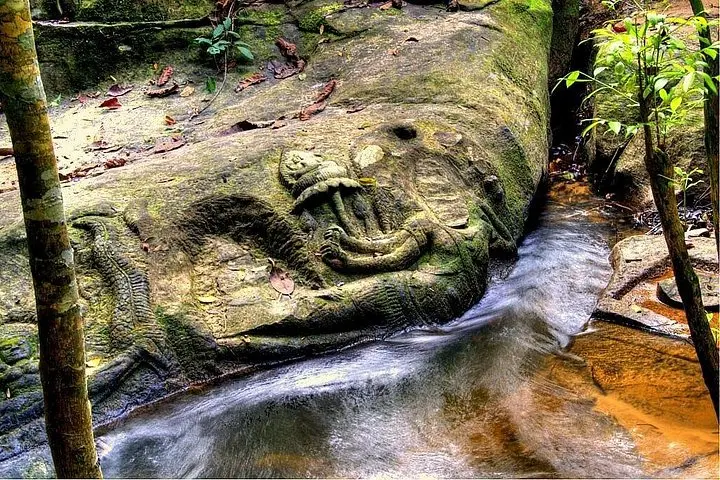
Spend a day exploring Phnom Kulen’s sacred plateau: a reclining Buddha carved from boulder, riverbed lingas, a cooling waterfall and LIDAR-revealed remains of Mahendraparvata. This private guide tour blends history, geology, and hands-on exploration with practical logistics handled for you.
Spend a day exploring Phnom Kulen’s sacred plateau: a reclining Buddha carved from boulder, riverbed lingas, a cooling waterfall and LIDAR-revealed remains of Mahendraparvata. This private guide tour blends history, geology, and hands-on exploration with practical logistics handled for you.
You arrive before the heat builds, windows fogging as the road unspools north from Siem Reap into lowland farms and then steeper jungle roads. The plateau of Phnom Kulen rises like a green rim above the plain—ancient sandstone, river-sculpted basins and a reclining Buddha carved into a single boulder watch over the valley.
Verified experiences and guided adventures in the surrounding area.
Operated by Global Travel & Tours Asia · Siem Reap, Siem Reap Province
You arrive before the heat builds, windows fogging as the road unspools north from Siem Reap into lowland farms and then steeper jungle roads. The plateau of Phnom Kulen rises like a green rim above the plain—ancient sandstone, river-sculpted basins and a reclining Buddha carved into a single boulder watch over the valley.
This mountain was Mahendraparvata, the early capital where Jayavarman II proclaimed Khmer independence in 802 AD. Modern archaeology—most notably the 2013 LIDAR surveys—expanded our view of the city, revealing lost roads, temple foundations and settlement grids hidden under canopy.
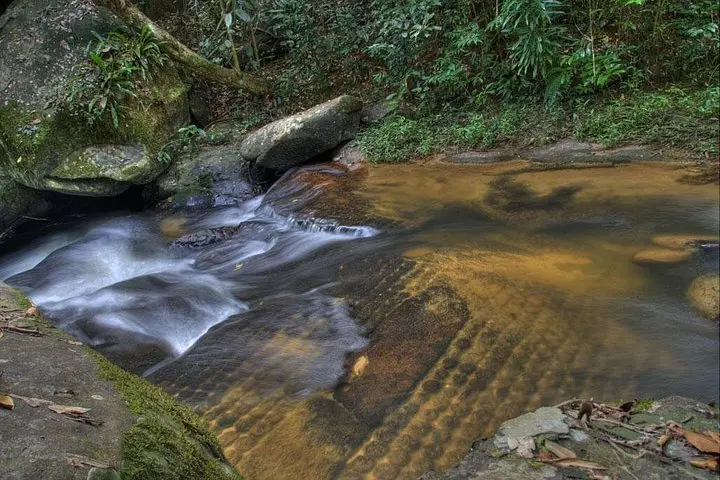
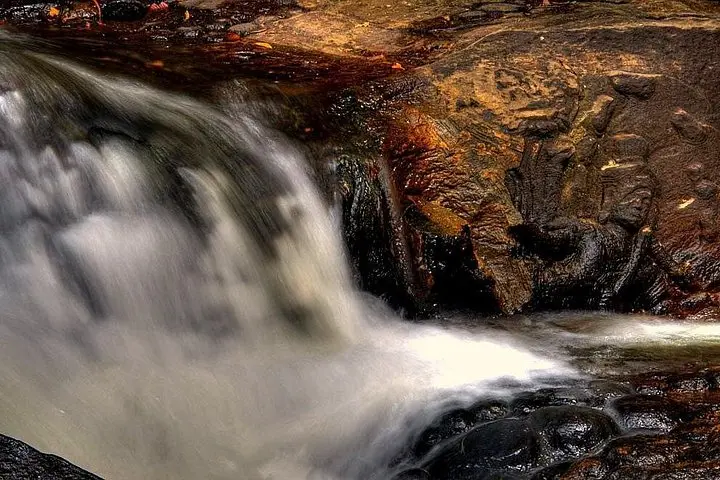
Geology here is sandstone and laterite; rivers have smoothed sacred lingas into the bedrock. The area blends religious pilgrimage (Wat Preah Ang Thom) with raw forested trails and a classic plunge at Kulen Waterfall, where locals cool off in natural pools.
Practically: expect an 8-hour day with about 1.5–2 hours driving each way from Siem Reap. Trails are mostly easy but uneven and can be slippery; the Reclining Buddha and riverbed carvings require short walks on rock and dirt. Bring sturdy shoes, insect protection and a refillable water bottle; guides handle permits and the included Angkor single‑day ticket ($37). A picnic lunch is common on private tours.
Cultural notes: this is an active pilgrimage site—dress respectfully and follow your guide near carvings. Conservation is active but fragile here: avoid touching ancient carvings and carry out any trash. Time your visit early or late in the day to beat heat and crowds and to experience the plateau’s layered history and living landscape with intention.
Expect roughly 1.5 to 2 hours each way depending on traffic and road conditions; private transport in an air-conditioned vehicle is usually provided.
Yes—the Angkor Archaeological Park single-day ticket (USD 37) is commonly included by operators for access to protected temple zones on the plateau.
Swimming is common at the main Kulen waterfall pools during the dry season, but check with your guide about currents and local safety advisories—rocks can be slippery.
This tour is suitable for most travelers but is not recommended for those with serious back or heart issues or for pregnant travelers due to uneven terrain and travel time.
Global Travel & Tours Asia operates guided outdoor trips and adventures with an emphasis on safety, stewardship, and memorable experiences.
You arrive before the heat builds, windows fogging as the road unspools north from Siem Reap into lowland farms and then steeper jungle roads. The plateau of Phnom Kulen rises like a green rim above the plain—ancient sandstone, river-sculpted basins and a reclining Buddha carved into a single boulder watch over the valley.
You arrive before the heat builds, windows fogging as the road unspools north from Siem Reap into lowland farms and then steeper jungle roads. The plateau of Phnom Kulen rises like a green rim above the plain—ancient sandstone, river-sculpted basins and a reclining Buddha carved into a single boulder watch over the valley.
This mountain was Mahendraparvata, the early capital where Jayavarman II proclaimed Khmer independence in 802 AD. Modern archaeology—most notably the 2013 LIDAR surveys—expanded our view of the city, revealing lost roads, temple foundations and settlement grids hidden under canopy.
Geology here is sandstone and laterite; rivers have smoothed sacred lingas into the bedrock. The area blends religious pilgrimage (Wat Preah Ang Thom) with raw forested trails and a classic plunge at Kulen Waterfall, where locals cool off in natural pools.
Practically: expect an 8-hour day with about 1.5–2 hours driving each way from Siem Reap. Trails are mostly easy but uneven and can be slippery; the Reclining Buddha and riverbed carvings require short walks on rock and dirt. Bring sturdy shoes, insect protection and a refillable water bottle; guides handle permits and the included Angkor single‑day ticket ($37). A picnic lunch is common on private tours.
Cultural notes: this is an active pilgrimage site—dress respectfully and follow your guide near carvings. Conservation is active but fragile here: avoid touching ancient carvings and carry out any trash. Time your visit early or late in the day to beat heat and crowds and to experience the plateau’s layered history and living landscape with intention.