THE ADVENTURE COLLECTIVE® · Independent discovery and booking for outdoor travel

Ride by vintage jeep to Phnom Kulen for waterfalls, expansive sandstone carvings and one of Cambodia’s largest reclining Buddhas. This day tour blends natural swimming spots with culturally significant sites and expert local guiding.
Ride by vintage jeep to Phnom Kulen for waterfalls, expansive sandstone carvings and one of Cambodia’s largest reclining Buddhas. This day tour blends natural swimming spots with culturally significant sites and expert local guiding.
A vintage open-sided jeep threads through rice paddies and scrub as dawn light sharpens the silhouette of Phnom Kulen ahead. Riders feel the air change—cooler, greener—then step from the vehicle into a landscape where monsoon-cut streams carve sandstone and the forest seems to watch quietly.
Verified experiences and guided adventures in the surrounding area.
Operated by Cambodiajeep.com · Siem Reap, Siem Reap Province
A vintage open-sided jeep threads through rice paddies and scrub as dawn light sharpens the silhouette of Phnom Kulen ahead. Riders feel the air change—cooler, greener—then step from the vehicle into a landscape where monsoon-cut streams carve sandstone and the forest seems to watch quietly.
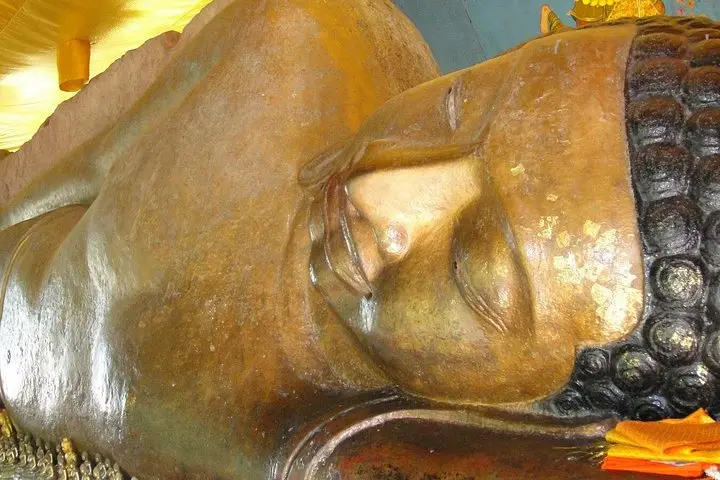
Phnom Kulen is more than scenery: it’s the declared birthplace of the Khmer Empire where Jayavarman II reportedly proclaimed independence in the 9th century. The plateau’s geology is hard sandstone that preserves riverbed carvings like the River of 1,000 Lingas, and its escarpments feed falls that swell dramatically in the wet season. Pilgrims still come to the large reclining Buddha and small shrines; guides will point out iconography and local ritual practice during the day.
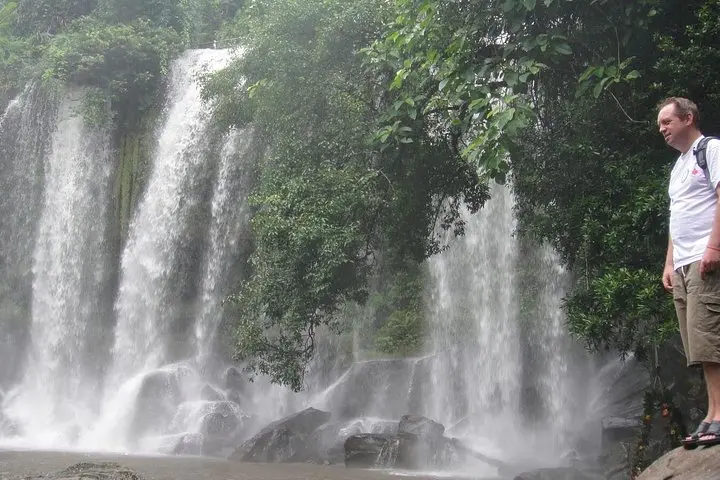
The tour balances culture and water: expect short, easy walks to temples and carvings, time to wade or swim at Kulen Waterfall, and plenty of jeeping between sites. Local drivers and English-speaking guides add context on rural livelihoods, agriculture, and conservation pressures the park faces.
Practical edge: pack swimwear and a quick-dry towel, wear closed-toe shoes with good grip for slick stone, and bring sunscreen and insect repellent. Respect temple etiquette—shoulders and knees covered—and carry a small amount of cash for snacks or offerings. The trip is suitable for most fitness levels but involves uneven surfaces and slippery rock near falls; a calm pace and attentive guide make the day accessible and richly informative.
Pickup is typically offered—confirm your pickup point when booking as options vary; private tours allow flexible pickup.
Yes; the itinerary includes time at Kulen Waterfall suitable for swimming or wading—bring swimwear and beware of slippery rocks.
Entrance to Phnom Kulen is listed as included in the tour price, but guides recommend carrying small cash for optional purchases.
The vintage jeeps are open-sided to maximize views and airflow; dress in breathable layers and use sun protection for comfort.
Cambodiajeep.com operates guided outdoor trips and adventures with an emphasis on safety, stewardship, and memorable experiences.
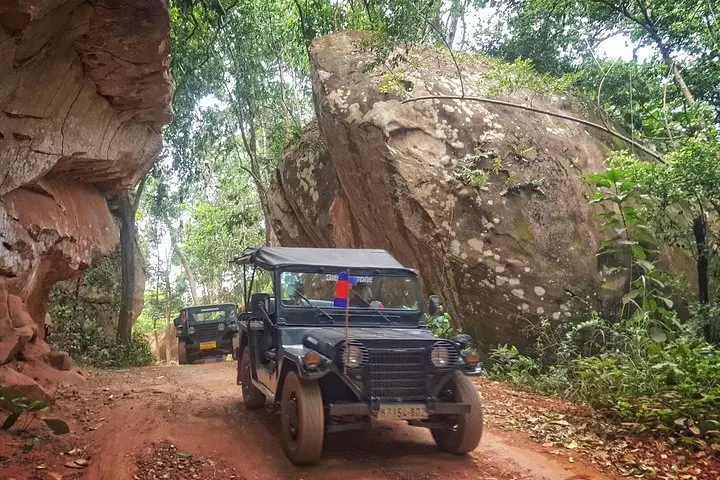
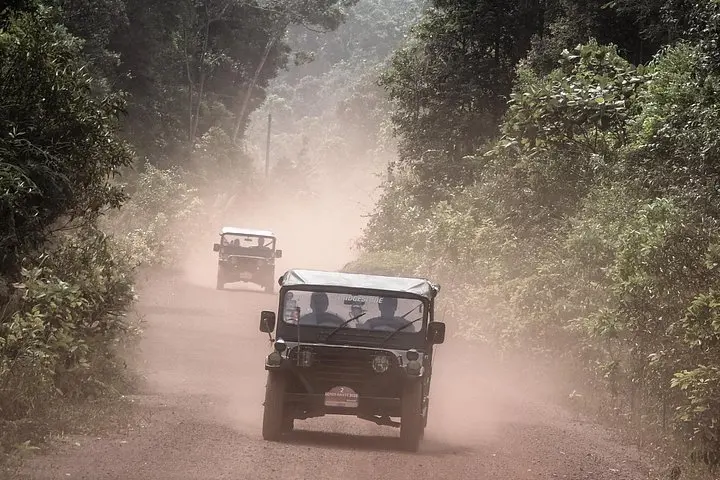
A vintage open-sided jeep threads through rice paddies and scrub as dawn light sharpens the silhouette of Phnom Kulen ahead. Riders feel the air change—cooler, greener—then step from the vehicle into a landscape where monsoon-cut streams carve sandstone and the forest seems to watch quietly.
A vintage open-sided jeep threads through rice paddies and scrub as dawn light sharpens the silhouette of Phnom Kulen ahead. Riders feel the air change—cooler, greener—then step from the vehicle into a landscape where monsoon-cut streams carve sandstone and the forest seems to watch quietly.
Phnom Kulen is more than scenery: it’s the declared birthplace of the Khmer Empire where Jayavarman II reportedly proclaimed independence in the 9th century. The plateau’s geology is hard sandstone that preserves riverbed carvings like the River of 1,000 Lingas, and its escarpments feed falls that swell dramatically in the wet season. Pilgrims still come to the large reclining Buddha and small shrines; guides will point out iconography and local ritual practice during the day.
The tour balances culture and water: expect short, easy walks to temples and carvings, time to wade or swim at Kulen Waterfall, and plenty of jeeping between sites. Local drivers and English-speaking guides add context on rural livelihoods, agriculture, and conservation pressures the park faces.
Practical edge: pack swimwear and a quick-dry towel, wear closed-toe shoes with good grip for slick stone, and bring sunscreen and insect repellent. Respect temple etiquette—shoulders and knees covered—and carry a small amount of cash for snacks or offerings. The trip is suitable for most fitness levels but involves uneven surfaces and slippery rock near falls; a calm pace and attentive guide make the day accessible and richly informative.