THE ADVENTURE COLLECTIVE® · Independent discovery and booking for outdoor travel

A full-day adventure from Siem Reap that pairs Phnom Kulen’s sacred river and waterfalls with the jungle-claimed ruins of Beng Mealea. Expect short hikes, temple visits, and a cooling swim amid Khmer-era stone and rainforest.
A full-day adventure from Siem Reap that pairs Phnom Kulen’s sacred river and waterfalls with the jungle-claimed ruins of Beng Mealea. Expect short hikes, temple visits, and a cooling swim amid Khmer-era stone and rainforest.
You start before dawn in Siem Reap, the road thinning as you climb toward Phnom Kulen. Forested ridges open to sudden views; the giant reclining Buddha crowns a rocky summit while the River of a Thousand Lingas threads cold, clear water over carved sandstone—each linga engraved by hands that built the Khmer Empire.
Verified experiences and guided adventures in the surrounding area.
Operated by Hok Cambodia Journeys · Siem Reap, Siem Reap Province
You start before dawn in Siem Reap, the road thinning as you climb toward Phnom Kulen. Forested ridges open to sudden views; the giant reclining Buddha crowns a rocky summit while the River of a Thousand Lingas threads cold, clear water over carved sandstone—each linga engraved by hands that built the Khmer Empire.
Phnom Kulen is both a geological ridge of uplifted sandstone and a cultural high place: kings once declared independence here and pilgrims still leave offerings at shrines. The area’s waterfalls carve plunge pools in terraces of hard rock, and paths run through mixed deciduous and evergreen trees where hill-tribe communities keep traditional ways. Nearby Beng Mealea, a separate ruin to the east, shows classic 12th-century Khmer plan—long galleries and collapsed towers half-reclaimed by roots and vines—giving a sense of how implacable forest can be to stone.
Expect a day of short walks, a summit visit to the reclining Buddha, time along the carved riverbed, and an afternoon swim beneath cascades. Guides often combine historical context with simple geology—sandstone bedrock, monsoon-fed streams, and easy-to-moderate trails.
Practical notes: wear shoes with grip for wet rock, bring at least 2 liters of water, carry modest clothing for temple visits, and have small bills for entrance fees and local donations. Best times are morning for cooler hiking and late afternoon after monsoon rains subside. Respect monastic areas, avoid climbing on fragile carvings, and leave no trace—these sites are living cultural landscapes as much as scenic highlights.
Phnom Kulen and Beng Mealea are outside the main Angkor Wat ticket zone; however, some adjacent monuments may require local entrance fees—check with your operator and carry cash.
Yes—there are plunge pools suitable for swimming, but exercise caution: currents can be strong after rain and rocks are slippery.
Expect several short hikes, including a steep path to the reclining Buddha and uneven trails to river carvings and cascades; none are technical but good balance helps.
Facilities are basic; bring snacks and water. Some tour operators include a picnic lunch and there are limited restrooms near main sites.
Hok Cambodia Journeys operates guided outdoor trips and adventures with an emphasis on safety, stewardship, and memorable experiences.
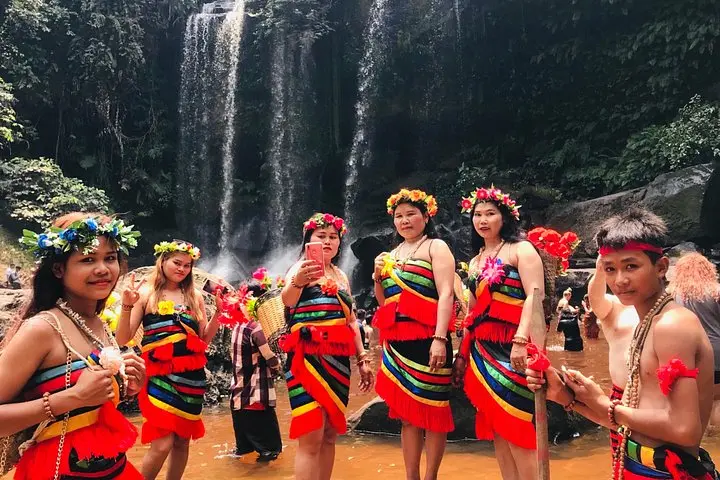
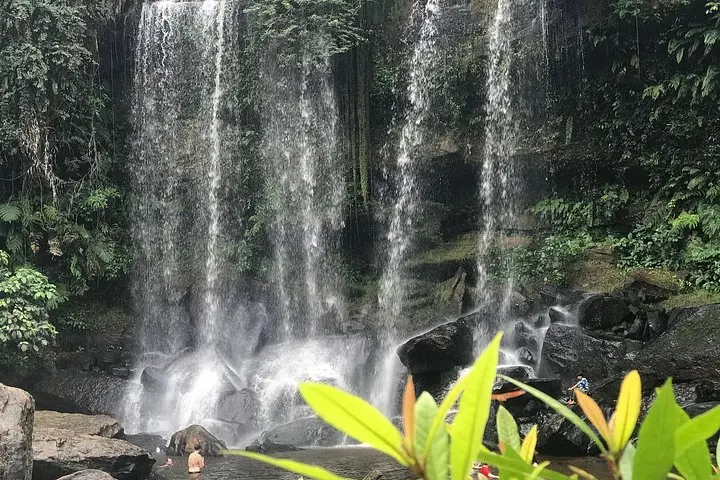
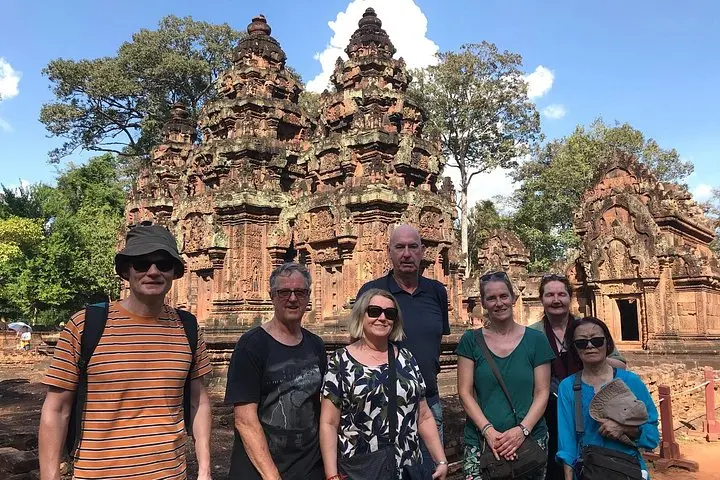
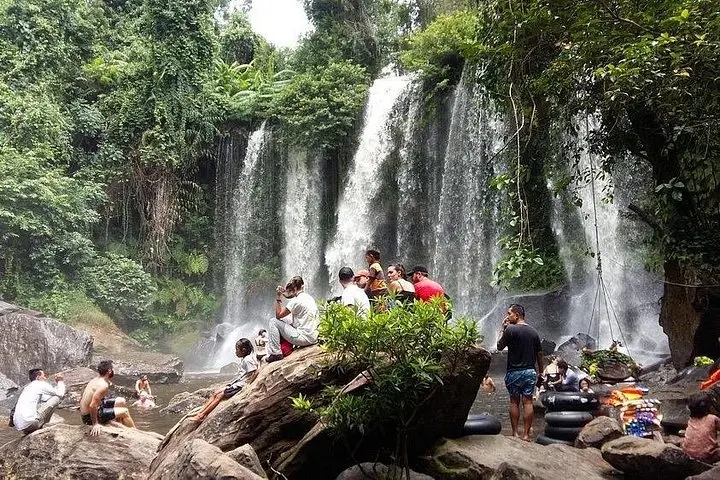
You start before dawn in Siem Reap, the road thinning as you climb toward Phnom Kulen. Forested ridges open to sudden views; the giant reclining Buddha crowns a rocky summit while the River of a Thousand Lingas threads cold, clear water over carved sandstone—each linga engraved by hands that built the Khmer Empire.
You start before dawn in Siem Reap, the road thinning as you climb toward Phnom Kulen. Forested ridges open to sudden views; the giant reclining Buddha crowns a rocky summit while the River of a Thousand Lingas threads cold, clear water over carved sandstone—each linga engraved by hands that built the Khmer Empire.
Phnom Kulen is both a geological ridge of uplifted sandstone and a cultural high place: kings once declared independence here and pilgrims still leave offerings at shrines. The area’s waterfalls carve plunge pools in terraces of hard rock, and paths run through mixed deciduous and evergreen trees where hill-tribe communities keep traditional ways. Nearby Beng Mealea, a separate ruin to the east, shows classic 12th-century Khmer plan—long galleries and collapsed towers half-reclaimed by roots and vines—giving a sense of how implacable forest can be to stone.
Expect a day of short walks, a summit visit to the reclining Buddha, time along the carved riverbed, and an afternoon swim beneath cascades. Guides often combine historical context with simple geology—sandstone bedrock, monsoon-fed streams, and easy-to-moderate trails.
Practical notes: wear shoes with grip for wet rock, bring at least 2 liters of water, carry modest clothing for temple visits, and have small bills for entrance fees and local donations. Best times are morning for cooler hiking and late afternoon after monsoon rains subside. Respect monastic areas, avoid climbing on fragile carvings, and leave no trace—these sites are living cultural landscapes as much as scenic highlights.