THE ADVENTURE COLLECTIVE® · Independent discovery and booking for outdoor travel

Skip the ticket line and spend a day on Phnom Kulen exploring the River of a Thousand Lingas, swimming at Kulen Waterfall and visiting a giant reclining Buddha. This guide covers what to expect—terrain, history and practical tips to plan your visit.
Skip the ticket line and spend a day on Phnom Kulen exploring the River of a Thousand Lingas, swimming at Kulen Waterfall and visiting a giant reclining Buddha. This guide covers what to expect—terrain, history and practical tips to plan your visit.
You arrive before the crowds, the road climbing out of Siem Reap into a greenhouse of tall trees and sudden clearings. The first view opens on a rocky valley where water—cold and insistent—pushes itself over black sandstone, daring you to step closer. Mist lifts in thin veils; rainbows form and fade with each cascade.
Verified experiences and guided adventures in the surrounding area.
Operated by Angkor Pro Travel · Siem Reap, Siem Reap Province
You arrive before the crowds, the road climbing out of Siem Reap into a greenhouse of tall trees and sudden clearings. The first view opens on a rocky valley where water—cold and insistent—pushes itself over black sandstone, daring you to step closer. Mist lifts in thin veils; rainbows form and fade with each cascade.
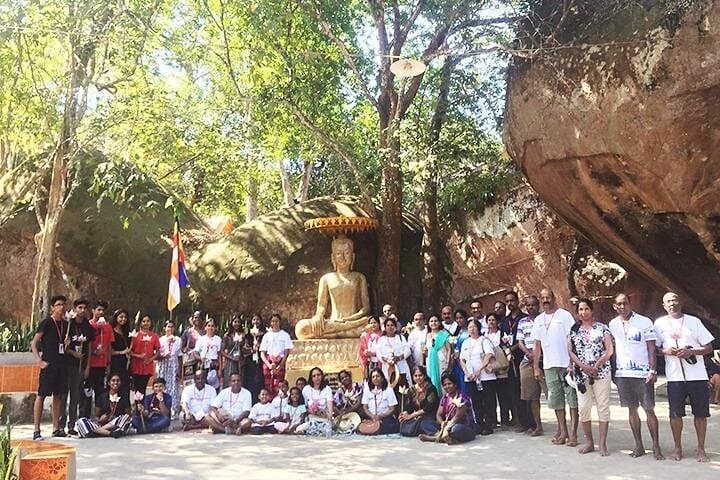
Phnom Kulen is both a geological shelf of sandstone carved by seasonal torrents and a cultural high point for Cambodia. It’s where early Khmer rulers declared independence in the ninth century, and where craftsmen cut hundreds of lingas into the riverbed as offerings to Shiva. Scattered temple ruins and a giant reclining Buddha speak to the mountain’s long religious life while jungle trails hint at older, natural histories.
Expect mixed terrain: paved approaches give way to uneven stone, exposed roots and short, steep steps to viewpoints and pools. The River of a Thousand Lingas is best seen at low flow when carvings are visible; waterfalls are most dramatic in wet season. Locals balance reverence and everyday life—shrine offerings alongside picnics—so observe temple etiquette and modest dress.
Practical notes: tickets are delivered to Siem Reap hotels the evening before, letting you start early. Bring sturdy shoes, refillable water, insect repellent and a light rain layer. Swim only where allowed and heed current warnings. An early arrival (before 9 AM) avoids midday heat and gives the best light for photos. With a full day, you can take in river carvings, the falls, the reclining Buddha and a few quieter trails without rushing.
Tickets are delivered to your Siem Reap hotel the evening before the visit, so you can travel without printing vouchers or queueing at the booth.
Yes at designated pools; always follow local signage and guides—currents and submerged rocks can be hazardous after heavy rain.
Carvings are visible most of the year but are easiest to photograph in the dry season when water levels are lower; wet season makes waterfalls more powerful but can obscure some carvings.
Main access roads and some viewing platforms are accessible, but many trails, riverbeds, and the reclining Buddha area involve steps or uneven terrain.
Angkor Pro Travel operates guided outdoor trips and adventures with an emphasis on safety, stewardship, and memorable experiences.
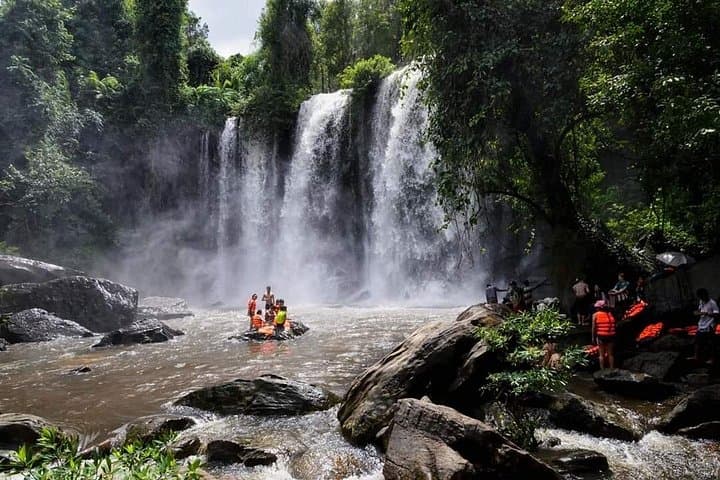

You arrive before the crowds, the road climbing out of Siem Reap into a greenhouse of tall trees and sudden clearings. The first view opens on a rocky valley where water—cold and insistent—pushes itself over black sandstone, daring you to step closer. Mist lifts in thin veils; rainbows form and fade with each cascade.
You arrive before the crowds, the road climbing out of Siem Reap into a greenhouse of tall trees and sudden clearings. The first view opens on a rocky valley where water—cold and insistent—pushes itself over black sandstone, daring you to step closer. Mist lifts in thin veils; rainbows form and fade with each cascade.
Phnom Kulen is both a geological shelf of sandstone carved by seasonal torrents and a cultural high point for Cambodia. It’s where early Khmer rulers declared independence in the ninth century, and where craftsmen cut hundreds of lingas into the riverbed as offerings to Shiva. Scattered temple ruins and a giant reclining Buddha speak to the mountain’s long religious life while jungle trails hint at older, natural histories.
Expect mixed terrain: paved approaches give way to uneven stone, exposed roots and short, steep steps to viewpoints and pools. The River of a Thousand Lingas is best seen at low flow when carvings are visible; waterfalls are most dramatic in wet season. Locals balance reverence and everyday life—shrine offerings alongside picnics—so observe temple etiquette and modest dress.
Practical notes: tickets are delivered to Siem Reap hotels the evening before, letting you start early. Bring sturdy shoes, refillable water, insect repellent and a light rain layer. Swim only where allowed and heed current warnings. An early arrival (before 9 AM) avoids midday heat and gives the best light for photos. With a full day, you can take in river carvings, the falls, the reclining Buddha and a few quieter trails without rushing.