THE ADVENTURE COLLECTIVE® · Independent discovery and booking for outdoor travel

A full-day excursion from Siem Reap that pairs Phnom Kulen’s sacred waterfall and ancient river carvings with an evocative boat ride through Kampong Phluk’s stilted community on Tonle Sap. Expect easy hikes, cultural insights, and dramatic seasonal water levels.
A full-day excursion from Siem Reap that pairs Phnom Kulen’s sacred waterfall and ancient river carvings with an evocative boat ride through Kampong Phluk’s stilted community on Tonle Sap. Expect easy hikes, cultural insights, and dramatic seasonal water levels.
You arrive before the crowd, the road slipping through rice paddies until the trees rise and the air turns cooler — Phnom Kulen’s ridgeline announces itself with a steady, green hush.
Verified experiences and guided adventures in the surrounding area.
Operated by Peacock Asia Tours · Siem Reap, Siem Reap Province
You arrive before the crowd, the road slipping through rice paddies until the trees rise and the air turns cooler — Phnom Kulen’s ridgeline announces itself with a steady, green hush.
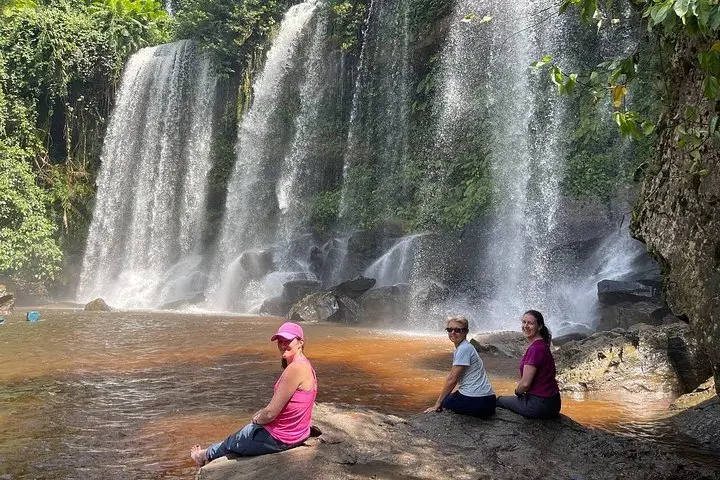
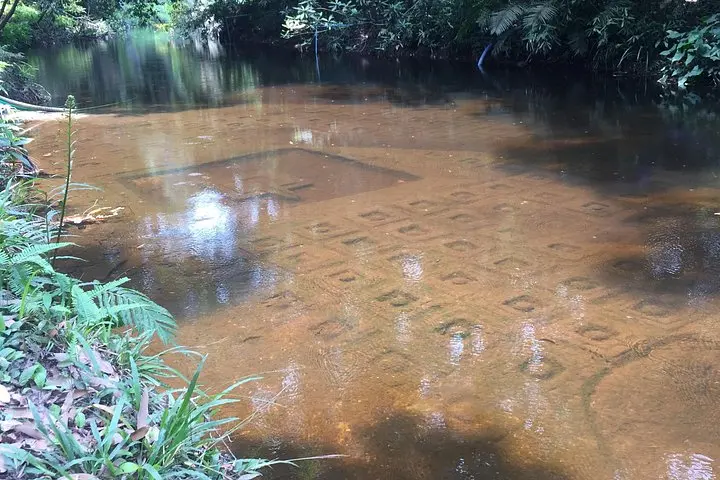
The mountain holds layers of history: sandstone beds sculpted by ancient flows, bas-relief carvings in the River of a Thousand Lingas, and a giant reclining Buddha cut into the rock. Locals still come here on pilgrimage; the carvings once marked sacred channels and symbolized royal fertility in the early Khmer state. Geologically, Kulen is an upland outcrop of sandstone and laterite that feeds seasonal waterfalls and the small streams that plunge into clear plunge pools.
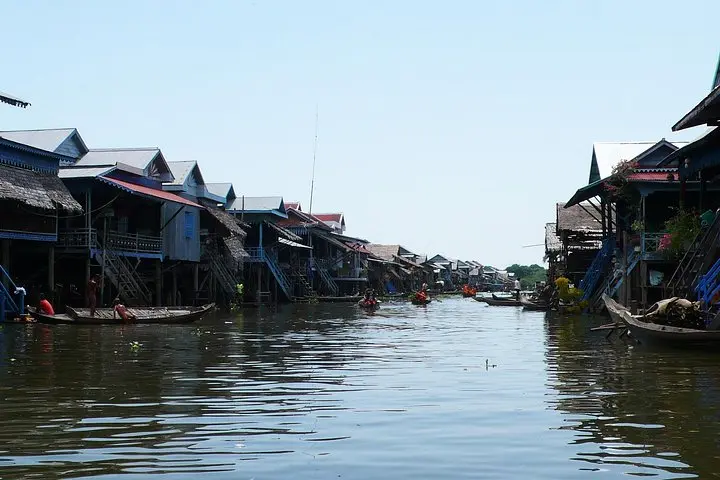
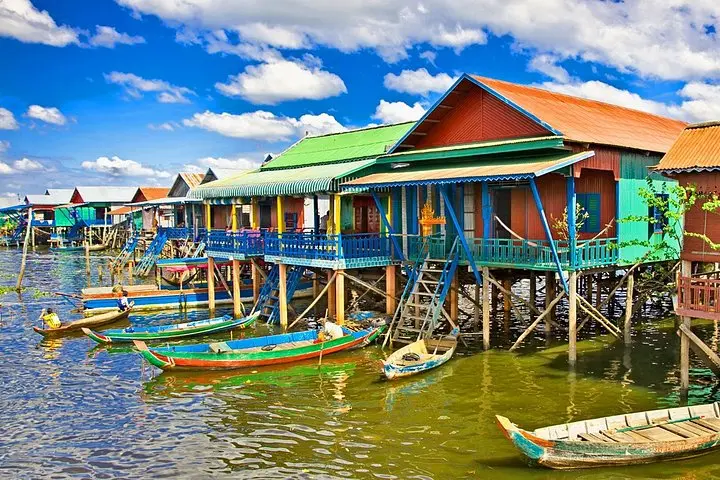
Afternoon brings Tonle Sap’s broad horizon at Kompong Phluk, where stilted communities rise and fall with the lake. Boats slip through mangrove-like branches and households hang laundry and nets from stilts — daily life arranged vertically to the rhythm of the water.
Expect easy walks to viewpoints, short stair climbs to temple platforms, a refreshing swim under the falls in warmer months, and a calm boat ride through the floating village. Guides explain the carvings and local fishing practices; admission fees to sites may be separate.
Practical edge: wear sturdy water shoes for wet rock, bring cash for small entrance fees and village purchases, and plan for humidity — mid-morning and late afternoon are best for photos and smaller crowds. Respect temple dress code: knees and shoulders covered. Hydrate frequently and carry a lightweight rain layer during monsoon months.
Not always; some sites within Phnom Kulen and certain boat fees at Kompong Phluk can be separate—confirm with your operator before travel.
Yes; the itinerary is family-friendly but supervise children around slippery rocks and near water.
Swimming is common in warm months but depends on water levels and local advice—follow guide instructions for safety.
Yes—especially for morning and late-afternoon at Tonle Sap; bring repellent with DEET or picaridin for protection.
Peacock Asia Tours operates guided outdoor trips and adventures with an emphasis on safety, stewardship, and memorable experiences.
You arrive before the crowd, the road slipping through rice paddies until the trees rise and the air turns cooler — Phnom Kulen’s ridgeline announces itself with a steady, green hush.
You arrive before the crowd, the road slipping through rice paddies until the trees rise and the air turns cooler — Phnom Kulen’s ridgeline announces itself with a steady, green hush.
The mountain holds layers of history: sandstone beds sculpted by ancient flows, bas-relief carvings in the River of a Thousand Lingas, and a giant reclining Buddha cut into the rock. Locals still come here on pilgrimage; the carvings once marked sacred channels and symbolized royal fertility in the early Khmer state. Geologically, Kulen is an upland outcrop of sandstone and laterite that feeds seasonal waterfalls and the small streams that plunge into clear plunge pools.
Afternoon brings Tonle Sap’s broad horizon at Kompong Phluk, where stilted communities rise and fall with the lake. Boats slip through mangrove-like branches and households hang laundry and nets from stilts — daily life arranged vertically to the rhythm of the water.
Expect easy walks to viewpoints, short stair climbs to temple platforms, a refreshing swim under the falls in warmer months, and a calm boat ride through the floating village. Guides explain the carvings and local fishing practices; admission fees to sites may be separate.
Practical edge: wear sturdy water shoes for wet rock, bring cash for small entrance fees and village purchases, and plan for humidity — mid-morning and late afternoon are best for photos and smaller crowds. Respect temple dress code: knees and shoulders covered. Hydrate frequently and carry a lightweight rain layer during monsoon months.