THE ADVENTURE COLLECTIVE® · Independent discovery and booking for outdoor travel

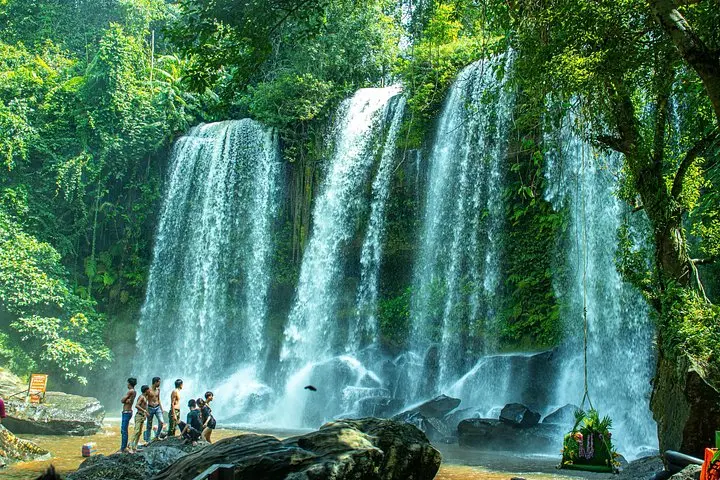
Skip the buses and take a private day trip to Phnom Kulen: carved riverbeds, a colossal reclining Buddha, and a cool plunge pool at Kulen Waterfall. This guided tour pairs cultural history with rural village stops and a local lunch.
Skip the buses and take a private day trip to Phnom Kulen: carved riverbeds, a colossal reclining Buddha, and a cool plunge pool at Kulen Waterfall. This guided tour pairs cultural history with rural village stops and a local lunch.
Morning light slices through tall dipterocarp and teak as your air‑conditioned ride climbs from Siem Reap toward Phnom Kulen. The road opens onto a rocky plateau; wind picks up dust and the distant roar of the waterfall grows louder. At the trailhead, palms and bamboo frame the path and the guide points toward a carved riverbed—stone seats the story of an empire.
Verified experiences and guided adventures in the surrounding area.
Operated by CWE Travel · Phnom Kulen, Siem Reap Province
Morning light slices through tall dipterocarp and teak as your air‑conditioned ride climbs from Siem Reap toward Phnom Kulen. The road opens onto a rocky plateau; wind picks up dust and the distant roar of the waterfall grows louder. At the trailhead, palms and bamboo frame the path and the guide points toward a carved riverbed—stone seats the story of an empire.
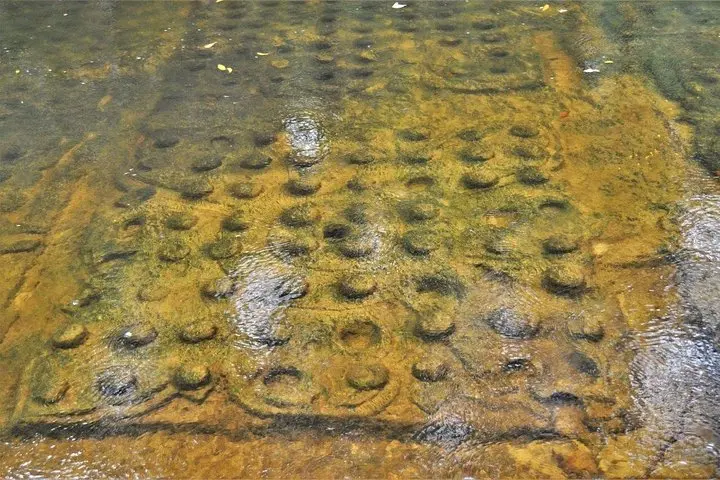
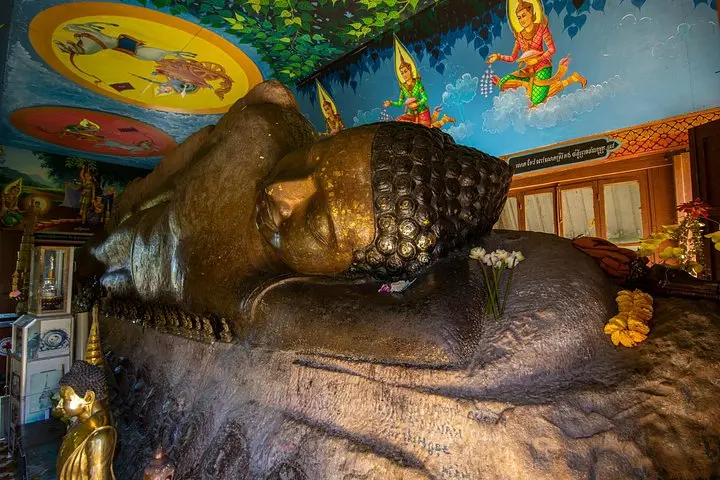
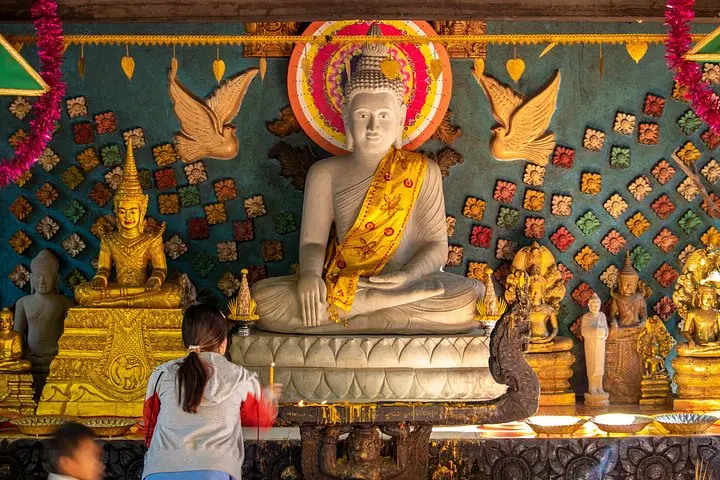
Phnom Kulen is more than a scenic hike. In 802 AD King Jayavarman II proclaimed the Khmer kingdom here, and the park’s sandstone has been shaped by centuries of ritual and weather. Geologically, Kulen is a sandstone massif whose seasonal streams cut shallow channels; the River of a Thousand Lingas bears hundreds of small carved reliefs celebrating fertility and kingship. Wat Preah Ang Thom anchors the cultural side of the visit with its large reclining Buddha carved from bedrock; nearby, the Kulen Waterfall tumbles into cool plunge pools that have been sacred to Hindus and Buddhists for generations.
The tour weaves village stops—see traditional palm‑sugar production and taste local snacks—into nature and culture, offering both interpretation and practical access. Expect unpaved trails, rocky ledges, and slick surfaces near the falls; the guide times swims and temple visits to avoid crowds.
Practical guidance: wear grippy shoes, bring swimwear and quick‑dry clothes, and use biodegradable sunscreen and repellent. Carry water and a small towel; phones and cameras get wet at the falls. Respect temple areas (cover shoulders and knees) and avoid stepping on the carved lingas. The best light for photos is early morning and late afternoon; monsoon months mean stronger currents and muddier trails. This is a full, rewarding day trip blending light hiking, cultural history, and a refreshing dip in one of Cambodia’s most storied landscapes.
This is a full‑day private tour lasting about 7–8 hours; pickup typically begins around 8:00 a.m. with departure by 8:30 a.m.
Yes; entrance fees and an authentic Cambodian lunch with vegetarian options are included in the tour price.
Yes—many visitors swim in the plunge pools when conditions are calm, but follow your guide’s advice about current strength and safety.
Generally yes—paths are manageable for older children, but supervision is required near cliffs, slippery rocks, and fast water; not recommended for infants to roam freely.
CWE Travel operates guided outdoor trips and adventures with an emphasis on safety, stewardship, and memorable experiences.
Morning light slices through tall dipterocarp and teak as your air‑conditioned ride climbs from Siem Reap toward Phnom Kulen. The road opens onto a rocky plateau; wind picks up dust and the distant roar of the waterfall grows louder. At the trailhead, palms and bamboo frame the path and the guide points toward a carved riverbed—stone seats the story of an empire.
Morning light slices through tall dipterocarp and teak as your air‑conditioned ride climbs from Siem Reap toward Phnom Kulen. The road opens onto a rocky plateau; wind picks up dust and the distant roar of the waterfall grows louder. At the trailhead, palms and bamboo frame the path and the guide points toward a carved riverbed—stone seats the story of an empire.
Phnom Kulen is more than a scenic hike. In 802 AD King Jayavarman II proclaimed the Khmer kingdom here, and the park’s sandstone has been shaped by centuries of ritual and weather. Geologically, Kulen is a sandstone massif whose seasonal streams cut shallow channels; the River of a Thousand Lingas bears hundreds of small carved reliefs celebrating fertility and kingship. Wat Preah Ang Thom anchors the cultural side of the visit with its large reclining Buddha carved from bedrock; nearby, the Kulen Waterfall tumbles into cool plunge pools that have been sacred to Hindus and Buddhists for generations.
The tour weaves village stops—see traditional palm‑sugar production and taste local snacks—into nature and culture, offering both interpretation and practical access. Expect unpaved trails, rocky ledges, and slick surfaces near the falls; the guide times swims and temple visits to avoid crowds.
Practical guidance: wear grippy shoes, bring swimwear and quick‑dry clothes, and use biodegradable sunscreen and repellent. Carry water and a small towel; phones and cameras get wet at the falls. Respect temple areas (cover shoulders and knees) and avoid stepping on the carved lingas. The best light for photos is early morning and late afternoon; monsoon months mean stronger currents and muddier trails. This is a full, rewarding day trip blending light hiking, cultural history, and a refreshing dip in one of Cambodia’s most storied landscapes.