THE ADVENTURE COLLECTIVE® · Independent discovery and booking for outdoor travel

Escape Angkor’s crowds for a day on Phnom Kulen: a sacred mountain of carved riverbeds, a giant reclining Buddha and a waterfall you can swim beneath. This full-day small-group tour mixes cultural insight with light hiking and natural highlights.
Escape Angkor’s crowds for a day on Phnom Kulen: a sacred mountain of carved riverbeds, a giant reclining Buddha and a waterfall you can swim beneath. This full-day small-group tour mixes cultural insight with light hiking and natural highlights.
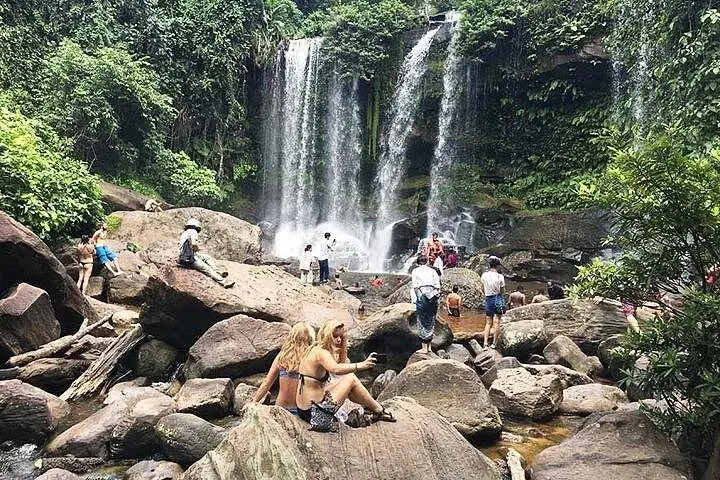
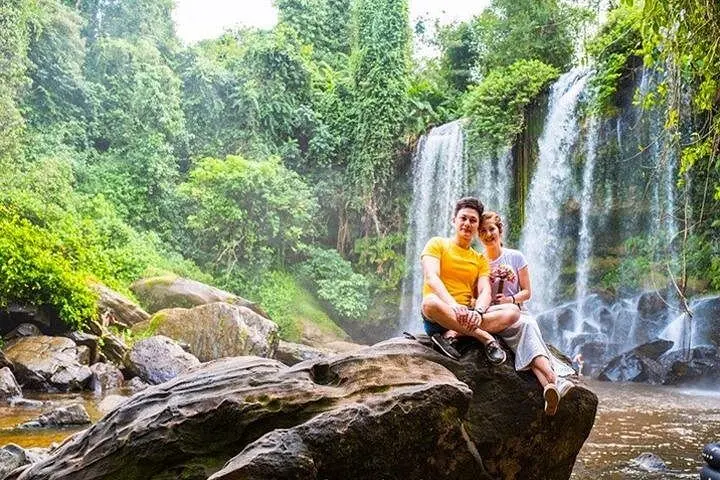
A humid morning road from Siem Reap opens onto a different Cambodia: the highway thins, rice paddies give way to a low, forested plateau, and the air tastes greener. By mid-morning you reach Phnom Kulen, a holy upland where limestone outcrops, mossy sandstone carvings and a wide, tumbling waterfall create an environment that still feels little-visited compared with the Angkor temples.
Verified experiences and guided adventures in the surrounding area.
Operated by Angkor Dynasty Travel · Siem Reap, Siem Reap Province
A humid morning road from Siem Reap opens onto a different Cambodia: the highway thins, rice paddies give way to a low, forested plateau, and the air tastes greener. By mid-morning you reach Phnom Kulen, a holy upland where limestone outcrops, mossy sandstone carvings and a wide, tumbling waterfall create an environment that still feels little-visited compared with the Angkor temples.
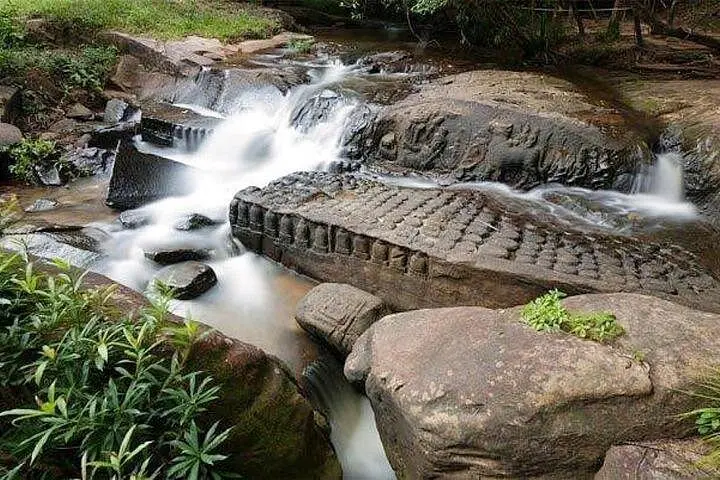
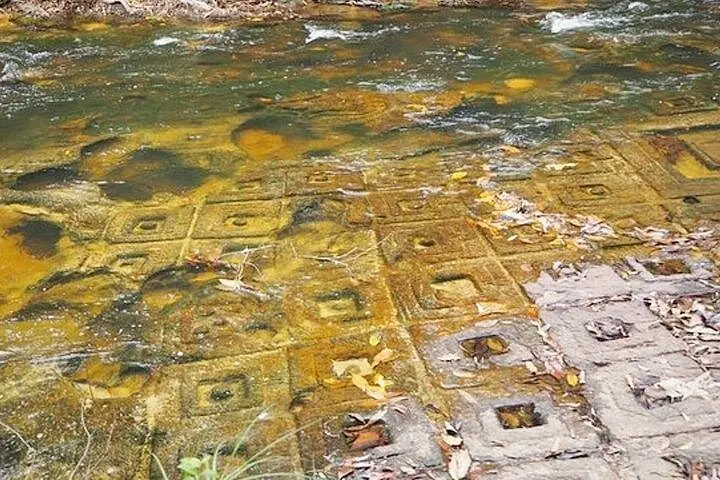
On the mountaintop the River of a Thousand Lingas runs slow and shallow over a carved bed of stone — an open-air shrine where ancient Khmer craftsmen chiseled hundreds of lingas into the rock to sanctify the flow. Nearby, a massive reclining Buddha carved onto a boulder keeps quiet company with jungle and pilgrim alike. Geologically, Phnom Kulen is an uplifted sandstone plateau whose erosional channels feed the waterfalls; culturally it has been a pilgrimage site since the Angkorian era and played a central role in King Jayavarman II’s declaration of the Khmer Empire.
Expect easy-to-moderate walking between sites, stone steps slick from spray, and a chance for a brisk swim beneath the Kulen cascades. Local guides explain ritual meanings, point out dated inscriptions, and advise on respectful behavior around shrines. Practicalities: the tour is a full day with hotel transfer, bottled water and a small group van, so plan for sun protection, secure footwear for slippery rocks, and modest clothing for temple areas.
Timing visits early or late in the day reduces crowds and gives the light through the trees a sharper, more photogenic edge.
Expect roughly 1–1.5 hours each way depending on traffic and road conditions; the tour is full-day to allow time at multiple sites.
Most small-group tours include national park entrance; confirm at booking and carry local cash for any additional fees or donations.
Yes, swimming is commonly permitted in designated pools below the falls but always follow the guide’s advice about currents and safety.
Families can visit but should supervise children closely near fast water and uneven terrain; the tour notes infants must sit on laps.
Angkor Dynasty Travel operates guided outdoor trips and adventures with an emphasis on safety, stewardship, and memorable experiences.
A humid morning road from Siem Reap opens onto a different Cambodia: the highway thins, rice paddies give way to a low, forested plateau, and the air tastes greener. By mid-morning you reach Phnom Kulen, a holy upland where limestone outcrops, mossy sandstone carvings and a wide, tumbling waterfall create an environment that still feels little-visited compared with the Angkor temples.
A humid morning road from Siem Reap opens onto a different Cambodia: the highway thins, rice paddies give way to a low, forested plateau, and the air tastes greener. By mid-morning you reach Phnom Kulen, a holy upland where limestone outcrops, mossy sandstone carvings and a wide, tumbling waterfall create an environment that still feels little-visited compared with the Angkor temples.
On the mountaintop the River of a Thousand Lingas runs slow and shallow over a carved bed of stone — an open-air shrine where ancient Khmer craftsmen chiseled hundreds of lingas into the rock to sanctify the flow. Nearby, a massive reclining Buddha carved onto a boulder keeps quiet company with jungle and pilgrim alike. Geologically, Phnom Kulen is an uplifted sandstone plateau whose erosional channels feed the waterfalls; culturally it has been a pilgrimage site since the Angkorian era and played a central role in King Jayavarman II’s declaration of the Khmer Empire.
Expect easy-to-moderate walking between sites, stone steps slick from spray, and a chance for a brisk swim beneath the Kulen cascades. Local guides explain ritual meanings, point out dated inscriptions, and advise on respectful behavior around shrines. Practicalities: the tour is a full day with hotel transfer, bottled water and a small group van, so plan for sun protection, secure footwear for slippery rocks, and modest clothing for temple areas.
Timing visits early or late in the day reduces crowds and gives the light through the trees a sharper, more photogenic edge.