THE ADVENTURE COLLECTIVE® · Independent discovery and booking for outdoor travel

A full-day trek from Siem Reap to Phnom Kulen combines jungle trails, sacred river carvings and a dramatic waterfall swim. Expect short hikes, cultural sites including the Reclining Buddha, and clear swimming pools beneath the main cascade.
A full-day trek from Siem Reap to Phnom Kulen combines jungle trails, sacred river carvings and a dramatic waterfall swim. Expect short hikes, cultural sites including the Reclining Buddha, and clear swimming pools beneath the main cascade.
You leave Siem Reap before sunrise and the road narrows, trees pressing close until the forest opens onto a rocky plateau. Mist lifts from shallow channels carved with ancient linga carvings; the river seems to trace Khmer ritual with every ripple. The falls thunder ahead — a step into cool spray and a welcome for tired city legs.
Verified experiences and guided adventures in the surrounding area.
Operated by Asia Group Tour · Siem Reap, Siem Reap Province
You leave Siem Reap before sunrise and the road narrows, trees pressing close until the forest opens onto a rocky plateau. Mist lifts from shallow channels carved with ancient linga carvings; the river seems to trace Khmer ritual with every ripple. The falls thunder ahead — a step into cool spray and a welcome for tired city legs.
Phnom Kulen is both a geological uplift and a cultural crucible. The ridge is sandstone and laterite, sculpted into waterfalls and plunge pools that locals long considered sacred. In the 9th century this mountain was a ceremonial center; inscriptions and the River of a Thousand Lingas commemorate Jayavarman II’s rites that helped shape the Khmer state. The hilltop pagoda and the enormous Reclining Buddha add contemporary devotional life to the archaeological layer.
Expect jungle trails with uneven stone, short treks to viewpoints, shallow carved riverbeds you can walk across, and a cooling swim beneath the main cascade. Locals sell seasonal fruit and snacks near the site; guides often explain the symbolism of the lingas and the importance of the mountain to Cambodian identity.
Practical tips: start early to avoid heat and crowds, wear grippy shoes for slippery rocks, carry a refillable bottle, and bring modest clothing for the pagoda. Photography is allowed, but treat carved riverbeds and religious structures with respect — avoid standing on the oldest carvings. The full-day tour runs about 7–8 hours with hotel pickup included and light walking suitable for most fitness levels. If you want solitude, ask to linger at smaller pools away from the main falls.
The join-in tour lasts about 7–8 hours and typically includes hotel pickup/drop-off, entrance fees, an English-speaking guide, light local snacks, and transportation in an air-conditioned van.
Yes — there are designated swimming pools below the main cascade; use caution on slippery rocks and follow guide instructions regarding safe areas.
Visitors can walk along and view the carved riverbed; these are ancient religious carvings—do not climb or stand on the carvings and be respectful.
The trip involves uneven terrain and some steps; while generally rated easy, it’s not recommended for those with serious mobility constraints or recent spinal/heart issues.
Asia Group Tour operates guided outdoor trips and adventures with an emphasis on safety, stewardship, and memorable experiences.
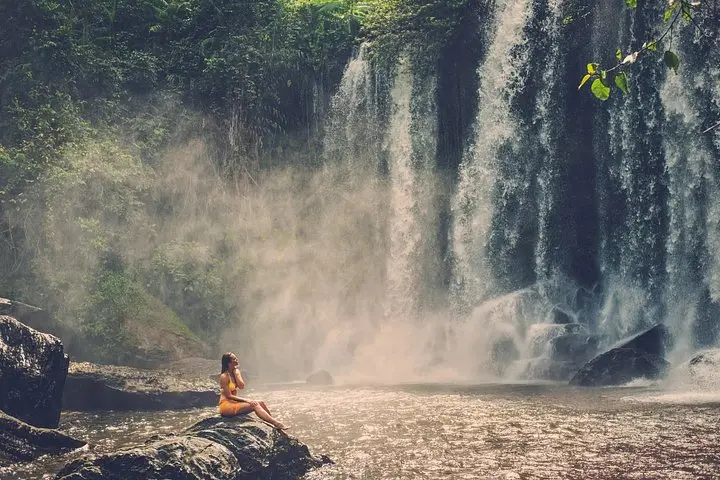
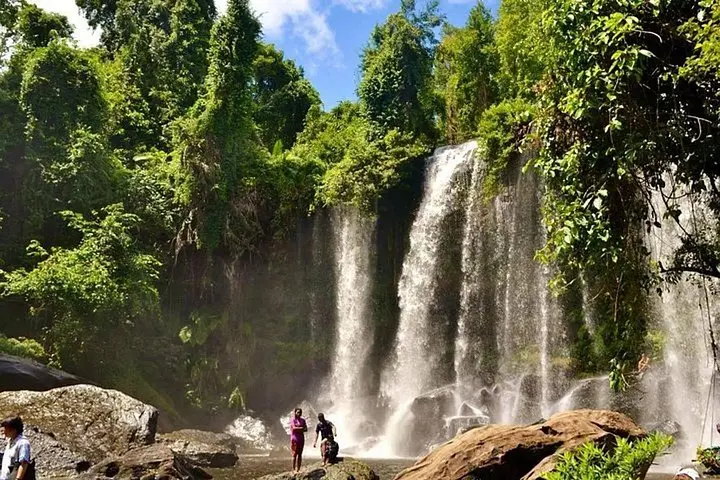
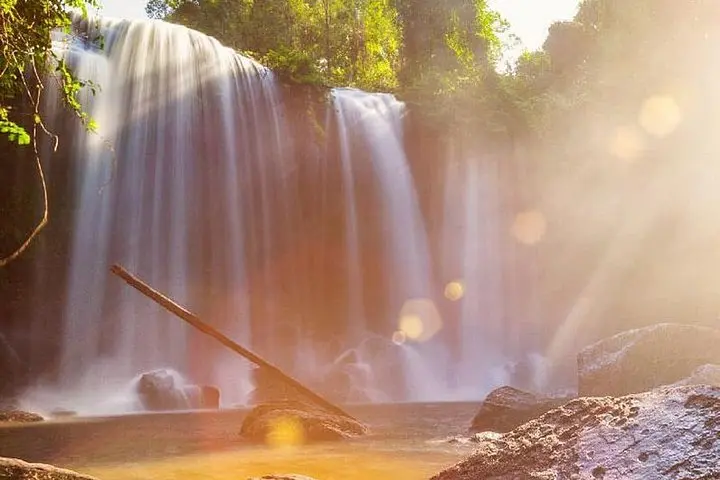
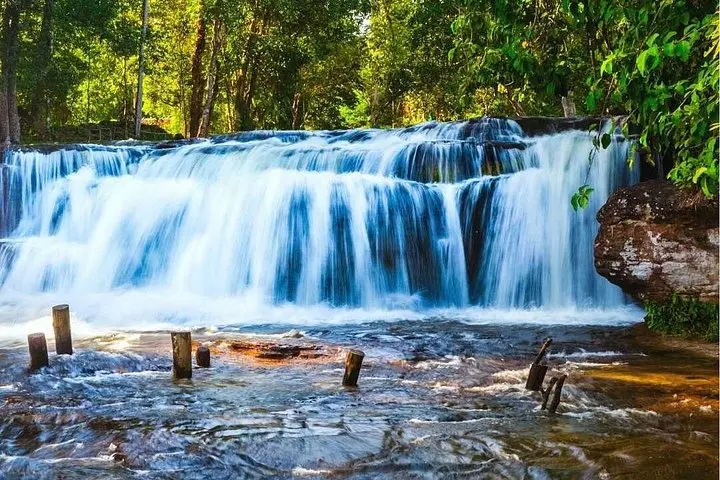
You leave Siem Reap before sunrise and the road narrows, trees pressing close until the forest opens onto a rocky plateau. Mist lifts from shallow channels carved with ancient linga carvings; the river seems to trace Khmer ritual with every ripple. The falls thunder ahead — a step into cool spray and a welcome for tired city legs.
You leave Siem Reap before sunrise and the road narrows, trees pressing close until the forest opens onto a rocky plateau. Mist lifts from shallow channels carved with ancient linga carvings; the river seems to trace Khmer ritual with every ripple. The falls thunder ahead — a step into cool spray and a welcome for tired city legs.
Phnom Kulen is both a geological uplift and a cultural crucible. The ridge is sandstone and laterite, sculpted into waterfalls and plunge pools that locals long considered sacred. In the 9th century this mountain was a ceremonial center; inscriptions and the River of a Thousand Lingas commemorate Jayavarman II’s rites that helped shape the Khmer state. The hilltop pagoda and the enormous Reclining Buddha add contemporary devotional life to the archaeological layer.
Expect jungle trails with uneven stone, short treks to viewpoints, shallow carved riverbeds you can walk across, and a cooling swim beneath the main cascade. Locals sell seasonal fruit and snacks near the site; guides often explain the symbolism of the lingas and the importance of the mountain to Cambodian identity.
Practical tips: start early to avoid heat and crowds, wear grippy shoes for slippery rocks, carry a refillable bottle, and bring modest clothing for the pagoda. Photography is allowed, but treat carved riverbeds and religious structures with respect — avoid standing on the oldest carvings. The full-day tour runs about 7–8 hours with hotel pickup included and light walking suitable for most fitness levels. If you want solitude, ask to linger at smaller pools away from the main falls.