THE ADVENTURE COLLECTIVE® · Independent discovery and booking for outdoor travel

See Phnom Penh at a human pace: a private cyclo driver and local guide take you from Wat Phnom and colonial boulevards to lively markets and hidden coffee stalls. This four-hour ride balances history, local flavor, and practical insights for first-time visitors.
See Phnom Penh at a human pace: a private cyclo driver and local guide take you from Wat Phnom and colonial boulevards to lively markets and hidden coffee stalls. This four-hour ride balances history, local flavor, and practical insights for first-time visitors.
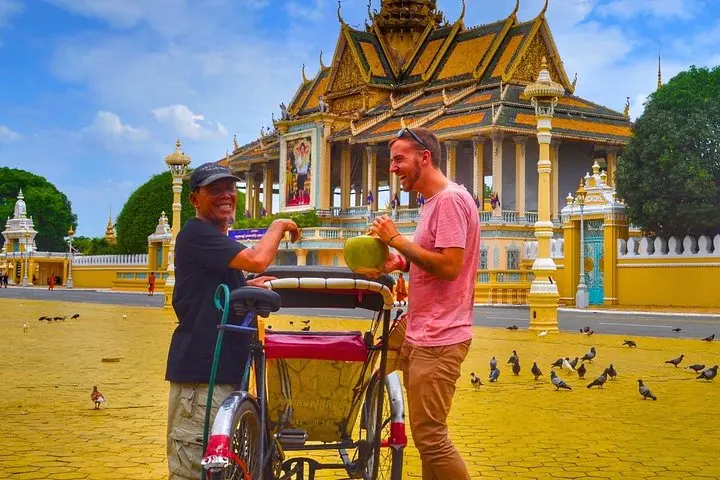
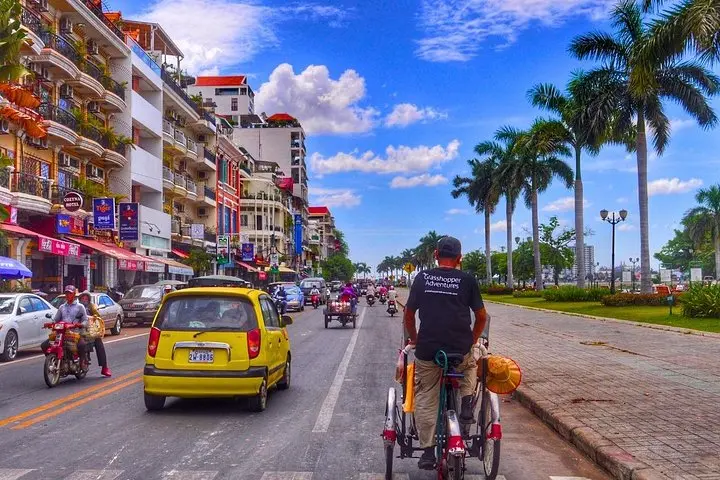
The cyclo pivots into a corridor of motorbikes and vendors; the warm air carries brewing coffee, incense, and the distant bell of a temple. Pedaling through Phnom Penh by cyclo compresses the city’s scale—tight alleys open to broad river boulevards, colonial facades give way to bright market stalls, and the guide points out history between stops.
Verified experiences and guided adventures in the surrounding area.
Operated by Discova Southeast Asia · Phnom Penh, Phnom Penh
The cyclo pivots into a corridor of motorbikes and vendors; the warm air carries brewing coffee, incense, and the distant bell of a temple. Pedaling through Phnom Penh by cyclo compresses the city’s scale—tight alleys open to broad river boulevards, colonial facades give way to bright market stalls, and the guide points out history between stops.
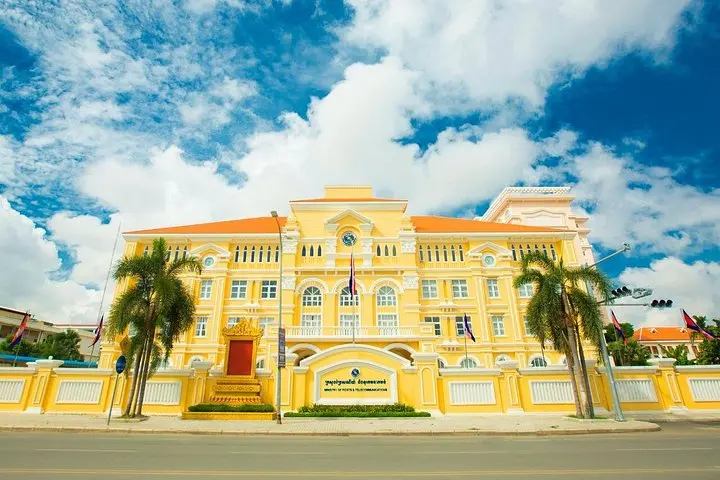
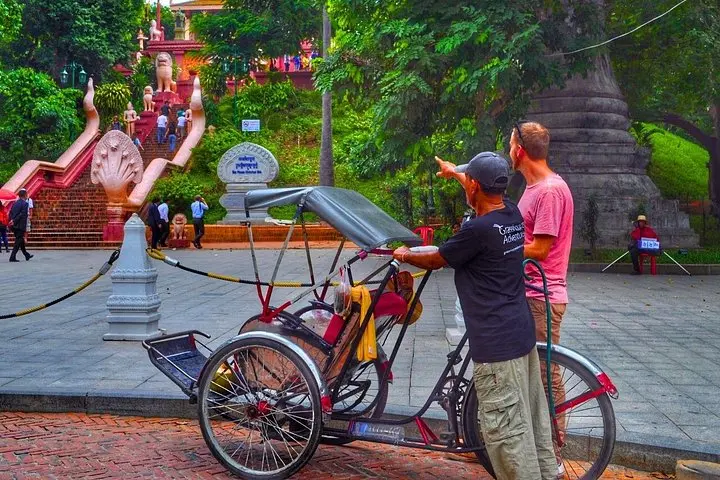
Phnom Penh grew where the Tonlé Sap and Mekong rivers meet, a riverside capital shaped by trade, French colonial planning and the upheavals of the 20th century. Wat Phnom (built 1372) stands on a man-made hill and anchors local origin stories, while the Royal Palace and Independence Monument recall the monarchy and post-colonial nationhood. The Central Post Office, with its French colonial lines, offers a quick architecture lesson amid the bustle.
Expect a largely flat, four-hour route with frequent short stops: photo pauses at landmarks, a break for market snacks and a chance to watch cyclo navigation through tight streets. The experience emphasizes local life—coffee carts, Khmer street food, and neighborhood shrines—more than indoor museum time.
Practical notes: dress respectfully for temple views (shoulders and knees covered), carry cash for snacks and small purchases, and bring sunscreen and a refillable water bottle—the sun and humidity move fast. Wear lightweight, closed-toe shoes for short walks and be prepared for traffic noise; your cyclo driver handles most navigation, but keep valuables close. End at Botumvatey Pagoda or ask your guide to arrange onward transport; it’s an efficient, adaptable way to read the city in a single, sensory-packed loop.
Tipping is customary; a small tip for the driver and guide at the end of the tour is appreciated and common practice.
Yes—this is a low-impact, seated tour with short walks, suitable for families and older guests; notify suppliers of mobility needs when booking.
This tour stops outside the Royal Palace for commentary; entry can be arranged separately but is not included in the standard itinerary.
Heavy rain during the wet season can make streets slippery and cooling options limited; tours often continue but check cancellation policy for severe weather.
Discova Southeast Asia operates guided outdoor trips and adventures with an emphasis on safety, stewardship, and memorable experiences.
The cyclo pivots into a corridor of motorbikes and vendors; the warm air carries brewing coffee, incense, and the distant bell of a temple. Pedaling through Phnom Penh by cyclo compresses the city’s scale—tight alleys open to broad river boulevards, colonial facades give way to bright market stalls, and the guide points out history between stops.
The cyclo pivots into a corridor of motorbikes and vendors; the warm air carries brewing coffee, incense, and the distant bell of a temple. Pedaling through Phnom Penh by cyclo compresses the city’s scale—tight alleys open to broad river boulevards, colonial facades give way to bright market stalls, and the guide points out history between stops.
Phnom Penh grew where the Tonlé Sap and Mekong rivers meet, a riverside capital shaped by trade, French colonial planning and the upheavals of the 20th century. Wat Phnom (built 1372) stands on a man-made hill and anchors local origin stories, while the Royal Palace and Independence Monument recall the monarchy and post-colonial nationhood. The Central Post Office, with its French colonial lines, offers a quick architecture lesson amid the bustle.
Expect a largely flat, four-hour route with frequent short stops: photo pauses at landmarks, a break for market snacks and a chance to watch cyclo navigation through tight streets. The experience emphasizes local life—coffee carts, Khmer street food, and neighborhood shrines—more than indoor museum time.
Practical notes: dress respectfully for temple views (shoulders and knees covered), carry cash for snacks and small purchases, and bring sunscreen and a refillable water bottle—the sun and humidity move fast. Wear lightweight, closed-toe shoes for short walks and be prepared for traffic noise; your cyclo driver handles most navigation, but keep valuables close. End at Botumvatey Pagoda or ask your guide to arrange onward transport; it’s an efficient, adaptable way to read the city in a single, sensory-packed loop.