THE ADVENTURE COLLECTIVE® · Independent discovery and booking for outdoor travel

Spend a day tracing Phnom Penh’s layered history: gilded palaces and bustling markets contrast with sobering memorials from the Khmer Rouge era. This 5–6 hour private tour blends cultural context, local color and practical logistics for a grounded city experience.
Spend a day tracing Phnom Penh’s layered history: gilded palaces and bustling markets contrast with sobering memorials from the Khmer Rouge era. This 5–6 hour private tour blends cultural context, local color and practical logistics for a grounded city experience.
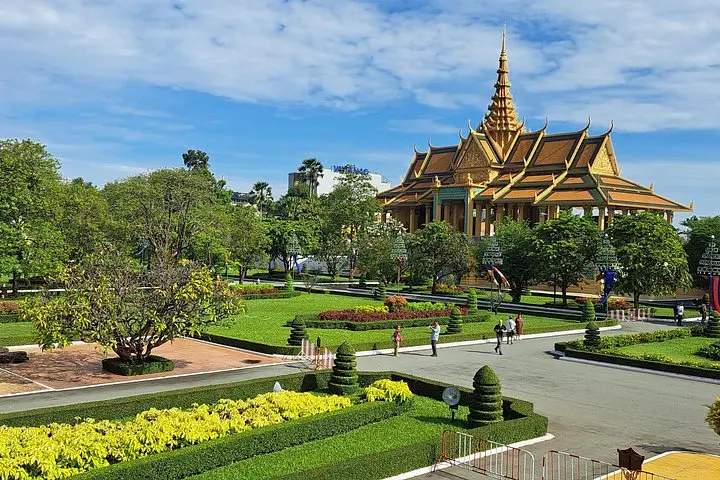
You step onto Sisowath Quay as the Mekong nudges the city’s edge, boats churning like impatient guides. The royal complex rises ahead in lacquered gold and green roofs; lacquer and stone speak to a monarchy still at work, while markets and street vendors keep the city moving.
Verified experiences and guided adventures in the surrounding area.
Operated by Phnom Penh (Cambodia) Tourist Guide · Phnom Penh, Phnom Penh
You step onto Sisowath Quay as the Mekong nudges the city’s edge, boats churning like impatient guides. The royal complex rises ahead in lacquered gold and green roofs; lacquer and stone speak to a monarchy still at work, while markets and street vendors keep the city moving.
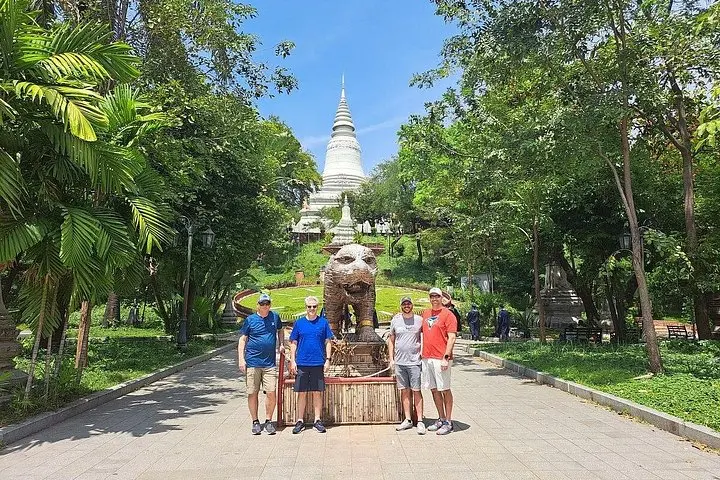
This full-day circuit moves from the Royal Palace and the Silver Pagoda — home to a 90-kg gilded Buddha and glittering gems — through Wat Phnom and colonial boulevards to the darker chapters at Tuol Sleng (S-21) and Choeung Ek (the Killing Fields). Phnom Penh sits where the Mekong, Tonle Sap and Bassac rivers braid across an alluvial plain, which made it a natural trading post under Khmer and later French rule. The city’s architecture is a mix: French-colonial facades, Khmer temple forms, and pragmatic market rows.
Expect a balanced day of short walks, layered sights, and heavy historical context. Guides typically cover cultural notes on Buddhism and Cambodia’s 20th-century history before moving to sites that require quieter respect. Markets like the Russian Market offer tactile contrasts — silks, crafts and street food.
Practical guide: the tour runs about 5–6 hours, mostly flat walking with several stops. Bring modest clothing for temples, cash small denominations for admissions and souvenirs, and a refillable water bottle; operators usually provide cold water. Photography is allowed in many areas but restricted inside some religious buildings and at memorial sites; follow your guide’s directions. Start early to avoid midday heat and allocate time to process the more somber memorials.
Most private tours include transportation and guide services but not all entrance fees; confirm with the operator — expect separate admissions for the Silver Pagoda and Choeung Ek.
Pickup and drop-off are commonly provided for central Phnom Penh hotels; your booking should specify pickup point and time.
The tour is family-friendly, but sites like Tuol Sleng and Choeung Ek can be emotionally heavy; it’s not recommended for travelers with serious spinal or cardiovascular conditions per operator notes.
Photography is allowed in many outdoor areas, but the Silver Pagoda and some museum exhibits restrict photos — always follow signage and your guide’s instructions.
Phnom Penh (Cambodia) Tourist Guide operates guided outdoor trips and adventures with an emphasis on safety, stewardship, and memorable experiences.
You step onto Sisowath Quay as the Mekong nudges the city’s edge, boats churning like impatient guides. The royal complex rises ahead in lacquered gold and green roofs; lacquer and stone speak to a monarchy still at work, while markets and street vendors keep the city moving.
You step onto Sisowath Quay as the Mekong nudges the city’s edge, boats churning like impatient guides. The royal complex rises ahead in lacquered gold and green roofs; lacquer and stone speak to a monarchy still at work, while markets and street vendors keep the city moving.
This full-day circuit moves from the Royal Palace and the Silver Pagoda — home to a 90-kg gilded Buddha and glittering gems — through Wat Phnom and colonial boulevards to the darker chapters at Tuol Sleng (S-21) and Choeung Ek (the Killing Fields). Phnom Penh sits where the Mekong, Tonle Sap and Bassac rivers braid across an alluvial plain, which made it a natural trading post under Khmer and later French rule. The city’s architecture is a mix: French-colonial facades, Khmer temple forms, and pragmatic market rows.
Expect a balanced day of short walks, layered sights, and heavy historical context. Guides typically cover cultural notes on Buddhism and Cambodia’s 20th-century history before moving to sites that require quieter respect. Markets like the Russian Market offer tactile contrasts — silks, crafts and street food.
Practical guide: the tour runs about 5–6 hours, mostly flat walking with several stops. Bring modest clothing for temples, cash small denominations for admissions and souvenirs, and a refillable water bottle; operators usually provide cold water. Photography is allowed in many areas but restricted inside some religious buildings and at memorial sites; follow your guide’s directions. Start early to avoid midday heat and allocate time to process the more somber memorials.