THE ADVENTURE COLLECTIVE® · Independent discovery and booking for outdoor travel

Spend a full day exploring Phnom Penh’s cultural landmarks from the shimmering Royal Palace to the sobering Tuol Sleng Genocide Museum. This private tour pairs historical context with practical logistics, ideal for travelers who want depth and comfort in one day.
Spend a full day exploring Phnom Penh’s cultural landmarks from the shimmering Royal Palace to the sobering Tuol Sleng Genocide Museum. This private tour pairs historical context with practical logistics, ideal for travelers who want depth and comfort in one day.
You step from an air‑conditioned minivan into a city where two rivers argue with each other at the waterline — the Mekong daring the Tonlé Sap for space — and the heat presses the colors of the façades into sharp relief.
Verified experiences and guided adventures in the surrounding area.
Operated by Mekong Tourist · Phnom Penh, Phnom Penh
You step from an air‑conditioned minivan into a city where two rivers argue with each other at the waterline — the Mekong daring the Tonlé Sap for space — and the heat presses the colors of the façades into sharp relief.
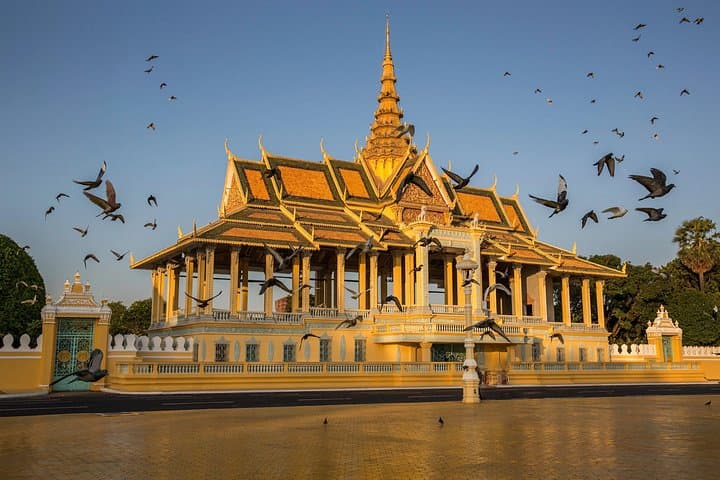
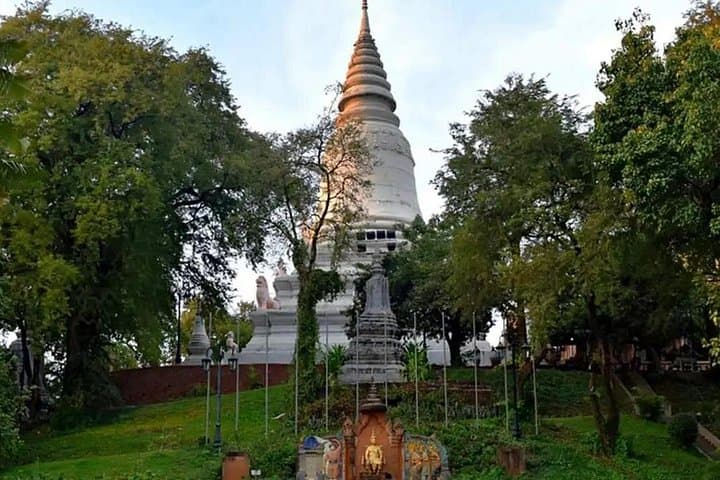
This full‑day private tour threads through Phnom Penh’s layered past: French colonial boulevards, Khmer royal ceremony, and the difficult memories of the Khmer Rouge. Begin at the Royal Palace complex, where gilded pavilions and the Silver Pagoda’s polished floor speak to royal ritual and craft. Walkable streets lead you to Independence Monument and the lotus‑shaped stupa — mid‑20th century architecture born of national rebirth.
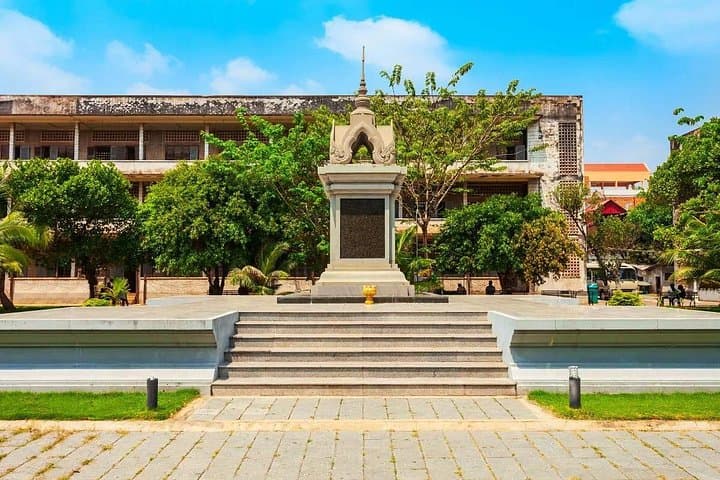
History tightens at Tuol Sleng (S‑21) and the Killing Fields; these are solemn sites of recent trauma rather than sightseeing highlights — approach with respect and quiet. Between those heavy stops you’ll find Wat Ounalom’s quiet courtyards and the airy, art‑deco bustle of Central Market, both giving texture to daily Phnom Penh life.
Practical guidance: dress modestly for temple visits, carry cash for small purchases and donations, and expect a full day of short walks and standing. Guides usually provide water and cold towels; shoes should be comfortable for uneven temple platforms.
Timing matters — mornings are cooler for palace photography and late afternoon light softens the riverside. If you want deeper context, ask your guide about Cambodia’s mid‑century urban planning, the role of the Mekong in local trade, and neighborhood food recommendations before you return to the riverside for sunset.
Yes — the tour is rated easy with vehicle transfers between sites; however, some memorial sites may be emotionally difficult for young children and those with mobility issues should check stairs at temple entries.
The tour description indicates admission to certain sites is included; confirm with your operator for specifics on which attractions are covered.
Photography is allowed at most outdoor areas and market spaces but is restricted inside certain buildings (for example, parts of the Silver Pagoda) and discouraged at memorial exhibits—follow guide instructions.
Yes, licensed guides typically provide historical context at Tuol Sleng and the Killing Fields; expect a factual, sensitive explanation and the option to skip details if preferred.
Mekong Tourist operates guided outdoor trips and adventures with an emphasis on safety, stewardship, and memorable experiences.

You step from an air‑conditioned minivan into a city where two rivers argue with each other at the waterline — the Mekong daring the Tonlé Sap for space — and the heat presses the colors of the façades into sharp relief.
You step from an air‑conditioned minivan into a city where two rivers argue with each other at the waterline — the Mekong daring the Tonlé Sap for space — and the heat presses the colors of the façades into sharp relief.
This full‑day private tour threads through Phnom Penh’s layered past: French colonial boulevards, Khmer royal ceremony, and the difficult memories of the Khmer Rouge. Begin at the Royal Palace complex, where gilded pavilions and the Silver Pagoda’s polished floor speak to royal ritual and craft. Walkable streets lead you to Independence Monument and the lotus‑shaped stupa — mid‑20th century architecture born of national rebirth.
History tightens at Tuol Sleng (S‑21) and the Killing Fields; these are solemn sites of recent trauma rather than sightseeing highlights — approach with respect and quiet. Between those heavy stops you’ll find Wat Ounalom’s quiet courtyards and the airy, art‑deco bustle of Central Market, both giving texture to daily Phnom Penh life.
Practical guidance: dress modestly for temple visits, carry cash for small purchases and donations, and expect a full day of short walks and standing. Guides usually provide water and cold towels; shoes should be comfortable for uneven temple platforms.
Timing matters — mornings are cooler for palace photography and late afternoon light softens the riverside. If you want deeper context, ask your guide about Cambodia’s mid‑century urban planning, the role of the Mekong in local trade, and neighborhood food recommendations before you return to the riverside for sunset.