THE ADVENTURE COLLECTIVE® · Independent discovery and booking for outdoor travel

Spend a day moving from the gilded ceremonial halls of the Royal Palace to the quiet fields of Choeung Ek. This guided tour combines Khmer art, living culture, and sobering history for a full, reflective day in Phnom Penh.
Spend a day moving from the gilded ceremonial halls of the Royal Palace to the quiet fields of Choeung Ek. This guided tour combines Khmer art, living culture, and sobering history for a full, reflective day in Phnom Penh.
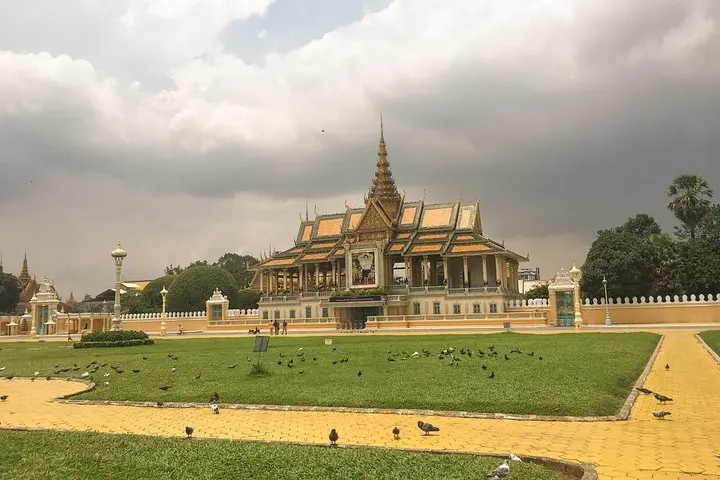
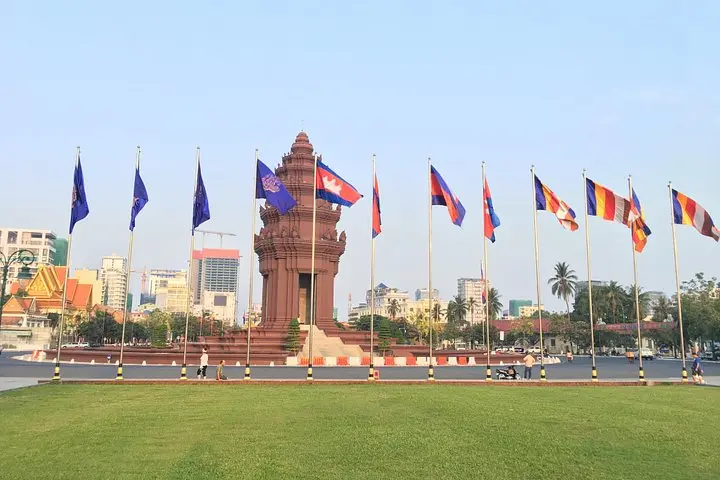
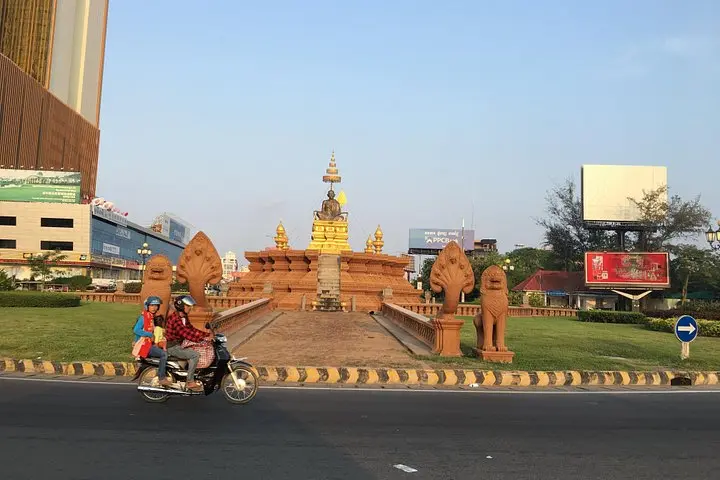
You arrive at the riverfront as the city wakes: tuk-tuks hum, the Mekong slips past, and gilded spires of the Royal Palace catch the low sun. The day moves from bright ceremonial spaces to somber, reflective sites—an emotional arc typical of any deep visit to Phnom Penh.
Verified experiences and guided adventures in the surrounding area.
Operated by Cambodia Taxi Driver · Phnom Penh, Phnom Penh
You arrive at the riverfront as the city wakes: tuk-tuks hum, the Mekong slips past, and gilded spires of the Royal Palace catch the low sun. The day moves from bright ceremonial spaces to somber, reflective sites—an emotional arc typical of any deep visit to Phnom Penh.
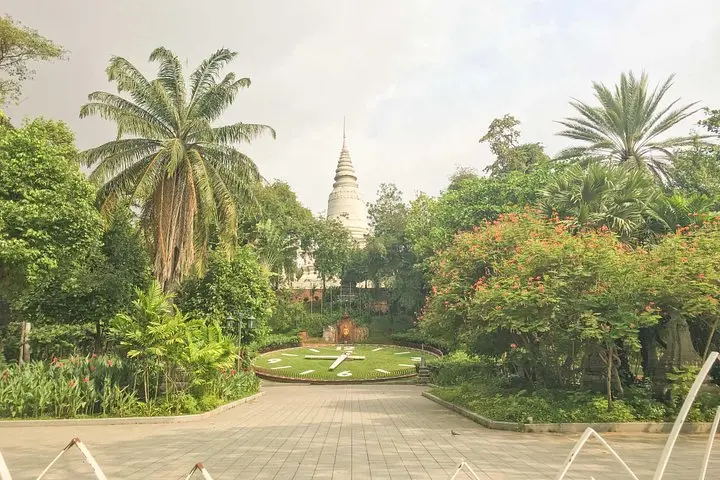
The Royal Palace (est. 1866) and adjacent Silver Pagoda display post-Angkorian architecture and living royal tradition. A short walk or drive brings you to the National Museum, home to Khmer sculpture and artifacts that trace religious shifts from Hindu to Theravada Buddhist practices. Then the tone shifts: Tuol Sleng (S-21) and Choeung Ek are forensic reminders of the Khmer Rouge era, sites that demand quiet attention and contextual understanding.
Geographically the city sits where the Tonle Sap meets the Mekong; river dynamics shaped Phnom Penh’s growth, trade, and neighborhoods you’ll pass. Culturally, expect ritual offerings at temple courtyards and vendors selling cold fruit along Sisowath Quay.
Practical guidance: plan 7–8 hours, start early to avoid midday heat and crowds. Dress respectfully—shoulders and knees covered—especially at religious sites; bring water and a sun hat. Photography is restricted at memorial sites and sometimes inside museums; follow guides’ directions. Allow space for the emotional weight of Tuol Sleng and Choeung Ek—these stops are educational, not scenic. Cash (riel or dollars) is useful for small donations and tips. If you want deeper context, ask your guide about repatriation efforts and ongoing conservation at the National Museum. This day trip is equal parts cultural immersion and quiet reflection, best approached with curiosity and respect.
Most tours suggest you cover entry fees on-site; check your booking details, but expect separate admissions for the Royal Palace and National Museum.
They are historically important but emotionally heavy; consider age and maturity and discuss sensitive topics beforehand.
US dollars are widely accepted alongside Cambodian riel; carry small bills for donations and tips.
Some sites offer accessible paths, but uneven surfaces at Choeung Ek may limit access; confirm accessibility needs with the operator before booking.
Cambodia Taxi Driver operates guided outdoor trips and adventures with an emphasis on safety, stewardship, and memorable experiences.
You arrive at the riverfront as the city wakes: tuk-tuks hum, the Mekong slips past, and gilded spires of the Royal Palace catch the low sun. The day moves from bright ceremonial spaces to somber, reflective sites—an emotional arc typical of any deep visit to Phnom Penh.
You arrive at the riverfront as the city wakes: tuk-tuks hum, the Mekong slips past, and gilded spires of the Royal Palace catch the low sun. The day moves from bright ceremonial spaces to somber, reflective sites—an emotional arc typical of any deep visit to Phnom Penh.
The Royal Palace (est. 1866) and adjacent Silver Pagoda display post-Angkorian architecture and living royal tradition. A short walk or drive brings you to the National Museum, home to Khmer sculpture and artifacts that trace religious shifts from Hindu to Theravada Buddhist practices. Then the tone shifts: Tuol Sleng (S-21) and Choeung Ek are forensic reminders of the Khmer Rouge era, sites that demand quiet attention and contextual understanding.
Geographically the city sits where the Tonle Sap meets the Mekong; river dynamics shaped Phnom Penh’s growth, trade, and neighborhoods you’ll pass. Culturally, expect ritual offerings at temple courtyards and vendors selling cold fruit along Sisowath Quay.
Practical guidance: plan 7–8 hours, start early to avoid midday heat and crowds. Dress respectfully—shoulders and knees covered—especially at religious sites; bring water and a sun hat. Photography is restricted at memorial sites and sometimes inside museums; follow guides’ directions. Allow space for the emotional weight of Tuol Sleng and Choeung Ek—these stops are educational, not scenic. Cash (riel or dollars) is useful for small donations and tips. If you want deeper context, ask your guide about repatriation efforts and ongoing conservation at the National Museum. This day trip is equal parts cultural immersion and quiet reflection, best approached with curiosity and respect.