THE ADVENTURE COLLECTIVE® · Independent discovery and booking for outdoor travel

Spend a crisp morning tasting Phnom Penh’s evolving coffee scene along the riverfront. Visit traditional Khmer house cafés, social enterprises and photo‑friendly spots while learning local coffee traditions and practical tips for navigating the city.
Spend a crisp morning tasting Phnom Penh’s evolving coffee scene along the riverfront. Visit traditional Khmer house cafés, social enterprises and photo‑friendly spots while learning local coffee traditions and practical tips for navigating the city.
You step off the tuk‑tuk into warm air scented with roasted beans and the Mekong river ticking against the quay. Sidewalk tables hum with early chatter as sunlight slides across Khmer lacquered wood and colonial facades; the city moves slow and deliberate on a morning like this.
Verified experiences and guided adventures in the surrounding area.
Operated by MyProGuide Cambodia · Phnom Penh, Phnom Penh
You step off the tuk‑tuk into warm air scented with roasted beans and the Mekong river ticking against the quay. Sidewalk tables hum with early chatter as sunlight slides across Khmer lacquered wood and colonial facades; the city moves slow and deliberate on a morning like this.
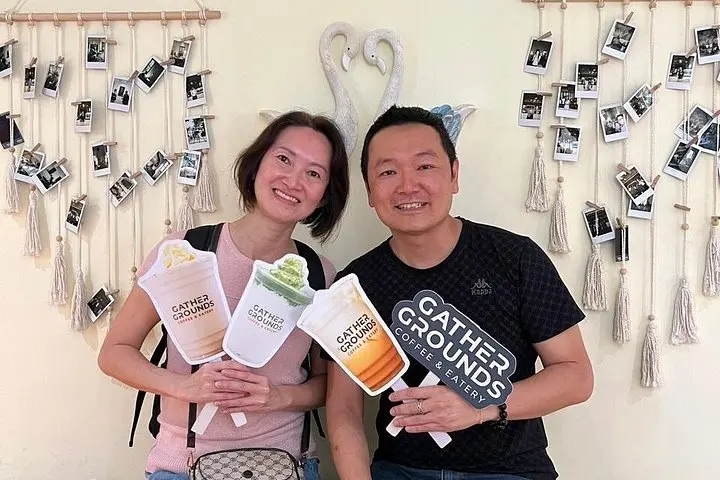
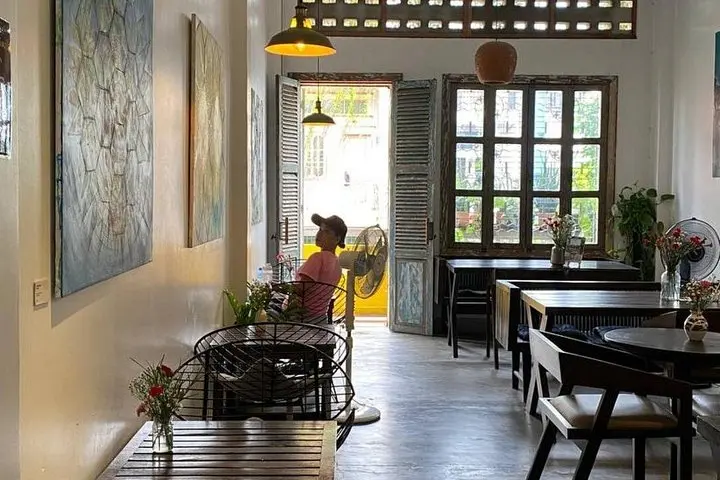
Phnom Penh’s riverside corridor has long been a meeting place—first as a river trading hub and later shaped by French-era architecture that introduced café culture to Cambodia. Today's independent cafes blend that history with contemporary social enterprise: restored wooden houses, floral-themed roasters and coffee shops that employ or train local women and artisans.
Geology here is river plain—flat, humid and punctuated by the Tonlé Sap and Mekong confluence—so walks are easy but can feel warm quickly. Cultural notes: ordering coffee in Cambodia can mean anything from a strong, sweet Khmer iced coffee to single-origin pour‑overs; many shops mix traditional flavors like palm sugar and condensed milk.
Practical guidance: plan for a 3–4 hour window to visit 3–5 stops, wearing breathable shoes and carrying small bills—most cafés expect cash for extras. Mornings are cooler and best for photography; if rain is forecast bring a compact rain jacket. Guides often provide short histories of each shop and the community projects they support; tipping in local currency and buying a drink or snack helps sustain these micro‑enterprises.
This tour is low‑effort but rich in local texture—ideal for travelers who want a sensory orientation to Phnom Penh’s urban life and a coffee primer that goes beyond a quick espresso.
No—tastings and drinks are typically paid by the guest; guides will point out recommended items and price ranges.
It’s primarily a walking tour with short transfers; for very small groups a tuk‑tuk may be used between stops.
Yes—the tour is low‑effort and family friendly, though children may prefer iced drinks and snacks at stops.
Hotel pickup is usually provided—confirm your pickup point during booking and allow flexibility for traffic on the riverside.
MyProGuide Cambodia operates guided outdoor trips and adventures with an emphasis on safety, stewardship, and memorable experiences.
You step off the tuk‑tuk into warm air scented with roasted beans and the Mekong river ticking against the quay. Sidewalk tables hum with early chatter as sunlight slides across Khmer lacquered wood and colonial facades; the city moves slow and deliberate on a morning like this.
You step off the tuk‑tuk into warm air scented with roasted beans and the Mekong river ticking against the quay. Sidewalk tables hum with early chatter as sunlight slides across Khmer lacquered wood and colonial facades; the city moves slow and deliberate on a morning like this.
Phnom Penh’s riverside corridor has long been a meeting place—first as a river trading hub and later shaped by French-era architecture that introduced café culture to Cambodia. Today's independent cafes blend that history with contemporary social enterprise: restored wooden houses, floral-themed roasters and coffee shops that employ or train local women and artisans.
Geology here is river plain—flat, humid and punctuated by the Tonlé Sap and Mekong confluence—so walks are easy but can feel warm quickly. Cultural notes: ordering coffee in Cambodia can mean anything from a strong, sweet Khmer iced coffee to single-origin pour‑overs; many shops mix traditional flavors like palm sugar and condensed milk.
Practical guidance: plan for a 3–4 hour window to visit 3–5 stops, wearing breathable shoes and carrying small bills—most cafés expect cash for extras. Mornings are cooler and best for photography; if rain is forecast bring a compact rain jacket. Guides often provide short histories of each shop and the community projects they support; tipping in local currency and buying a drink or snack helps sustain these micro‑enterprises.
This tour is low‑effort but rich in local texture—ideal for travelers who want a sensory orientation to Phnom Penh’s urban life and a coffee primer that goes beyond a quick espresso.