THE ADVENTURE COLLECTIVE® · Independent discovery and booking for outdoor travel

Travel from Phnom Penh to the Angkor temple complex on a long but rewarding full-day tour that includes entrance tickets and lunch. Expect early departure, hours of scenic driving, focused temple exploration, and insights from a local guide.
Travel from Phnom Penh to the Angkor temple complex on a long but rewarding full-day tour that includes entrance tickets and lunch. Expect early departure, hours of scenic driving, focused temple exploration, and insights from a local guide.
You leave Phnom Penh before dawn, the city’s edge thinning into flat rice plains and palms that rock like slow metronomes. By midmorning the outline of Angkor’s towers appears above the treeline — a silhouette that draws the busier breathing of the group inward.
Verified experiences and guided adventures in the surrounding area.
Operated by Day Trip Cambodia · Siem Reap, Siem Reap Province
You leave Phnom Penh before dawn, the city’s edge thinning into flat rice plains and palms that rock like slow metronomes. By midmorning the outline of Angkor’s towers appears above the treeline — a silhouette that draws the busier breathing of the group inward.
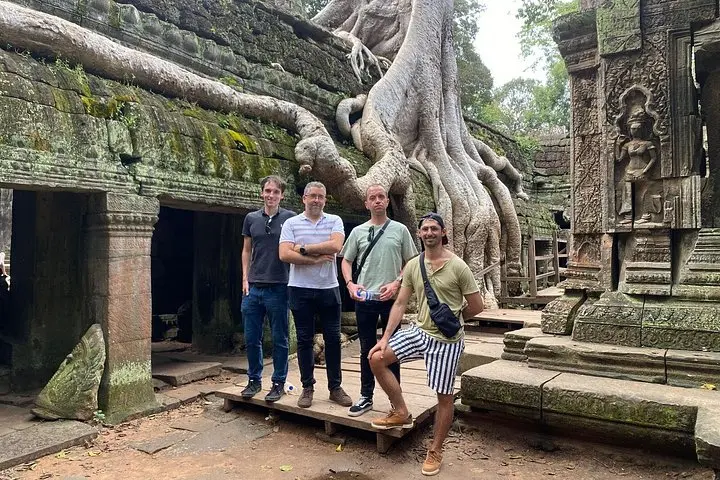
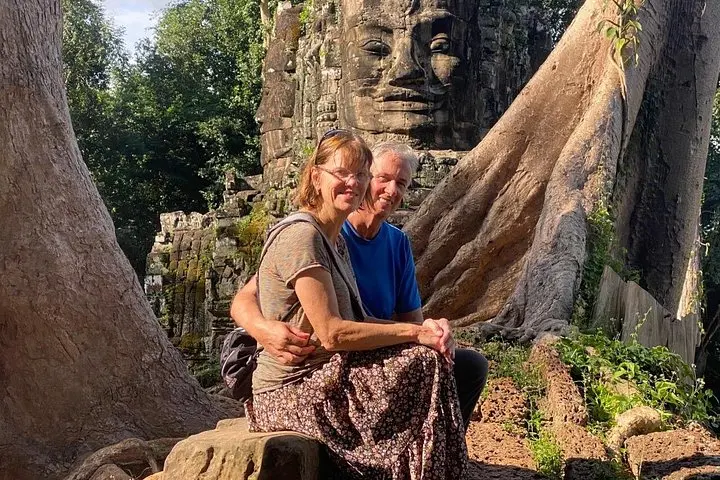
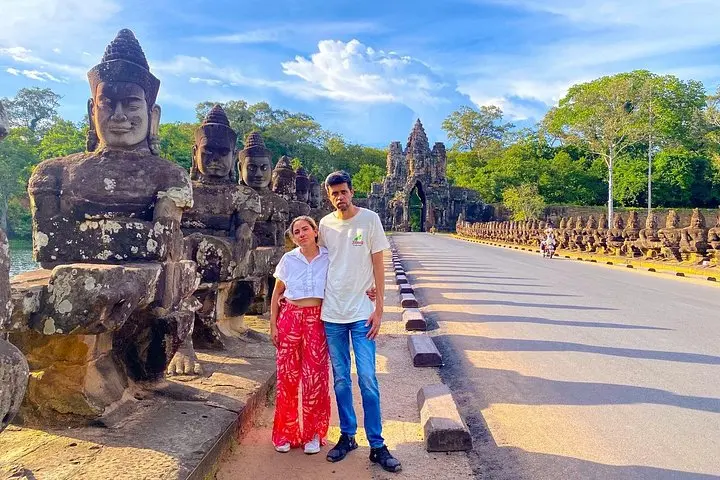
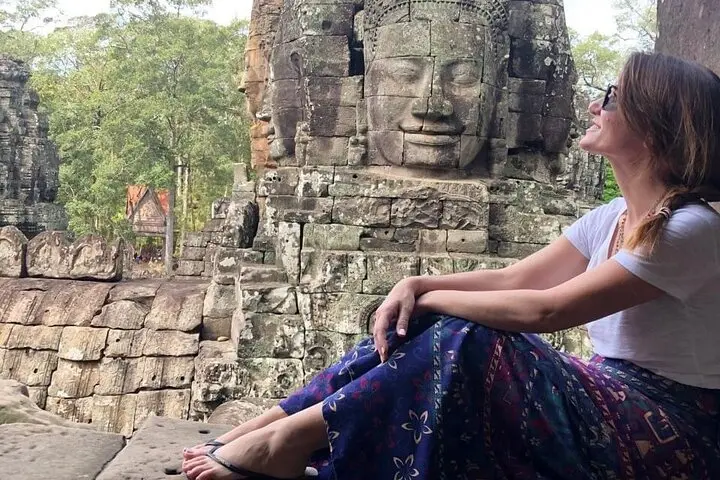
Angkor Wat and its neighbors are a living archive: 12th-century Khmer stonework, bas-reliefs that narrate epic cycles, and Bayon’s many-faced towers that once watched a sprawling imperial capital. Geologically the site sits on sandstone quarried nearby and set atop a subtle ridge; centuries of tropical weather and invasive roots have both exposed and protected its features. Ta Prohm feels different — trees push through galleries and roots seem to argue with human order, giving visitors a vivid sense of nature reclaiming built space.
Culturally, the temples remain active symbols for Cambodia’s identity and resilience; local guides blend archaeology with oral history to make the stones speak. Expect temple conservation signs and regulated paths — the park balances access with fragile stone.
Practically, this is a long day: count on 5–6 hours of driving each way from Phnom Penh with multiple walking stops in Siem Reap’s Angkor Park. Comfortable, modest clothing and sturdy footwear matter more than speed; mornings are cooler and afternoons hot. Bring a daypack with water, sun protection, and a small rain layer in wet months. Lunch is included at a park restaurant, and the tour handles your entrance ticket, so carry your passport for verification. If you want fewer crowds, ask the guide about adjusted arrival windows — timing changes the light, the company, and the mood of the ruins.
Yes — the tour includes the All Temples pass and handles ticket pickup, though you should bring your passport for verification.
Expect several hours of walking across uneven stone floors, stairs and soft trails; pacing inside each temple is flexible, but the day is long.
Lunch is included at a park restaurant; basic restrooms are available at major sites, and there are market stops in Siem Reap before return.
This is a private tour, so guides can often adjust time allocation on request, within schedule limits and park rules.
Day Trip Cambodia operates guided outdoor trips and adventures with an emphasis on safety, stewardship, and memorable experiences.
You leave Phnom Penh before dawn, the city’s edge thinning into flat rice plains and palms that rock like slow metronomes. By midmorning the outline of Angkor’s towers appears above the treeline — a silhouette that draws the busier breathing of the group inward.
You leave Phnom Penh before dawn, the city’s edge thinning into flat rice plains and palms that rock like slow metronomes. By midmorning the outline of Angkor’s towers appears above the treeline — a silhouette that draws the busier breathing of the group inward.
Angkor Wat and its neighbors are a living archive: 12th-century Khmer stonework, bas-reliefs that narrate epic cycles, and Bayon’s many-faced towers that once watched a sprawling imperial capital. Geologically the site sits on sandstone quarried nearby and set atop a subtle ridge; centuries of tropical weather and invasive roots have both exposed and protected its features. Ta Prohm feels different — trees push through galleries and roots seem to argue with human order, giving visitors a vivid sense of nature reclaiming built space.
Culturally, the temples remain active symbols for Cambodia’s identity and resilience; local guides blend archaeology with oral history to make the stones speak. Expect temple conservation signs and regulated paths — the park balances access with fragile stone.
Practically, this is a long day: count on 5–6 hours of driving each way from Phnom Penh with multiple walking stops in Siem Reap’s Angkor Park. Comfortable, modest clothing and sturdy footwear matter more than speed; mornings are cooler and afternoons hot. Bring a daypack with water, sun protection, and a small rain layer in wet months. Lunch is included at a park restaurant, and the tour handles your entrance ticket, so carry your passport for verification. If you want fewer crowds, ask the guide about adjusted arrival windows — timing changes the light, the company, and the mood of the ruins.