THE ADVENTURE COLLECTIVE® · Independent discovery and booking for outdoor travel

Cross the Mekong at first light, watch lotus-field waders and hunt for the endemic Cambodian Tailorbird, then spend a homestay night before forest birding in Kirirom National Park. This two-day trip blends wetland and upland habitats with strong photographic chances and local cultural exchange.
Cross the Mekong at first light, watch lotus-field waders and hunt for the endemic Cambodian Tailorbird, then spend a homestay night before forest birding in Kirirom National Park. This two-day trip blends wetland and upland habitats with strong photographic chances and local cultural exchange.
Dawn breaks over the Mekong and the river dares you forward — a soft ferry crossing from Phnom Penh, lotus pads opening like slow umbrellas, and the first calls of wetland birds knitting the morning together.
Verified experiences and guided adventures in the surrounding area.
Operated by Vana Adventure Travel · Phnom Penh, Phnom Penh
Dawn breaks over the Mekong and the river dares you forward — a soft ferry crossing from Phnom Penh, lotus pads opening like slow umbrellas, and the first calls of wetland birds knitting the morning together.
This two-day itinerary pairs lowland wetlands with upland forest: lotus and rice-field birding at the floodplain, then a homestay night at Chambok before sunrise in Kirirom National Park. Cambodia’s lowlands are shaped by the Mekong’s seasonal pulse, while Kirirom’s higher ground holds patches of broad-leaved and pine-influenced forest where mountain species and forest specialists congregate.
Culturally, the Chambok homestay is local-led ecotourism — a chance to share a meal prepared by village groups and learn about farming rhythms keyed to the river. Geologically, the transition from floodplain to plateau is subtle but visible in soil and tree species shifts; bird communities change with it.
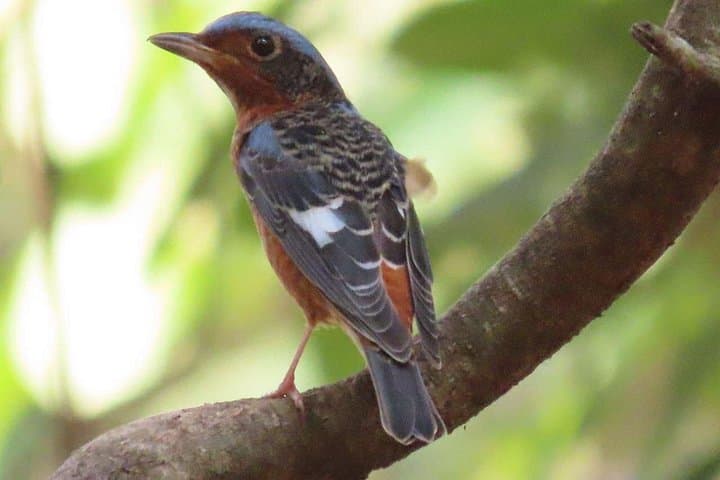
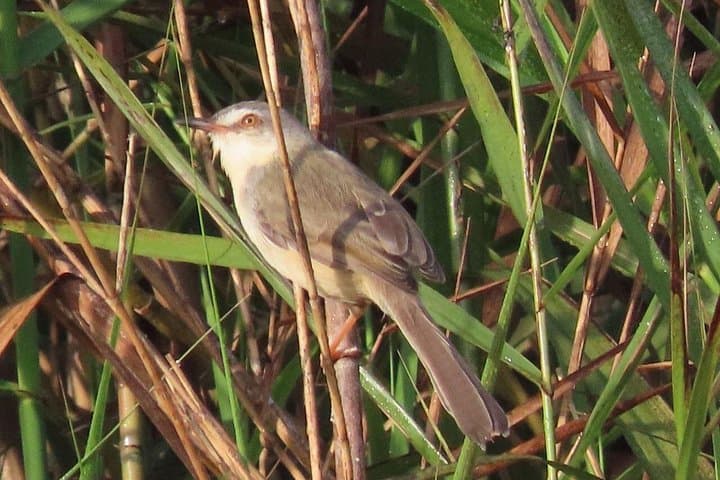
Expect targeted birding: Cambodian Tailorbird in dense floodplain shrubs, waders and kingfishers on the lake, then White-rumped Shama, Greater Racket-tailed and forest flycatchers in Kirirom. Photographic opportunities are strong early and late; midday is humid and prone to showers.
Practical notes: the tour starts pre-dawn, covers easy walks and optional 5 km or 14 km hikes in Kirirom with modest elevation gains, and includes a community homestay. Bring binoculars, a light rain shell, insect protection, and patience for cryptic species. Travel light, expect sticky heat in the lowlands, and plan for early mornings — the birds are already waiting.
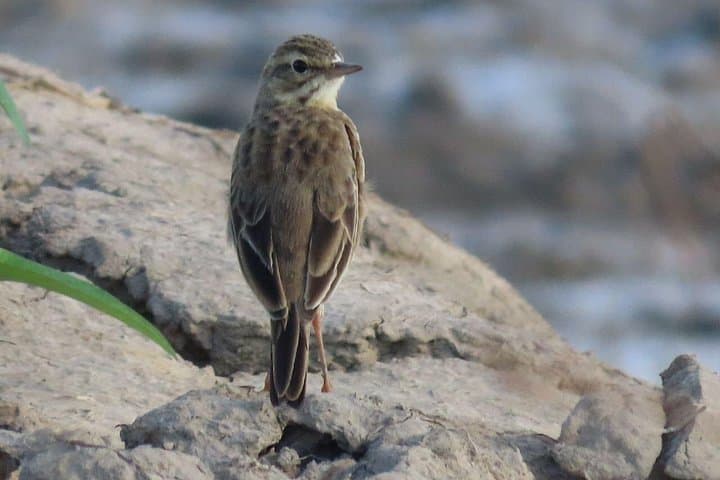
Expect a mix of wetland and forest species including Cambodian Tailorbird, White-rumped Shama, Greater Racket-tailed, kingfishers, bee-eaters and a roster of Asian flycatchers and barbets.
Moderate: there are easy paced walks and optional hikes of 5 km or 14 km with modest elevation gain; participants should be comfortable walking on uneven ground.
Yes—Chambok homestays are community-run with simple, clean accommodations and home-cooked meals that reflect local cuisine.
The driest, coolest months (December–February) generally offer the most comfortable conditions and clear mornings for bird activity, though species can be seen year-round.
Vana Adventure Travel operates guided outdoor trips and adventures with an emphasis on safety, stewardship, and memorable experiences.

Dawn breaks over the Mekong and the river dares you forward — a soft ferry crossing from Phnom Penh, lotus pads opening like slow umbrellas, and the first calls of wetland birds knitting the morning together.
Dawn breaks over the Mekong and the river dares you forward — a soft ferry crossing from Phnom Penh, lotus pads opening like slow umbrellas, and the first calls of wetland birds knitting the morning together.
This two-day itinerary pairs lowland wetlands with upland forest: lotus and rice-field birding at the floodplain, then a homestay night at Chambok before sunrise in Kirirom National Park. Cambodia’s lowlands are shaped by the Mekong’s seasonal pulse, while Kirirom’s higher ground holds patches of broad-leaved and pine-influenced forest where mountain species and forest specialists congregate.
Culturally, the Chambok homestay is local-led ecotourism — a chance to share a meal prepared by village groups and learn about farming rhythms keyed to the river. Geologically, the transition from floodplain to plateau is subtle but visible in soil and tree species shifts; bird communities change with it.
Expect targeted birding: Cambodian Tailorbird in dense floodplain shrubs, waders and kingfishers on the lake, then White-rumped Shama, Greater Racket-tailed and forest flycatchers in Kirirom. Photographic opportunities are strong early and late; midday is humid and prone to showers.
Practical notes: the tour starts pre-dawn, covers easy walks and optional 5 km or 14 km hikes in Kirirom with modest elevation gains, and includes a community homestay. Bring binoculars, a light rain shell, insect protection, and patience for cryptic species. Travel light, expect sticky heat in the lowlands, and plan for early mornings — the birds are already waiting.