THE ADVENTURE COLLECTIVE® · Independent discovery and booking for outdoor travel

Head out of Levi with a professional photographer to hunt auroras in small groups, traveling to remote, dark locations for the best shots. Tours last 4–6 hours and include warm drinks, minivan transport, and on-site camera coaching.
Head out of Levi with a professional photographer to hunt auroras in small groups, traveling to remote, dark locations for the best shots. Tours last 4–6 hours and include warm drinks, minivan transport, and on-site camera coaching.
A cobalt-pale sky hangs over the fells as a minivan threads away from Levi’s lights, the road lined with birch and the occasional reindeer silhouette. The group steps into open tundra; the cold sharpens breath and the world narrows to the arc of the horizon and the slow, living ribbon of green that can appear any moment.
Verified experiences and guided adventures in the surrounding area.
Operated by Beyond Arctic · Levi, Lapland
A cobalt-pale sky hangs over the fells as a minivan threads away from Levi’s lights, the road lined with birch and the occasional reindeer silhouette. The group steps into open tundra; the cold sharpens breath and the world narrows to the arc of the horizon and the slow, living ribbon of green that can appear any moment.
Lapland’s skies have drawn hunters and herders for millennia; Sámi reindeer culture and the post‑war development of Levi as a ski destination shape the human geography you’ll pass on the way to remote photo sites. Geologically, you’re on ancient Precambrian bedrock—rounded fells carved by glaciers—so lookout points are low, wind-swept ridges and frozen lakes that offer clean horizons for aurora photography.
Local guides combine decades of aurora-weather knowledge with photography skill, picking 2–3 staging areas each night to chase clear skies and minimal light pollution. Tours run in small groups (2–8), include warm drinks, snacks, and basic cold-weather kit; edited photos are often supplied after the trip.
Practical guidance: plan for a 4–6 hour outing, dress in insulated layers, and bring a camera that allows manual exposure and a sturdy tripod. Charge batteries in a warm pocket—cold drains them fast—and arrive with a basic idea of ISO, aperture, and shutter time; your guide will fine-tune settings on site.
Expect variable conditions: sometimes a faint green wash, sometimes a vivid display that saturates the lens. Patience and flexibility matter more than fitness—this is a night of waiting, watching, and capturing one of the sky’s most mobile performances.
Chances are high on clear, dark nights but not guaranteed; guides track real‑time forecasts and move to areas with the best conditions to maximize sightings.
Yes—professional photography guides will help set up your camera, recommend exposure settings, and often take portraits of guests under the aurora.
Minimum age is typically 10 years; tours require at least two people and are limited to small groups (up to 8) for comfort and flexibility.
Tours can be canceled for weather or insufficient travelers—operators typically offer a full refund if canceled at least 24 hours beforehand or rebooking when possible.
Beyond Arctic operates guided outdoor trips and adventures with an emphasis on safety, stewardship, and memorable experiences.
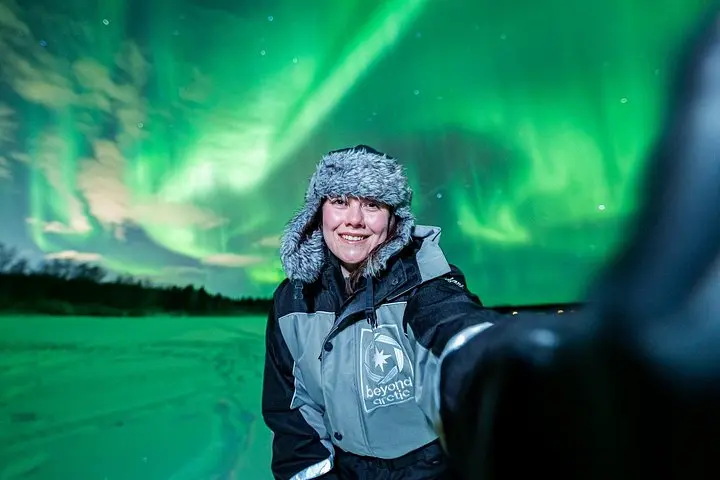
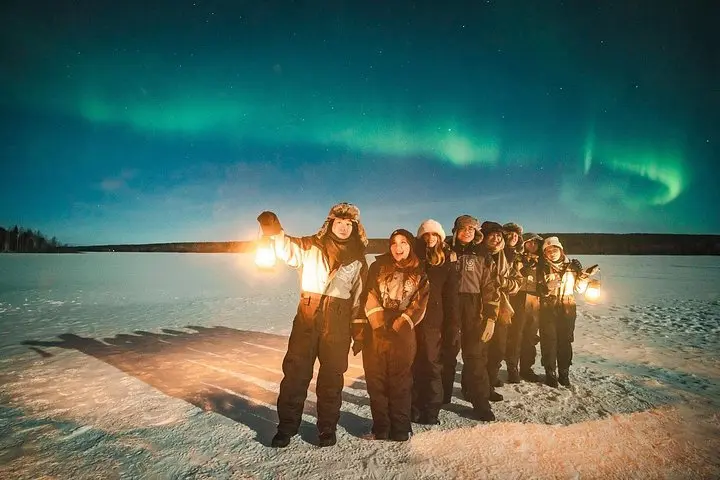
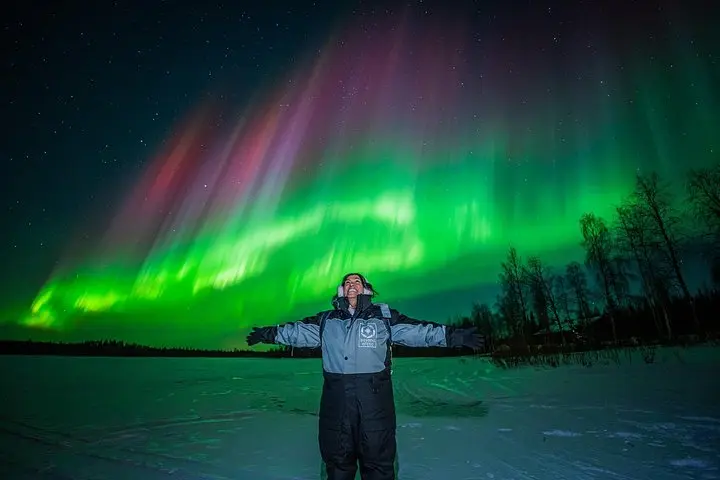
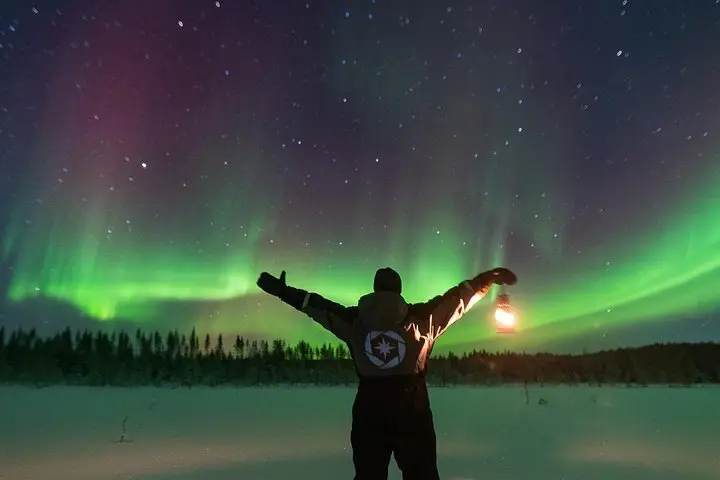
A cobalt-pale sky hangs over the fells as a minivan threads away from Levi’s lights, the road lined with birch and the occasional reindeer silhouette. The group steps into open tundra; the cold sharpens breath and the world narrows to the arc of the horizon and the slow, living ribbon of green that can appear any moment.
A cobalt-pale sky hangs over the fells as a minivan threads away from Levi’s lights, the road lined with birch and the occasional reindeer silhouette. The group steps into open tundra; the cold sharpens breath and the world narrows to the arc of the horizon and the slow, living ribbon of green that can appear any moment.
Lapland’s skies have drawn hunters and herders for millennia; Sámi reindeer culture and the post‑war development of Levi as a ski destination shape the human geography you’ll pass on the way to remote photo sites. Geologically, you’re on ancient Precambrian bedrock—rounded fells carved by glaciers—so lookout points are low, wind-swept ridges and frozen lakes that offer clean horizons for aurora photography.
Local guides combine decades of aurora-weather knowledge with photography skill, picking 2–3 staging areas each night to chase clear skies and minimal light pollution. Tours run in small groups (2–8), include warm drinks, snacks, and basic cold-weather kit; edited photos are often supplied after the trip.
Practical guidance: plan for a 4–6 hour outing, dress in insulated layers, and bring a camera that allows manual exposure and a sturdy tripod. Charge batteries in a warm pocket—cold drains them fast—and arrive with a basic idea of ISO, aperture, and shutter time; your guide will fine-tune settings on site.
Expect variable conditions: sometimes a faint green wash, sometimes a vivid display that saturates the lens. Patience and flexibility matter more than fitness—this is a night of waiting, watching, and capturing one of the sky’s most mobile performances.