THE ADVENTURE COLLECTIVE® · Independent discovery and booking for outdoor travel

Capture Grand Central from an uncommon perspective: a small-group photography workshop that permits tripods and a 100-foot vantage for long exposures and architectural shots. Learn slow-shutter techniques and access angles most visitors never see.
Capture Grand Central from an uncommon perspective: a small-group photography workshop that permits tripods and a 100-foot vantage for long exposures and architectural shots. Learn slow-shutter techniques and access angles most visitors never see.
The floor vibrates with a steady current of footsteps and rolling luggage while a constellation ceiling watches over the main concourse—this is Grand Central as the city moves through it. On this guided photo tour you stand where travelers pause, camera poised, and are allowed to set up a tripod to slow the world into streaks of motion or freeze a single, golden beam on marble.
Verified experiences and guided adventures in the surrounding area.
Operated by New York City Photo Safari · New York, NY
The floor vibrates with a steady current of footsteps and rolling luggage while a constellation ceiling watches over the main concourse—this is Grand Central as the city moves through it. On this guided photo tour you stand where travelers pause, camera poised, and are allowed to set up a tripod to slow the world into streaks of motion or freeze a single, golden beam on marble.
Opened in 1913 by the Vanderbilt railroad interests, Grand Central Terminal is an exercise in Beaux-Arts engineering: vaulted ceilings, Tennessee marble, brass fixtures and an iconic four-faced clock above the information booth. The building sits atop complex track work and tunnels that slice through Manhattan’s bedrock—engineering as much as architecture—and its restoration in the late 20th century returned much of the original grandeur photographers seek.
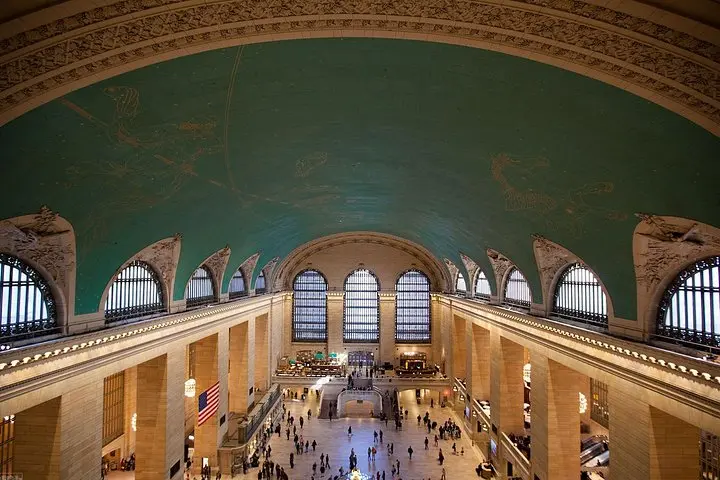
Culturally, Grand Central is both transit hub and public room: the whispering alcove near the dining concourse, the Campbell Apartment’s old-world bar, and commuters’ rush all become compositional elements. The tour’s unique permission to use tripods and access to a point roughly 100 feet above the main floor opens uncommon angles for ceiling shots and layered, long-exposure scenes.
Practical guidance: this 2.5-hour workshop is small-group and taught by a pro; bring a camera with manual controls, spare batteries and an empty card. Expect low light—use a tripod and low ISO for crisp architecture, and try 1/4–1/2 second for people blur. Arrive early, follow the guide’s access rules, and remember this is a working terminal—keep gear compact and be courteous to travelers.
Yes—this tour specifically permits tripod use to enable slow-shutter and long-exposure photography under the guide’s direction.
The workshop runs about 150 minutes and is limited to small groups (up to eight) for hands-on instruction.
Yes—Grand Central is wheelchair accessible and the tour notes accessibility; contact the operator for specific accommodations.
No—this workshop welcomes beginners and experienced shooters; the guide will cover camera settings and composition techniques.
New York City Photo Safari operates guided outdoor trips and adventures with an emphasis on safety, stewardship, and memorable experiences.
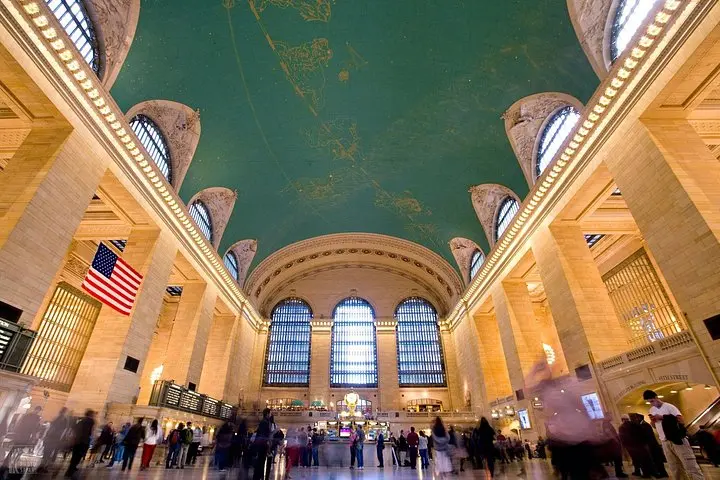
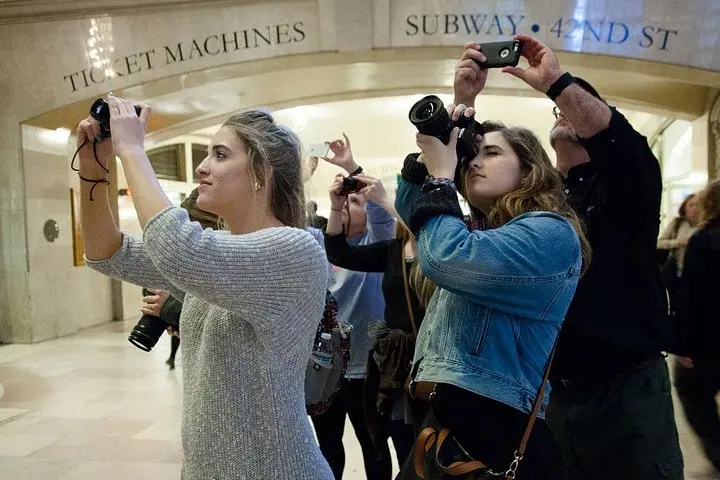
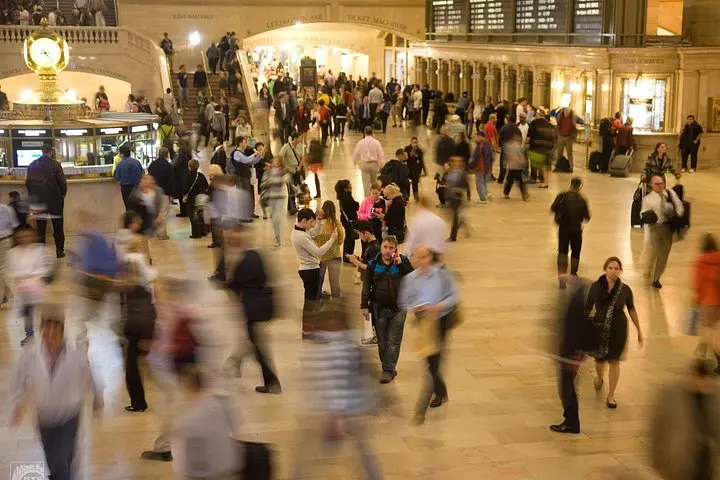
The floor vibrates with a steady current of footsteps and rolling luggage while a constellation ceiling watches over the main concourse—this is Grand Central as the city moves through it. On this guided photo tour you stand where travelers pause, camera poised, and are allowed to set up a tripod to slow the world into streaks of motion or freeze a single, golden beam on marble.
The floor vibrates with a steady current of footsteps and rolling luggage while a constellation ceiling watches over the main concourse—this is Grand Central as the city moves through it. On this guided photo tour you stand where travelers pause, camera poised, and are allowed to set up a tripod to slow the world into streaks of motion or freeze a single, golden beam on marble.
Opened in 1913 by the Vanderbilt railroad interests, Grand Central Terminal is an exercise in Beaux-Arts engineering: vaulted ceilings, Tennessee marble, brass fixtures and an iconic four-faced clock above the information booth. The building sits atop complex track work and tunnels that slice through Manhattan’s bedrock—engineering as much as architecture—and its restoration in the late 20th century returned much of the original grandeur photographers seek.
Culturally, Grand Central is both transit hub and public room: the whispering alcove near the dining concourse, the Campbell Apartment’s old-world bar, and commuters’ rush all become compositional elements. The tour’s unique permission to use tripods and access to a point roughly 100 feet above the main floor opens uncommon angles for ceiling shots and layered, long-exposure scenes.
Practical guidance: this 2.5-hour workshop is small-group and taught by a pro; bring a camera with manual controls, spare batteries and an empty card. Expect low light—use a tripod and low ISO for crisp architecture, and try 1/4–1/2 second for people blur. Arrive early, follow the guide’s access rules, and remember this is a working terminal—keep gear compact and be courteous to travelers.