THE ADVENTURE COLLECTIVE® · Independent discovery and booking for outdoor travel

Capture Bhutan’s cultural heart and high Himalayan viewpoints on a six-hour photography tour from Thimphu to Dochula Pass. Expect architectural highlights, prayer rituals, and panoramic mountain frames—with practical tips for timing, gear, and etiquette.
Capture Bhutan’s cultural heart and high Himalayan viewpoints on a six-hour photography tour from Thimphu to Dochula Pass. Expect architectural highlights, prayer rituals, and panoramic mountain frames—with practical tips for timing, gear, and etiquette.
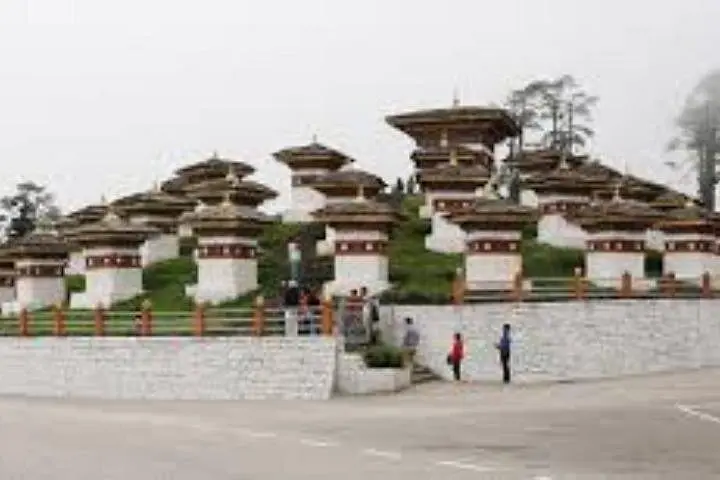
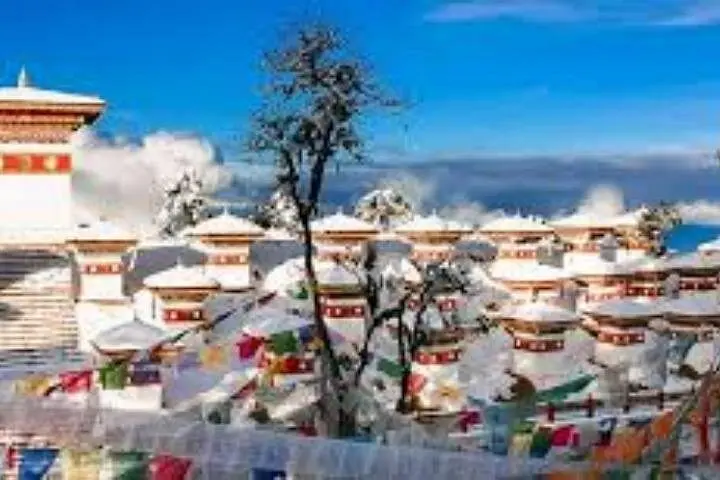
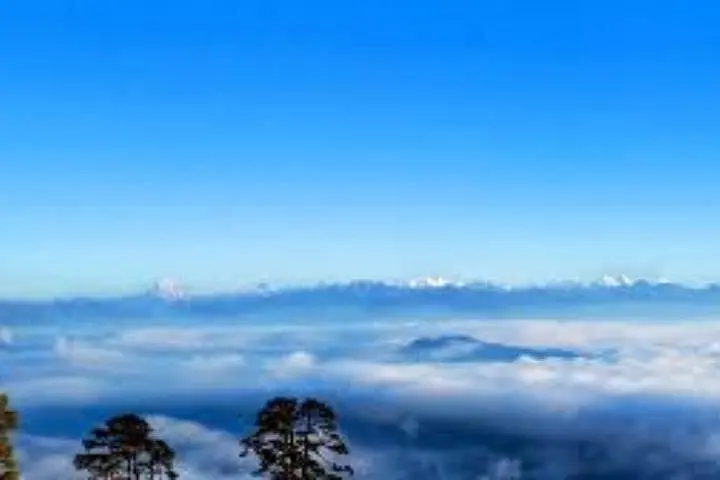
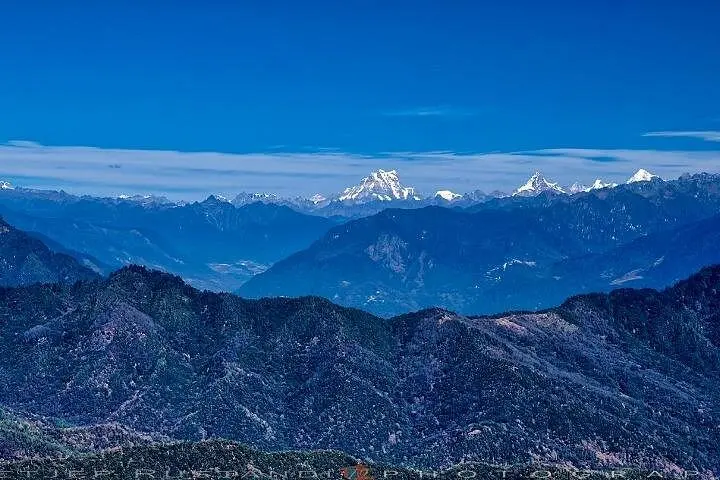
Morning light cuts across the high road to Dochula Pass; prayer flags snap like a chorus, the chortens standing patient against the sky. Travelers step from an air-conditioned vehicle into crisp air where the eastern Himalaya either crowns the horizon or keeps its peaks hidden behind clouds, daring photographers to time their visit.
Verified experiences and guided adventures in the surrounding area.
Operated by BARBIL TOURS · Thimphu, Thimphu District
Morning light cuts across the high road to Dochula Pass; prayer flags snap like a chorus, the chortens standing patient against the sky. Travelers step from an air-conditioned vehicle into crisp air where the eastern Himalaya either crowns the horizon or keeps its peaks hidden behind clouds, daring photographers to time their visit.
The route threads Thimphu’s compact capital—Tashichho Dzong’s ochre walls, the bronze calm of Buddha Dordenma, and the carved stones of the National Memorial Chorten—into the rural, forested ridgelines that lead to Dochula’s 108 memorial chortens. Geologically, the pass sits on the Lesser Himalaya’s folded schists; valleys below carry the Wangdue Chhu river, which has shaped settlements and rice terraces for centuries. Culturally, this day trip exposes Bhutan’s living Buddhism: dzongs that function as temples and administrative centers, nuns’ prayers that punctuate dawn, and villages where hospitality is direct and unobtrusive.
Expect an easy-paced, six-hour tour with multiple short stops for composition and context: fortress architecture, bridge crossings, and panoramic mountain frames. Practical planning matters—carry a lightweight tripod, layer for wind and sun, and bring spare batteries (cold drains them). Respect temple rules: ask before photographing people or interiors, remove hats and shoes where required. Aim for clear autumn or winter mornings for Himalayan visibility, and allow flexibility—mountain weather insists on the final say. Hydrate, wear sturdy walking shoes for short uneven paths, and leave extra memory cards—Bhutan rewards patience with photographs worth keeping.
Yes — the tour includes private, air-conditioned transportation for the full six-hour itinerary.
Foreign visitors to Bhutan require a visa and must travel on a booked itinerary through a licensed operator; ensure your travel documents are arranged before arrival.
Many central areas in Thimphu are accessible and the tour notes wheelchair accessibility, but some temple interiors and older dzongs have steps—check specific needs with the operator in advance.
Late fall through winter (October–February) typically offers the clearest skies for Himalayan vistas, especially on early mornings.
BARBIL TOURS operates guided outdoor trips and adventures with an emphasis on safety, stewardship, and memorable experiences.
Morning light cuts across the high road to Dochula Pass; prayer flags snap like a chorus, the chortens standing patient against the sky. Travelers step from an air-conditioned vehicle into crisp air where the eastern Himalaya either crowns the horizon or keeps its peaks hidden behind clouds, daring photographers to time their visit.
Morning light cuts across the high road to Dochula Pass; prayer flags snap like a chorus, the chortens standing patient against the sky. Travelers step from an air-conditioned vehicle into crisp air where the eastern Himalaya either crowns the horizon or keeps its peaks hidden behind clouds, daring photographers to time their visit.
The route threads Thimphu’s compact capital—Tashichho Dzong’s ochre walls, the bronze calm of Buddha Dordenma, and the carved stones of the National Memorial Chorten—into the rural, forested ridgelines that lead to Dochula’s 108 memorial chortens. Geologically, the pass sits on the Lesser Himalaya’s folded schists; valleys below carry the Wangdue Chhu river, which has shaped settlements and rice terraces for centuries. Culturally, this day trip exposes Bhutan’s living Buddhism: dzongs that function as temples and administrative centers, nuns’ prayers that punctuate dawn, and villages where hospitality is direct and unobtrusive.
Expect an easy-paced, six-hour tour with multiple short stops for composition and context: fortress architecture, bridge crossings, and panoramic mountain frames. Practical planning matters—carry a lightweight tripod, layer for wind and sun, and bring spare batteries (cold drains them). Respect temple rules: ask before photographing people or interiors, remove hats and shoes where required. Aim for clear autumn or winter mornings for Himalayan visibility, and allow flexibility—mountain weather insists on the final say. Hydrate, wear sturdy walking shoes for short uneven paths, and leave extra memory cards—Bhutan rewards patience with photographs worth keeping.