THE ADVENTURE COLLECTIVE® · Independent discovery and booking for outdoor travel

Board at An Thoi and chase marlin, grouper and cobia around Hon Thom on an eight-hour guided fishing charter. Expect hands-on instruction, changing seas and a focus on sustainable angling practices.
Board at An Thoi and chase marlin, grouper and cobia around Hon Thom on an eight-hour guided fishing charter. Expect hands-on instruction, changing seas and a focus on sustainable angling practices.
A low-slung fishing boat slips off An Thoi pier at dawn and the Gulf’s light shifts from pewter to steel as the crew motors toward Hon Thom’s outer reefs.
Verified experiences and guided adventures in the surrounding area.
Operated by Local Tours Ha Giang · An Thoi, Kien Giang
A low-slung fishing boat slips off An Thoi pier at dawn and the Gulf’s light shifts from pewter to steel as the crew motors toward Hon Thom’s outer reefs.
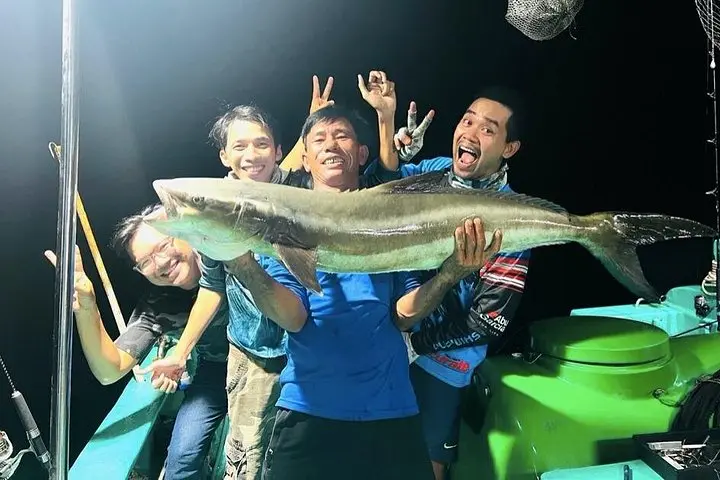
The day begins with taught knots and line checks—local captains blend generational knowledge of currents with modern tackle—and soon the ocean is testing patience and reflexes. The An Thoi archipelago’s volcanic base and coral shelves concentrate bait fish; those edges draw predators like marlin and cobia that anglers come for. Phu Quoc’s fishing tradition grew from village-scale netting to sport and commercial fleets, shaped by Khmer and Vietnamese coastal cultures who have read tides here for centuries.
Expect salt spray, sudden pulls and long quiet stretches where the sea seems to consider you before moving again. Hon Thom’s rocky promontories and the sandy channels around Hon Kim Quy create current seams—places that push plankton and, in turn, push game fish toward hooks.
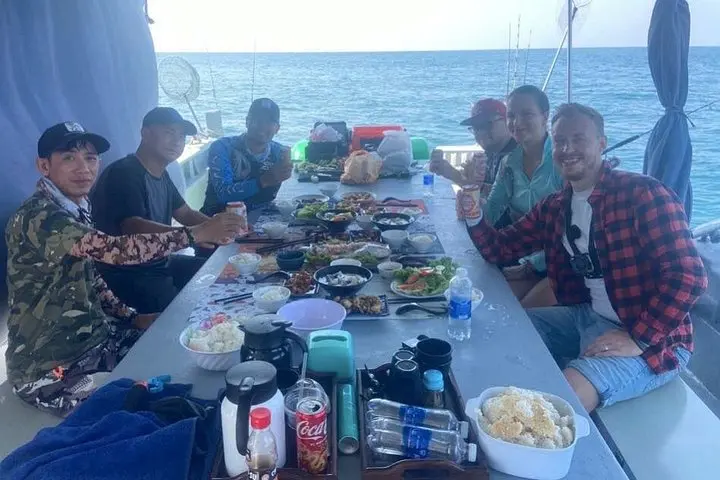
Practically: tours run roughly eight hours, include lunch and basic drinks, and accommodate all skill levels with instruction and gear. Seas are calmest in the dry season (December–April); the monsoon months bring wind and heavier swell.
Plan for sun, motion and minimal shade on deck—pack layered sun protection, seasickness remedies and a waterproof camera. Respect catch limits and the reefs: many operators practice catch-and-release for big species and discourage bottom trawling. With basic preparation, this trip delivers hands-on angling, quick lessons in local marine ecology, and the raw satisfaction of hauling something substantial from water that never stops moving.
The tour runs about eight hours from An Thoi port, including transit to fishing grounds, fishing time, and return.
No—guides provide instruction and tackle suitable for beginners, while experienced anglers can use provided gear or bring their own.
Common targets include marlin, cobia, grouper and rays; availability varies with season and local regulations.
Yes—operators typically include lunch and basic drinks; notify in advance for vegetarian options.
Local Tours Ha Giang operates guided outdoor trips and adventures with an emphasis on safety, stewardship, and memorable experiences.
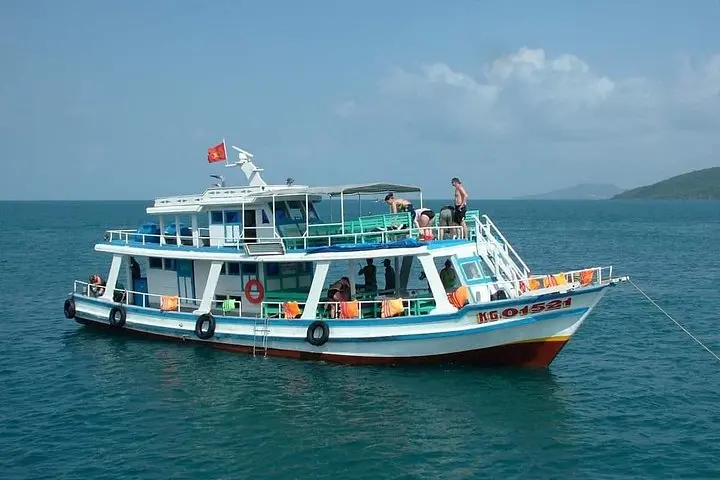
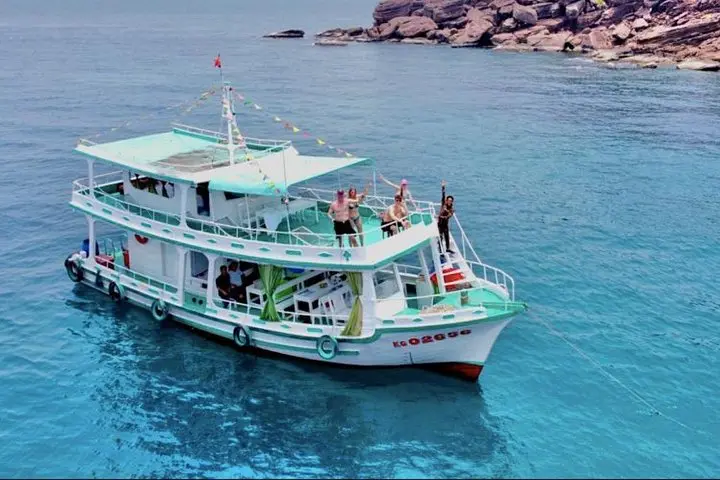
A low-slung fishing boat slips off An Thoi pier at dawn and the Gulf’s light shifts from pewter to steel as the crew motors toward Hon Thom’s outer reefs.
A low-slung fishing boat slips off An Thoi pier at dawn and the Gulf’s light shifts from pewter to steel as the crew motors toward Hon Thom’s outer reefs.
The day begins with taught knots and line checks—local captains blend generational knowledge of currents with modern tackle—and soon the ocean is testing patience and reflexes. The An Thoi archipelago’s volcanic base and coral shelves concentrate bait fish; those edges draw predators like marlin and cobia that anglers come for. Phu Quoc’s fishing tradition grew from village-scale netting to sport and commercial fleets, shaped by Khmer and Vietnamese coastal cultures who have read tides here for centuries.
Expect salt spray, sudden pulls and long quiet stretches where the sea seems to consider you before moving again. Hon Thom’s rocky promontories and the sandy channels around Hon Kim Quy create current seams—places that push plankton and, in turn, push game fish toward hooks.
Practically: tours run roughly eight hours, include lunch and basic drinks, and accommodate all skill levels with instruction and gear. Seas are calmest in the dry season (December–April); the monsoon months bring wind and heavier swell.
Plan for sun, motion and minimal shade on deck—pack layered sun protection, seasickness remedies and a waterproof camera. Respect catch limits and the reefs: many operators practice catch-and-release for big species and discourage bottom trawling. With basic preparation, this trip delivers hands-on angling, quick lessons in local marine ecology, and the raw satisfaction of hauling something substantial from water that never stops moving.