THE ADVENTURE COLLECTIVE® · Independent discovery and booking for outdoor travel

Boat out into the Gulf of Thailand for an 8–9 hour island-hopping day from Phu Quoc, visiting Mong Tay, Gam Ghi and May Rut. Expect white sand, shallow coral reefs ideal for snorkeling, a provided lunch, and a largely low-impact, accessible day on the water.
Boat out into the Gulf of Thailand for an 8–9 hour island-hopping day from Phu Quoc, visiting Mong Tay, Gam Ghi and May Rut. Expect white sand, shallow coral reefs ideal for snorkeling, a provided lunch, and a largely low-impact, accessible day on the water.
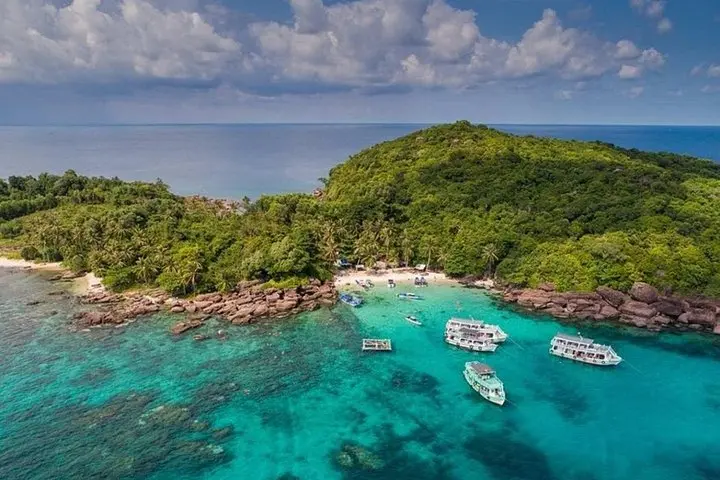
A low-roar engine parts the Gulf of Thailand as the boat pushes away from Phu Quoc’s shoreline. Salted wind tugs at your hat and the water ahead flashes the color of cut turquoise; islands rise like scattered stones, each holding a different promise—soft sand, coral gardens, cliff-framed coves.
Verified experiences and guided adventures in the surrounding area.
Operated by TREVOPEDIA · Phu Quoc, Kien Giang Province
A low-roar engine parts the Gulf of Thailand as the boat pushes away from Phu Quoc’s shoreline. Salted wind tugs at your hat and the water ahead flashes the color of cut turquoise; islands rise like scattered stones, each holding a different promise—soft sand, coral gardens, cliff-framed coves.
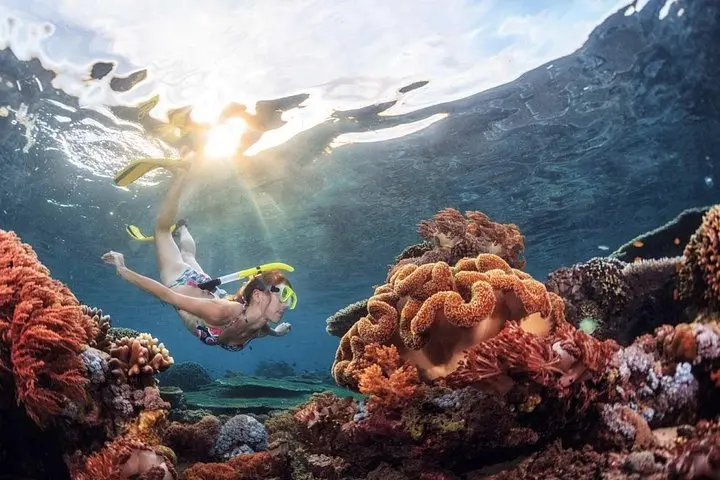
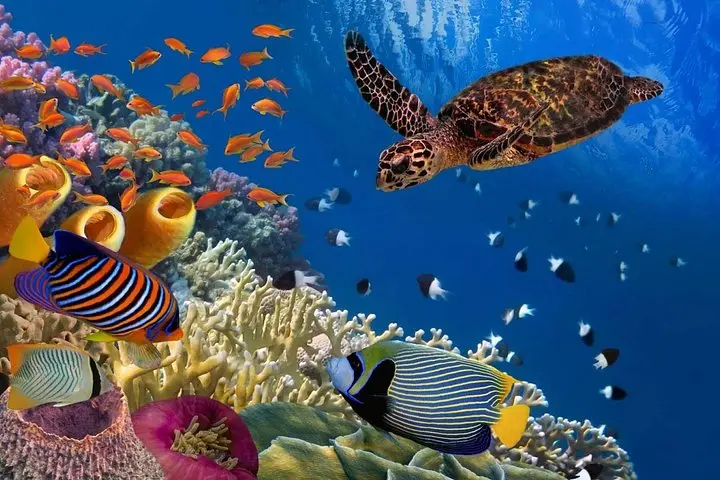
These isles sit on the southern edge of Phu Quoc, formed by ancient limestone and coral growth where sea and stone meet. Mong Tay (Fingernail Island) is a small crescent of white sand and shady scrub, historically visited by local fishers and only recently opened to more day-trip traffic. Gam Ghi’s shallow shelves host living coral and a lively cast of reef fish, while May Rut (Rut) is quieter, edged with palms and rock outcrops that invite photos and short swims.
Local culture on Phu Quoc blends fishing traditions, pearl farming, and markets where fish sauce ages in wooden barrels; boats still launch at dawn with nets and lanterns. The islands are fragile—coral growth is slow and currents can shift sandbars—so respectful behavior matters.
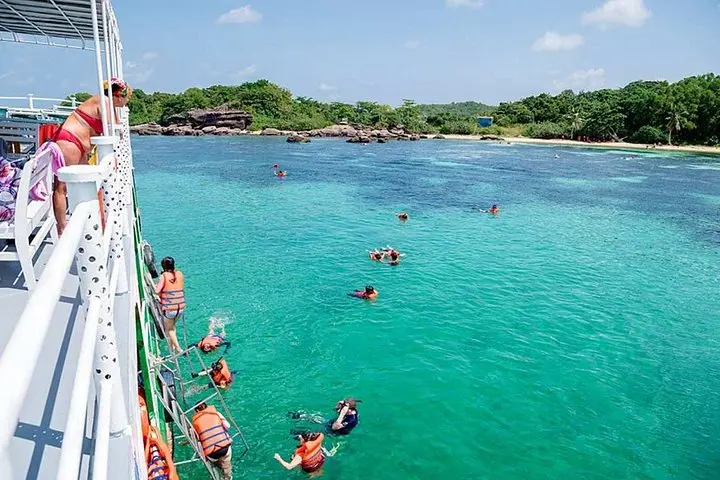
Practically: expect an 8–9 hour day on the water with multiple snorkel stops, provided lunch, and basic snorkeling gear. Bring reef-safe sunscreen, secure footwear for slippery rocks, and a lightweight cover for sun and unexpected showers—monsoon season runs roughly May–October. If prone to seasickness, pick a stable seat midship and time motion-sickness meds an hour before departure. The experience is approachable for most travelers: easy swims, calm coves, and clear rewards for anyone wanting a hands-on taste of Vietnam’s marine side.
No advanced skill is required—basic snorkeling instruction is typically given, but you should be comfortable floating and breathing through a snorkel.
The operator notes wheelchair access and that infants sit on laps; however, accessing boats and reefs may require steps or ladders—check pickup and boarding details in advance.
The tour usually includes transportation by boat, an English‑speaking guide, snorkeling equipment, life jackets, lunch, and bottled water—confirm specifics when booking.
Take preventative medication an hour before departure if you’re prone to motion sickness, choose a midship seat, and stay hydrated and shaded between snorkel stops.
TREVOPEDIA operates guided outdoor trips and adventures with an emphasis on safety, stewardship, and memorable experiences.
A low-roar engine parts the Gulf of Thailand as the boat pushes away from Phu Quoc’s shoreline. Salted wind tugs at your hat and the water ahead flashes the color of cut turquoise; islands rise like scattered stones, each holding a different promise—soft sand, coral gardens, cliff-framed coves.
A low-roar engine parts the Gulf of Thailand as the boat pushes away from Phu Quoc’s shoreline. Salted wind tugs at your hat and the water ahead flashes the color of cut turquoise; islands rise like scattered stones, each holding a different promise—soft sand, coral gardens, cliff-framed coves.
These isles sit on the southern edge of Phu Quoc, formed by ancient limestone and coral growth where sea and stone meet. Mong Tay (Fingernail Island) is a small crescent of white sand and shady scrub, historically visited by local fishers and only recently opened to more day-trip traffic. Gam Ghi’s shallow shelves host living coral and a lively cast of reef fish, while May Rut (Rut) is quieter, edged with palms and rock outcrops that invite photos and short swims.
Local culture on Phu Quoc blends fishing traditions, pearl farming, and markets where fish sauce ages in wooden barrels; boats still launch at dawn with nets and lanterns. The islands are fragile—coral growth is slow and currents can shift sandbars—so respectful behavior matters.
Practically: expect an 8–9 hour day on the water with multiple snorkel stops, provided lunch, and basic snorkeling gear. Bring reef-safe sunscreen, secure footwear for slippery rocks, and a lightweight cover for sun and unexpected showers—monsoon season runs roughly May–October. If prone to seasickness, pick a stable seat midship and time motion-sickness meds an hour before departure. The experience is approachable for most travelers: easy swims, calm coves, and clear rewards for anyone wanting a hands-on taste of Vietnam’s marine side.