THE ADVENTURE COLLECTIVE® · Independent discovery and booking for outdoor travel

Explore Phu Quoc in a day: from fish‑sauce vats and sim‑wine tasting to shaded rainforest walks, a view over to Cambodia at Ganh Dau, and a calm boat or kayak trip on Cua Can River. This full‑day tour mixes local craft, coastal geology, and easy outdoor time.
Explore Phu Quoc in a day: from fish‑sauce vats and sim‑wine tasting to shaded rainforest walks, a view over to Cambodia at Ganh Dau, and a calm boat or kayak trip on Cua Can River. This full‑day tour mixes local craft, coastal geology, and easy outdoor time.
A humid sea breeze carries the scent of pepper and fermenting anchovies as a driver pulls away from Duong Dong and the island opens up. Morning light finds the group at a working fish-sauce yard where rows of wooden vats steam under the sun; later, low forest in Phu Quoc National Park cools the walk, and the Cua Can River pushes the tour toward mangrove-edged quiet. By afternoon, Ganh Dau’s headland frames a view across blue to Cambodia and Dai Beach invites a slow swim.
Verified experiences and guided adventures in the surrounding area.
Operated by Asia Travel Links · Duong Dong, Kien Giang
A humid sea breeze carries the scent of pepper and fermenting anchovies as a driver pulls away from Duong Dong and the island opens up. Morning light finds the group at a working fish-sauce yard where rows of wooden vats steam under the sun; later, low forest in Phu Quoc National Park cools the walk, and the Cua Can River pushes the tour toward mangrove-edged quiet. By afternoon, Ganh Dau’s headland frames a view across blue to Cambodia and Dai Beach invites a slow swim.
Phu Quoc’s human story is agricultural and maritime: fish sauce and pepper have underpinned island livelihoods for generations, while sim (rose myrtle) wine reflects local uses of native fruit. Geologically the island rises from the Gulf of Thailand with old igneous and sedimentary rock forming low mountains and sheltered coves; the national park conserves evergreen and lowland rainforest that feeds small rivers like Cua Can. Cultural markers—farm rows, small factories, and fishing hamlets—sit close to protected forest, so visitors see production and preservation in one day.
Practical guidance: expect a 7‑hour outing with easy walking on shaded trails and short boat or kayak time on calm water. Wear grippy walking shoes that dry quickly, bring reef‑safe sunscreen, insect repellent, and a dry bag for phones. Start early to avoid midday heat, carry water, and pick guided tours that include boat safety briefings. The route is accessible for most fitness levels but not recommended for those with serious back or heart conditions; seasonal rains can make forest paths slippery, so check local weather before booking.
The tour runs about 7 hours and typically includes guide services, bottled water, roundtrip transfers from Duong Dong, entrance fees listed in the itinerary, and boat or kayak on Cua Can River.
Walks are easy and shaded inside the national park, suitable for most fitness levels; expect short, uneven sections and some steps.
Yes — Dai Beach is suitable for swimming and sunbathing; always check for local conditions and follow guide advice about currents.
The tour is not recommended for pregnant travelers or those with serious heart or spinal conditions; notify the operator of mobility limitations when booking so they can advise on accessibility.
Asia Travel Links operates guided outdoor trips and adventures with an emphasis on safety, stewardship, and memorable experiences.


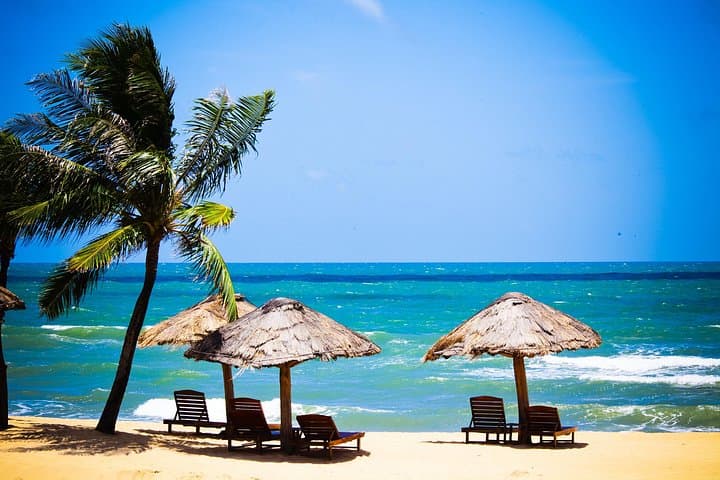
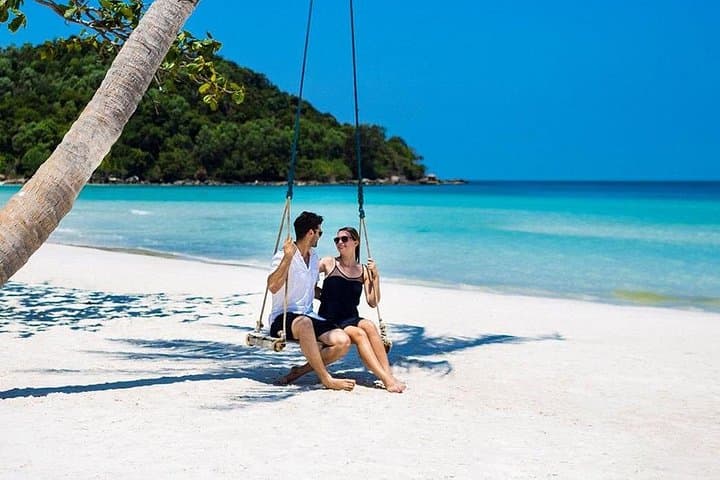
A humid sea breeze carries the scent of pepper and fermenting anchovies as a driver pulls away from Duong Dong and the island opens up. Morning light finds the group at a working fish-sauce yard where rows of wooden vats steam under the sun; later, low forest in Phu Quoc National Park cools the walk, and the Cua Can River pushes the tour toward mangrove-edged quiet. By afternoon, Ganh Dau’s headland frames a view across blue to Cambodia and Dai Beach invites a slow swim.
A humid sea breeze carries the scent of pepper and fermenting anchovies as a driver pulls away from Duong Dong and the island opens up. Morning light finds the group at a working fish-sauce yard where rows of wooden vats steam under the sun; later, low forest in Phu Quoc National Park cools the walk, and the Cua Can River pushes the tour toward mangrove-edged quiet. By afternoon, Ganh Dau’s headland frames a view across blue to Cambodia and Dai Beach invites a slow swim.
Phu Quoc’s human story is agricultural and maritime: fish sauce and pepper have underpinned island livelihoods for generations, while sim (rose myrtle) wine reflects local uses of native fruit. Geologically the island rises from the Gulf of Thailand with old igneous and sedimentary rock forming low mountains and sheltered coves; the national park conserves evergreen and lowland rainforest that feeds small rivers like Cua Can. Cultural markers—farm rows, small factories, and fishing hamlets—sit close to protected forest, so visitors see production and preservation in one day.
Practical guidance: expect a 7‑hour outing with easy walking on shaded trails and short boat or kayak time on calm water. Wear grippy walking shoes that dry quickly, bring reef‑safe sunscreen, insect repellent, and a dry bag for phones. Start early to avoid midday heat, carry water, and pick guided tours that include boat safety briefings. The route is accessible for most fitness levels but not recommended for those with serious back or heart conditions; seasonal rains can make forest paths slippery, so check local weather before booking.