THE ADVENTURE COLLECTIVE® · Independent discovery and booking for outdoor travel

Spend a morning exploring Phu Quoc’s quieter north: mangrove channels, pepper farms, Ganh Dau’s empty beaches and a working bee farm. This accessible half-day tour mixes gentle river paddling, cultural stops and a riverside lunch.
Spend a morning exploring Phu Quoc’s quieter north: mangrove channels, pepper farms, Ganh Dau’s empty beaches and a working bee farm. This accessible half-day tour mixes gentle river paddling, cultural stops and a riverside lunch.
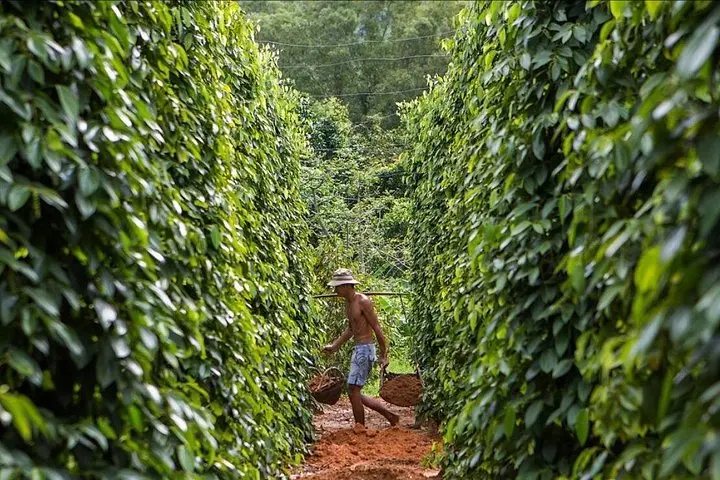
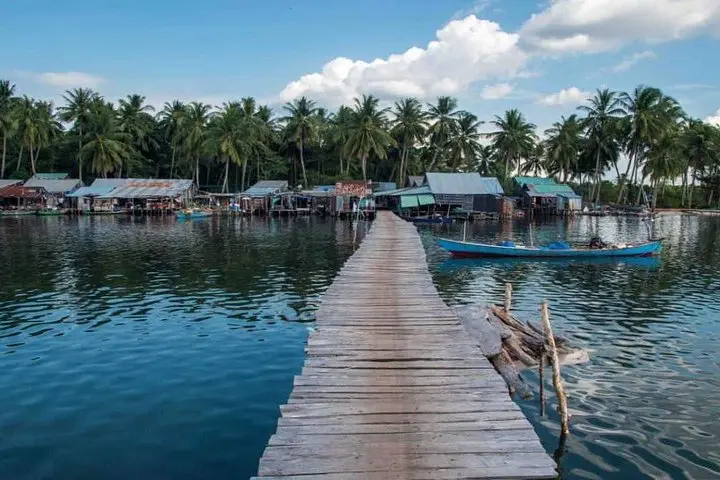
The boat slips out of Duong Dong's lull and the Cua Can River narrows until a green tunnel closes over the hull — mangrove roots like fingers, birds calling from the high canopy. Within a few minutes the island's quieter northern edges unfold: pepper farms, a temple honoring a local resistance hero, sun-dusted beaches at Ganh Dau and a small bee farm that hums with activity.
Verified experiences and guided adventures in the surrounding area.
Operated by Indochina Unique Tourist · Duong Dong, Kien Giang
The boat slips out of Duong Dong's lull and the Cua Can River narrows until a green tunnel closes over the hull — mangrove roots like fingers, birds calling from the high canopy. Within a few minutes the island's quieter northern edges unfold: pepper farms, a temple honoring a local resistance hero, sun-dusted beaches at Ganh Dau and a small bee farm that hums with activity.
Geologically Phu Quoc is limestone and coral ridges pushed up from the Gulf of Thailand; the north coast drops to rocky headlands while the island’s interior holds freshwater streams that feed the Cua Can estuary. Nguyen Trung Truc Temple marks a local chapter of 19th-century Vietnamese resistance; nearby pepper plots reflect an agricultural tradition that still shapes island life. The bee farm introduces practical conservation — local apiaries support pollinators critical to both wild and cultivated plants.
Practically speaking this half-day loop mixes short guided walks, photo stops and a river cruise with optional self-guided kayaking in sheltered channels. Expect flat to gently uneven terrain, shaded river paddling, and exposed coastal viewpoints with sun and wind. Bring reef-safe sunscreen, a hat, insect repellent and a light dry bag for phones.
Timing matters: mornings are cooler and birdlife is active; tide and weather can change river access. Guides typically provide lunch on the riverbank and pickup from Duong Dong accommodations. This is an accessible, low-impact way to sample Phu Quoc’s coastal ecology, rural culture and small-scale conservation in a single morning.
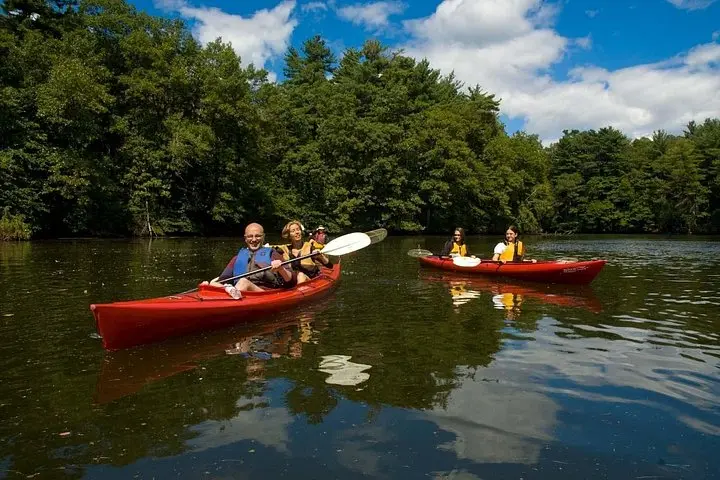
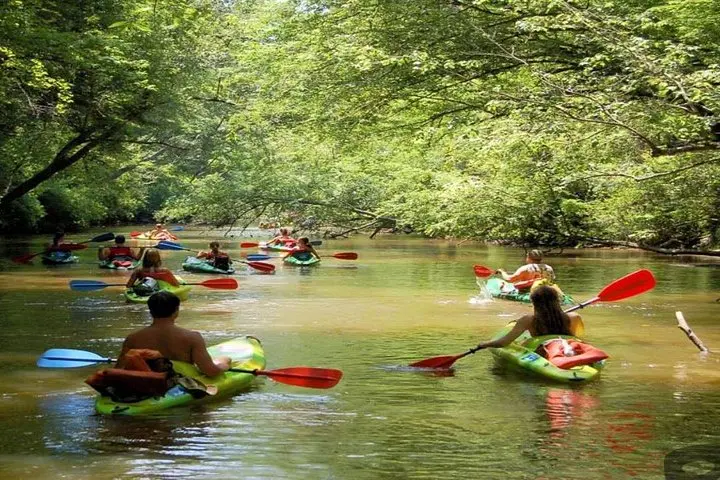
Kayaking on the Cua Can River is optional and typically an extra expense; guides can provide details and basic instruction.
Yes—pickup and drop-off from Duong Dong accommodations are included; outlying pickup points may incur a surcharge.
The tour is family-friendly; infants must sit on an adult’s lap and minimum booking requirements apply.
The tour runs about six hours and includes a riverside lunch with local dishes and drinks as described by the operator.
Indochina Unique Tourist operates guided outdoor trips and adventures with an emphasis on safety, stewardship, and memorable experiences.
The boat slips out of Duong Dong's lull and the Cua Can River narrows until a green tunnel closes over the hull — mangrove roots like fingers, birds calling from the high canopy. Within a few minutes the island's quieter northern edges unfold: pepper farms, a temple honoring a local resistance hero, sun-dusted beaches at Ganh Dau and a small bee farm that hums with activity.
The boat slips out of Duong Dong's lull and the Cua Can River narrows until a green tunnel closes over the hull — mangrove roots like fingers, birds calling from the high canopy. Within a few minutes the island's quieter northern edges unfold: pepper farms, a temple honoring a local resistance hero, sun-dusted beaches at Ganh Dau and a small bee farm that hums with activity.
Geologically Phu Quoc is limestone and coral ridges pushed up from the Gulf of Thailand; the north coast drops to rocky headlands while the island’s interior holds freshwater streams that feed the Cua Can estuary. Nguyen Trung Truc Temple marks a local chapter of 19th-century Vietnamese resistance; nearby pepper plots reflect an agricultural tradition that still shapes island life. The bee farm introduces practical conservation — local apiaries support pollinators critical to both wild and cultivated plants.
Practically speaking this half-day loop mixes short guided walks, photo stops and a river cruise with optional self-guided kayaking in sheltered channels. Expect flat to gently uneven terrain, shaded river paddling, and exposed coastal viewpoints with sun and wind. Bring reef-safe sunscreen, a hat, insect repellent and a light dry bag for phones.
Timing matters: mornings are cooler and birdlife is active; tide and weather can change river access. Guides typically provide lunch on the riverbank and pickup from Duong Dong accommodations. This is an accessible, low-impact way to sample Phu Quoc’s coastal ecology, rural culture and small-scale conservation in a single morning.